Loading Jobs...

Blog

Christmas is around the corner, which means that most of us soon will be indulging on too many mince pies and too many Baileys. While that sounds like most of our ideas of heaven, if drawn out over the whole month of December – or “the Festive” season – our bodies can begin to struggle to cope with the calories and units of alcohol consumed.

Last year, The Drinks Business predicted that in Christmas 2018 the average Briton would consume an average of 26 units per day, with the nation collectively expected to drink almost six billions units of alcohol between Christmas Eve and New Year’s Day that year.

They explained that that equated to “an average of 156 units each over the course of six days – nearly 10 times more than the average 16 units consumed on a regular night out.” They said that overall, the great British public were expected to consume as much as 5.7bn units of alcohol over that festive break.

So if that was last year, what’s in store for Christmas 2019? A lot more alcohol…probably.

If we are braced and ready for a lot of binge drinking shortly, what measures can we take to ensure we stay safe and healthy this Christmas, and how much exactly should we be drinking at this time of year?

Just because it’s Christmas doesn’t mean the risk to the body when consuming alcohol is any different. When drinking alcohol in vast quantities, this can have some devastating effects both in the short and long term.

Appropriately for Christmas time, The NHS explains that “binge drinking usually refers to drinking lots of alcohol in a short space of time or drinking to get drunk”. In the UK, the NHS adds that binge drinking is drinking more than 8 units of alcohol in a single session for men and 6 units of alcohol in a single session for women. “Six units is 2 pints of 5% strength beer or 2 large (250ml) glasses of 12% wine, for example. However, this is not an exact definition for binge drinking that applies to everyone, as tolerance to alcohol can vary from person to person.”

The NHS adds that “drinking too much, too quickly on a single occasion can increase your risk of accidents resulting in injury, causing death in some cases, misjudging risky situations and losing self-control, like having unprotected sex”.

Drink Aware says that getting drunk can affect both your physical and mental health. “In extreme cases, you could die. Overdosing on alcohol can stop you breathing or stop your heart, or you could choke on your vomit. Binge drinking can affect your mood and your memory and, in the longer term, can lead to serious mental health problems.” According to NI Direct, if you’re hungover you can feel anxious and low. “Some people may feel down over Christmas and drinking can make this worse.”

The Healthline explains that binge drinking can also negatively affect your heart, kidneys, lungs and pancreas. If you’re only drinking over Christmas, you don’t need to worry about this too much, but it’s worth knowing that the long-term effects of consistent binge drinking are more likely to lead to long-term damage. Their website says that “one recent study by researchers at the University of California at San Francisco found that 21 binge drinking sessions over seven weeks was enough to cause symptoms of early-stage liver disease in mice.”

The answer to the question “how much should you drink over Christmas” isn’t that straight forward. Sure we can look at the NHS’s recommendations for how many units to consume, but that isn’t realistic. Most of us overindulge over Christmas, and once a year that is fine to do and should be enjoyed.

If you’re concerned about the excess, here are a couple of tips to help make sure this indulgence is as safe and healthy as can be.

In a Q&A with Alcohol Change UK’s Director for Wales, published on their website, they suggest that over Christmas “it may be wise to lay off the booze until later in the day. Think about how you’re feeling and whether you want a pause, and don’t let people top you up just because they’re drinking.

“Taking some time off can also help remind you that you don’t need alcohol to have fun, and give you some practice saying no, which will come in handy when you don’t fancy a drink in future.”

The NHS advise that if you want to reduce your health risks when drinking, drink more slowly, drink with food, alternate with water or non-alcoholic drinks and plan ahead to avoid problems, such as making sure you can get home safely or having people you trust with you.

Drink aware say that if you’re worried about your long-term drinking habits beyond Christmas, contact your GP. They will be able to suggest ways to help you cut down your drinking, and can also refer you for counselling or support services. You can also call Drinkline, the national alcohol helpline, on 0300 123 1110. It’s free and confidential.

Christmas is an incredibly exciting time for most; especially if you have young children (or are one). However, having to spend Christmas alone – whether you’ve been widowed or estranged from your family – can be very difficult.

According to the Campaign to End Loneliness, loneliness can even impact your physical health, as it increases the likelihood of mortality by 26%. The effect of loneliness and isolation on mortality is comparable to the impact of well-known risk factors such as obesity, and has a similar influence as cigarette smoking. Loneliness is also associated with an increased risk of developing coronary heart disease and stroke and can increase the risk of high blood pressure.

Loneliness can also affect your mental health, as it puts individuals at greater risk of cognitive decline. Lonely people have a 64% increased chance of developing clinical dementia and are more prone to depression.

In 2016, the mental health charity Mind found that one in 10 people aged between 25 and 34 admitted they didn’t have anyone to spend Christmas with, compared with just one in 20 older people.

Research from Age UK showed that nearly a million (928,000) older people unsurprisingly feel lonelier at Christmas time and almost 1.4 million older people surveyed by Age UK admitted that Christmas isn’t a special day for them and just passes them by.

“The charity estimates that getting on towards a million (873,000) people aged 65 and over don’t see or hear from someone for days on end over the festive period. And at Christmas time, on days when older people do not see or hear from anyone, over half (55%) rely on the TV for companionship.”

If you are concerned about lonely older people during the festive period, there are things you can do to help. The Independent suggests getting in touch with Contact the Elderly, who run monthly tea parties during which groups of people over the age of 75 come together to socialise.

“You can also reach out and befriend older people by working with organisations such as Friends of the Elderly. The website offers a variety of opportunities, including the chance to become a Visiting Friends volunteer.”

Another way to help a lonely older person is with a phone conversation. At Independent Age, volunteers spend around 20 to 30 minutes a week speaking on the phone with older people who may not otherwise have many opportunities to engage in conversation with others. The charity explains that talking with an older person regularly on the phone can “empower them, improve their wellbeing and help build their self-esteem.”

The role involves talking on the phone on a weekly or fortnightly basis, ideally for a minimum period of 12 months.

If you are reading this as the person worried about spending Christmas alone – whatever age you are – here are a few ideas for how you could spend your Christmas Day to stave off feeling low.

1. Very Well Mind suggests hosting an Online Christmas

“Do you have online friends? Do you have long-distance relatives? Host an online Christmas by setting up a Skype chatroom or Facebook group. People can drop in and out as they please, and you don’t have to cook, clean, or even get off the sofa.

“As an added bonus, you’ll have a chance to practice your social skills as you welcome new people to the group and catch up with old friends.”

2. Why not volunteer?

Very Well Mind adds that one way to gain a better appreciation for the good things in your life is to get involved in volunteering. “Volunteering during the holidays is a way to connect with others, boost your self-esteem, and bring joy to people who are less fortunate. Consider offering to help serve dinner at a soup kitchen, bring gifts to a children’s hospital, or visit lonely residents at a nursing home.

“If you feel nervous about doing these social activities, all the better; it’s a chance to test your boundaries and expand your social skills. In fact, research shows that practising kindness may reduce your tendency to avoid social situations.”

3. Take part in a group run

The Guardian suggests taking part in a Christmas Day race as a way to feel connected to others. “Parkruns take place in parks across the UK, with most starting at 9 am. After this, all you’ll need to think about is recovering.”

Alternatively, if running isn’t your thing, you could scope out the local country walks nearby and see who you could bump into on the way. Plus physical activity is great for endorphins and clearing your head.

4. Eat out

The Guardian adds that “Christmas Day is a great time to visit and eat at restaurants in Chinatown, and areas with large Bangladeshi, Indian, Turkish and Vietnamese communities. Rebel against traditional Christmas turkey and eat a Turkish lahmacun.”

Don’t forget to book in advance though!

5. Use this opportunity to do whatever you want

This is potentially the one day a year where you can do whatever you want undisturbed. Treat yourself to whatever you enjoy most, whether that’s listening to music, having a bath or people watching. The world is your oyster!

6. Be brave, tell someone

If you can’t stomach the thought of being alone on Christmas Day, tell someone. Contact a friend and ask if they wouldn’t mind accommodating you for a meal. There is no shame in reaching out for help. Perhaps you could contact someone else who you know might be lonely this time of year too to see if they’d like some company too.

Talk of politics and heated discussions about Brexit have been consuming the lives of everyone living in the UK over the past year (or more), and things appear to be changing from an anxious simmer about the uncertain future of our country to a fiery boil, as we approach a general election on Thursday 12th December. No one seems to know what is going on or what the best for the fate of the UK is, yet thanks to democracy anyone aged 18 or over who is a British, Irish or EU citizen is eligible to vote, but you have to register. This of course includes those living with disabilities.

Sadly people with disabilities are still face problems when it comes to voting, as they aren’t always aware of their voting rights. The Disability Discrimination Act of 1995 made it illegal to discriminate in respect to employment, services, education and transport based on someone’s disability. Many do not have the confidence to go and register to vote, while others face issues when they go to a polling stations. Mobility issues can make accessing polling stations in person difficult while learning disabilities can make it all the more difficult to understand the voting process.

Mencap say that “learning disability issues are regularly discussed by members of the main political parties. In the last six years, learning disability has been mentioned in debates or official letters from MPs over 1,200 times. That is over three times a week.” Over 150 MPs supported Mencap’s last campaign to encourage people with a learning disability to vote. In 2010, almost 1 in 3 people with a learning disability voted, which is progress.

The first step for a disabled voter is to register to vote. Enable Magazine explains that you can register to vote online by yourself or with the help of a trusted carer or loved one. You will be asked where you live, when you were born, your name, address and contact information.

On voting day, our government has a responsibility to ensure all polling stations have a polling booth adapted for wheelchair users and that there is large print versions of ballot papers are available in every polling station, along with aids to enable blind voters to mark their ballot papers without help.

According to the Electoral Commission: “Local authorities now have to take proactive steps to ensure that polling stations don’t disadvantage disabled people. All voters have a right to vote independently and in secret. A person who is registered to vote or who has been officially appointed as a proxy voter cannot be refused a ballot paper or the opportunity to vote on the grounds of mental or physical incapacity.

“Polling station staff must ensure that disabled voters are not offered a lower standard of service than other voters and should be able to explain what assistance is available to disabled voters wishing to vote in person at a polling station.”

Disabled voters are also entitled to the right to request assistance to mark the ballot paper., and this can be done through the Presiding Officer. Alternatively, they can bring someone with them to help them vote; providing they themselves are eligible to vote. If an elector is unable to enter the polling station because of physical disability, the Presiding Officer may take the ballot paper to the elector. If you have any problems on election day, you should call your local authority to try to resolve this.

It’s well worth knowing that if you don’t want to go to the polling station to vote – because you find it difficult going out and about or have a disability that makes this impossible – voters with a disability can have a permanent proxy vote. Voting by proxy means choosing someone else to vote for you. All you need to do is fill in a new form to choose who will vote for you. This person can visit a polling station or apply for a postal vote in order to vote on your behalf.

There is also the option for you to vote by post. You will be sent a form similar to the registration form when voting by post and you should fill out the postal vote application and send it to your local electoral services team. Before elections, you will receive a ballot paper in the post. It will tell you where and when to post it.

If you’d like more information about accessibility to voting, you can call the Electoral Commission on 0333 103 1928 or the Welsh language line on 0333 103 1929 for further guidance.

A few years ago you might not have even heard of what a vegan diet was, but nowadays veganism is infiltrating our news, social media feeds and shopping aisles daily. You might’ve even considered a vegan diet yourself for its supposed positive health, ethical and environmental benefits.

Although it is easier than ever to go vegan – with more access to vegan products and an internet full of tips and recipe ideas than ever before – there are some people who might struggle with the transition of going vegan, and these are those with eating disorders, those with autism, the malnourished and older populations; to name a handful.

Older populations sometimes struggle with getting out to the shops to buy ingredients and also with cooking for themselves, which might make it difficult to go vegan for them. There is also the problem of malnutrition within older populations and the risks of osteoporosis, which we know dairy products can help protect against thanks to the calcium in them.

That isn’t to say that all older people cannot attempt to go vegan, however, should they want to. A report commissioned by The Telegraph showed that more over-60s than ever before are ditching meat and dairy to go vegan. In fact, a new documentary on Netflix called The Gamechangers interviewed Arnold Schwarzenegger, who at 72 has now adopted a new plant based diet. Previous research from The Vegan Society in 2016 found that close to half of all vegans (42%) were in the 15-34 age category and only 14% were aged 65 and over, but that seems to be shifting slowly.

Older people might consider going vegan to improve their health, as age is well known to make it deteriorate. An article published on Livestrong said that “on average, vegetarians of consume less saturated fat, salt, protein and overall fewer calories than those who eat meat, and according to the American Heart Association, the plant-based diet is generally healthier, regardless of age. Vegetarians not only pile more fibre and fresh vegetables on their plates, but also have a lower incidence of diabetes, obesity, heart disease and high blood pressure—conditions that often plague older people.”

If you are considering going vegan as an older person, the NHS have some healthy eating guidelines which may be helpful.

For a healthy vegan diet, they suggest:

• Eating at least 5 portions of a variety of fruit and vegetables every day
• Basing meals on potatoes, bread, rice, pasta or other starchy carbohydrates (choose wholegrain where possible)
• Having some dairy alternatives, such as soya drinks and yoghurts (choose lower fat and lower sugar options)
• Eating some beans, pulses and other proteins
• Choosing unsaturated oils and spreads, and eat in small amounts
• Drinking plenty of fluids (the government recommends 6 to 8 cups or glasses a day)

If you do not plan your diet properly, you could miss out on essential nutrients, such as calcium, iron and vitamin B12.

The NHS goes on to say that good sources of calcium for vegans include:

• green, leafy vegetables – such as broccoli, cabbage and okra, but not spinach
• fortified unsweetened soya, rice and oat drinks
• calcium-set tofu
• sesame seeds and tahini
• pulses
• brown and white bread (in the UK, calcium is added to white and brown flour by law)
• dried fruit, such as raisins, prunes, figs and dried apricots

A vegan diet can be high in iron, according to the NHS, although iron from plant-based food is absorbed by the body less well than iron from meat.

Good sources of iron for vegans are:

• pulses
• wholemeal bread and flour
• breakfast cereals fortified with iron
• dark green, leafy vegetables, such as watercress, broccoli and spring greens
• nuts
• dried fruits, such as apricots, prunes and figs

The NHS adds that the body needs vitamin B12 to maintain healthy blood and a healthy nervous system. “It’s only found naturally in foods from animal sources. Sources for vegans are therefore limited and a vitamin B12 supplement may be needed.”

Sources of vitamin B12 for vegans include:

• breakfast cereals fortified with B12
• unsweetened soya drinks fortified with vitamin B12
• yeast extract, such as Marmite, which is fortified with vitamin B12

If you are thinking of changing your diet, it’s important to consult a doctor or medical professional first to see if you are suitable for a vegan diet, especially if you are over 60.

We all know what cancer is, and the unfortunate likelihood is that we all probably know someone who has been touched by cancer. But with the enormous amount of different variations of cancer, it can be overwhelming to know how to show your support or even spot the signs of the each individual strain of the disease. The important thing is to start somewhere and with education, and a good place to start could be this November with Pancreatic Cancer Awareness Month.

The month of November is dedicated to pancreatic awareness, having evolved from a Pancreatic Cancer Awareness Week originating in the United States. Now the awareness month spreads worldwide, and brings together different charities and individuals who want to make a difference.

According to pancreatic.org, pancreatic cancer is the “third leading cause of cancer-related death in the United States surpassing breast cancer and it is expected to become the 2nd by 2020, surpassing colon cancer. Every day more than 1,250 people worldwide will be diagnosed with pancreatic cancer. In nearly every country, pancreatic cancer is the only major cancer with a single-digit five-year survival rate of 9%. While death rates decline for other cancers, they are increasing for pancreatic cancer. Survival rates have not improved substantially for the past 40 years.”

So what exactly is pancreatic cancer?

Webmd explains that pancreatic cancer is a disease in which malignant (cancerous) cells form in the tissues of the pancreas. “The pancreas is a gland located behind the stomach and in front of the spine. The pancreas produces digestive juices and hormones that regulate blood sugar. Cells called exocrine pancreas cells produce the digestive juices, while cells called endocrine pancreas cells produce the hormones. The majority of pancreatic cancers start in the exocrine cells.”

Symptoms of pancreatic cancer can include jaundice, pain in the upper or middle abdomen and back, unexplained weight loss, loss of appetite, fatigue and/or depression. Your risk of developing pancreatic cancer can increase with smoking, chronic pancreatitis, inherited conditions, familial pancreatic cancer syndromes, long-standing diabetes and obesity.

The NHS says that in about 1 in 10 cases, pancreatic cancer is inherited. “Certain genes also increase your chances of getting pancreatitis, which in turn increases your risk of developing cancer of the pancreas. If you have two or more close relatives who have had pancreatic cancer or you have an inherited disease, such as Lynch or Peutz-Jeghers syndrome, your doctor may recommend regular check-ups as you may be at increased risk of pancreatic cancer.”

How can you get a diagnosis for pancreatic cancer?

The NHS further adds that your GP should be your first port of call, so if you are experiencing any symptoms that have you worried, it’s advisable to book an appointment. Your GP will first ask about your general health and carry out a physical examination. They may examine your stomach for lumps and to see whether your liver is enlarged. They’ll also check your skin and eyes for signs of jaundice and may request a sample of your urine and a blood test. If your GP suspects pancreatic cancer, you’ll usually be referred to a specialist at a hospital for further investigation.

How is pancreatic cancer treated?

Sadly this type of cancer is difficult to treat as because it rarely causes symptoms early on, meaning it’s often not detected early enough.

The NHS explains that if you have been diagnosed with pancreatic cancer, your treatment will depend on the type and location of your cancer and how far it’s advanced, also known as its stage. The three main treatments for pancreatic cancer are surgery, chemotherapy and radiotherapy.

How can you show your support during Pancreatic Cancer Awareness Month?

Pancreatic cancer is daunting, but there are things you can do to show your support and make a difference during the month of November. Your support can help fund vital research, provide specialist support and campaign for change.

Pancreaticcancer.org suggest that you could try doing their ‘Challenge 24’. They explain that in the UK, 24 people die from pancreatic cancer every day. “You can help change this shocking statistic by taking on Challenge 24 this November. Walk, run or ride 24 miles in November for a day, a week or a month.”

Another idea for supporting Pancreatic Cancer Awareness Month is to bring your friends and family together for a Bake Off and raise money for a good cause. Actually, you can support Pancreatic Cancer Awareness Month in any way you can think of. Every penny really does count and your support will make a difference and save lives, so be creative, host a karaoke party or even have a bingo night.

Lastly, during Pancreatic Cancer Awareness Month you could go to the extreme of shaving, dyeing or waxing your hair or even dressing purple (less extreme) as a way to raise vital awareness of pancreatic cancer. Even the smallest of gestures can go a long way to improving the lives of those with pancreatic cancer.

If our eyesight is bad, we as a nation have no problem going to the opticians to get glasses – in fact, glasses can be quite the fashion statement. However, the doesn’t seem to be true for hearing aids, and the reason could be that hearing loss is mostly associated with the ageing process. According to Action on Hearing Loss, there are 11 million people with hearing loss across the UK, which is around one in six of us.

It isn’t just the elderly who suffer with hearing loss, as there are around 50,000 children with hearing loss in the UK. Around half are born with hearing loss while the other half lose their hearing during childhood. On the flip side, more than 40% of people over 50 years old have hearing loss, which rises to 71% of people over the age of 70 and around one in 10 UK adults has tinnitus.

If you are worried about your hearing, the NHS describes some early signs to look out for. These include difficulty hearing other people clearly and misunderstanding what they say, especially in noisy places, asking people to repeat themselves, listening to music or watching TV with the volume higher than other people need, difficulty hearing on the phone, finding it hard to keep up with a conversation and feeling tired or stressed from having to concentrate while listening.

If you have identified yourself as someone who struggles with hearing, you should go and visit a specialist known as an audiologist who may suggest you would benefit from wearing a hearing aid. According to Hearing Aid Know, there are three main hearing aid types. These include:

• BTE Hearing Aids: These devices are worn with the hearing aid on top of and behind the ear. All of the parts are in the case at the back of the ear, and they are joined to the ear canal with a sound tube and a custom mould or tip.
• ITE Hearing Aids: These are custom-made devices and all of the electronics sit in a device that fits in your ear, they come in many sizes including CIC (completely in Canal) and IIC (Invisible in Canal).
• RIC RITE Hearing Aids: These devices are similar in concept to BTE hearing aids, with the exception that the receiver (the speaker) has been removed from the case that sits at the back of the ear. It is fitted in your ear canal or ear and connected to the case of the hearing aid with a thin wire.

Here are some interesting facts you might not have known about hearing aids before today:

1. The website hearingaids.com say that hearing aids “can memorise settings for multiple listening environments and can recalibrate—sometimes automatically—depending on sound input received from your surroundings.” This put simply means that hearing aids can remember different settings and programme themselves to adapt to them; just like a human ear.
2. The website also adds that many hearing aids can sync with wireless devices by using Bluetooth, enabling you to receive direct auditory signals from your smartphone, television, and more. Apple have also recently partnered with major hearing aid manufacturers to develop a Made for iPhone app that streams audio to your hearing aids directly from any iOS device. Pretty cool, huh?
3. According to hear.com you can hear in all directions with hearing aids. “Hearing aids are built with directional microphones to detect all ambient noises and automatically filter them for important sounds. Therefore, you can understand your conversation partner well in noisy scenes – whether he is sitting next to you in the car or in a busy cafe.”
4. You probably did not notice, but hear.com adds that “many celebrities wear hearing aids, such as U2 frontman Bono, Eric Clapton and Phil Collins. Also, Oscar prizewinners Christoph Waltz, Robert Redford and Jodie Foster as well as fashion designer Wolfgang Joop wear hearing aids.”
5. Hearing aids can help to reduce the symptoms of tinnitus, according to 121captions.com. “Some hearing aids provide a kind of ‘masking’ effect for tinnitus, allowing you to hear sounds more naturally.”
6. Lastly, 121captions.com recommend that you shouldn’t buy hearing aids online, as they have to be programmed by a certified audiologist or hearing specialist. “Follow-up visits are just as important to ensure your hearing aids are adjusted properly and working optimally.” Don’t cut corners when it comes to your hearing and your health!

Thankfully, depression is a mental illness that is becoming more easily talked about, with more and more celebrities – from Stephen Fry to Stormzy – coming forward to admit that they have struggled with it. This open conversation is allowing more and more people the confidence to seek help and better manage their depression.

If you’re unsure about what depression is, the Mental Health Foundation describes it as “a common mental disorder that causes people to experience depressed mood, loss of interest or pleasure, feelings of guilt or low self-worth, disturbed sleep or appetite, low energy, and poor concentration”.

Their website adds that depression is the predominant mental health problem worldwide, followed by anxiety, schizophrenia and bipolar disorder, and in 2014 19.7% of people in the UK aged 16 and over showed symptoms of anxiety or depression – a 1.5% increase from 2013. This percentage was higher among females (22.5%) than males (16.8%).

So how can you tell if you have depression? Most of us get sad or lonely from time to time, but it’s when these feelings begin to rule your life and cause physical as well as psychological symptoms that last for long periods of time that this could be classed as depression. It is at this point where it could be worth getting some help; it could even save your life.

Web MD say that recognising the symptoms of depression is key to tackling it. They say that “unfortunately, about half the people who have depression never get it diagnosed or treated.”

According to their website, symptoms of depression can include:

• Trouble concentrating, remembering details, and making decisions
• Fatigue
• Feelings of guilt, worthlessness, and helplessness
• Pessimism and hopelessness
• Insomnia, early-morning wakefulness, or sleeping too much
• Irritability
• Restlessness
• Loss of interest in things once pleasurable, including sex
• Overeating, or appetite loss
• Aches, pains, headaches, or cramps that won’t go away
• Digestive problems that don’t get better, even with treatment
• Persistent sad, anxious, or “empty” feelings
• Suicidal thoughts or attempts (1 in every 10 people with depression result to this)

If you’ve acknowledged you might have depression, a good place to start is with a visit to your GP in order to get a medical diagnosis and some professional help. Your GP can recommend treatments for depression including psychological therapies like CBT or counselling, or antidepressants. Additionally, the NHS have some extra tips that could help you deal with your depression:

1. Socialising can improve your mood and keeping in touch with friends and family means you’ll have someone to talk to when you feel low.
2. Take up some form of exercise. There’s evidence that exercise can help lift your mood. If you haven’t exercised for a while, start gently by walking for 20 minutes every day.
3. Don’t avoid the things you find difficult. When people feel low or anxious, they sometimes avoid talking to other people. Some people can lose their confidence in going out, driving or travelling. If this starts to happen, facing up to these situations will help them become easier.
4. Don’t drink too much alcohol. For some people, alcohol can become a problem. You may drink more than usual as a way of coping with or hiding your emotions, or just to fill time. But alcohol won’t help you solve your problems and could also make you feel more depressed.
5. Try to eat a healthy diet. Some people don’t feel like eating when they’re depressed and are at risk of becoming underweight. Others find comfort in food and can put on excess weight. Antidepressants can also affect your appetite, so if you’re concerned about weight loss, weight gain or how antidepressants are affecting your appetite, talk to your GP.
6. Have a routine. When people feel down, they can get into poor sleep patterns, staying up late and sleeping during the day. Try to get up at your normal time and stick to your routine as much as possible. Not having a routine can affect your eating. Try to carry on cooking and eating regular meals.
7. If you start to feel that your life isn’t worth living or about harming yourself, get help straight away. You can contact Samaritans on 116 123 for 24-hour confidential, non-judgemental emotional support. You could call your GP and ask for an emergency appointment or you could call 111 out of hours – they will help you find the support and help you need.

You hear a lot about scams on the news and through everyday conversations. About how older and often more vulnerable people are targeted in particular. There are some cases where people have lost their life savings to what they have thought were worthy, legal and just causes only to find out that they have been deceived and that the money they had worked so hard for is no longer around to pay for their retirement.

According to a BBC investigation back in 2018, fraudsters scammed nearly 49,000 older people across the UK. However, the true number of elderly victims is likely to be in the millions.

It’s a scary thought, especially if you are concerned of a loved one – perhaps a parent – falling into such a trap. But how can you spot the signs of a scam?

Age UK define scams to be a way of cheating people out of their money. “A scammer may try to approach you on your doorstep, by post, over the phone or online. They’ll often pretend to be someone they’re not, or make misleading offers of services or investments. New digital ways of communicating have led to an increasing number of scams – and more people being tricked by them.”

The Money Advice Service explains that knowing what to be on the lookout for when it comes to scams is one of the best ways to protect yourself.

Here are some ways, according to their website, of how you can recognise a scam:

• If you have received any kind of contact, but particularly a phone call, out of the blue, it is best to avoid it. Since January 2019, there has been a ban on cold calling about pensions. This means you should not be contacted by any company about your pension unless you’ve asked them to.
• If you get an email, expand the pane at the top of the message and see exactly who it has come from. If it is a scam, the email address the message has come from will be filled in with random numbers, or be misspelled.If it sounds too good to be true, it usually is.
• Personal details, PIN codes and passwords. These are things no legitimate company will ask you for.
• If you are pushed into making a decision on the spot, be suspicious. Scammers don’t want you to have time to think about it.
• Random competitions, particularly if you don’t remember entering them, should ring alarm bells.

But what happens if you’ve already fallen victim to a scam? If you’ve already given money to a scam, you shouldn’t feel embarrassed. Scammers are usually very good at what they do and can sound very convincing.

Age UK say that the first thing you should do is get in touch with your bank so they can cancel any cards or freeze your account. Then contact Action Fraud (0300 123 2040). The information you provide could help authorities track down the scammer, making them pay for their crime and protecting others. You might even get some money back.

“If you paid for something by credit card in a transaction that turns out to be fraudulent, your card provider may offer protection. If you have household insurance, your policy may also provide cover in some circumstances. If the scammer is traced, it may be possible to prosecute them and recover your money.”

If you are concerned that someone you know is being, or has been, targeted by scammers, Independent Age suggest you should try to speak to them about it. “It’s not uncommon for people to feel ashamed or embarrassed if they have fallen victim to a scam, so reassure them that this isn’t their fault and that scammers use devious tactics anyone could be taken in by.”

They add that whether or not the person wants to report a scam, they could talk to Victim Support (0808 168 9111), a charity providing practical and emotional support to people affected by crime. If you’re concerned that someone you know might be at risk of financial abuse – for example, a person with dementia who you’re caring for – discuss your concerns with your local council’s adult social services department.

Autumn is coming which can only mean one thing. Summer has come to an end. With summer coming to a close there’s no more Ice cream vans to run out too before they drive away, the warms days are becoming no existent and grandparents telling you to get a choc ice out the fridge rather than having an ice cream from the ice cream van. With one door closing another door opens and with winter coming it is the season for big snuggly jumpers, cuddling up on the sofa to watch films about Halloween and Christmas and drinking big cups of hot chocolate.

With Christmas coming Secure Healthcare Solutions have a many opportunities arising. We have vacancies for female domiciliary workers; all we require you to have is a driving License and access to a car. There are opportunities to join our temporary staffing agency, you only need 6 months paid experience within the UK in the past two years and just to us expanding we are recruiting over the West midlands and the South West. Give us a call on 0121 285 9449 and our recruitment team can advise you on the best route for you whether you’re a healthcare assistant, support worker, registered nurses, Allied Healthcare Professionals and NHS candidates. Every little helps and with Christmas fast approaching why not sign up with the agency to help you save up that little extra to put away for Christmas presents.

Our temporary agency employees always go above and beyond to amaze our clients and ourselves with the service they provide on behalf of Secure Healthcare Solutions and the dedication they have towards their work ethos. Our nurse of the month has been an exceptional agency staff member of ours who has excelled in her career as an NHS nurse by working through us. She has had excellent feedback given back from all wards she has worked on and is always positive in any scenario, Congratulations Vashti. The healthcare assistant of the month has been hardworking since he has joined the agency and is always willing to help us urgently as well as with advance bookings; he is a credit to us and a well-respected member of the Secure Healthcare Family. Congratulations Foster.

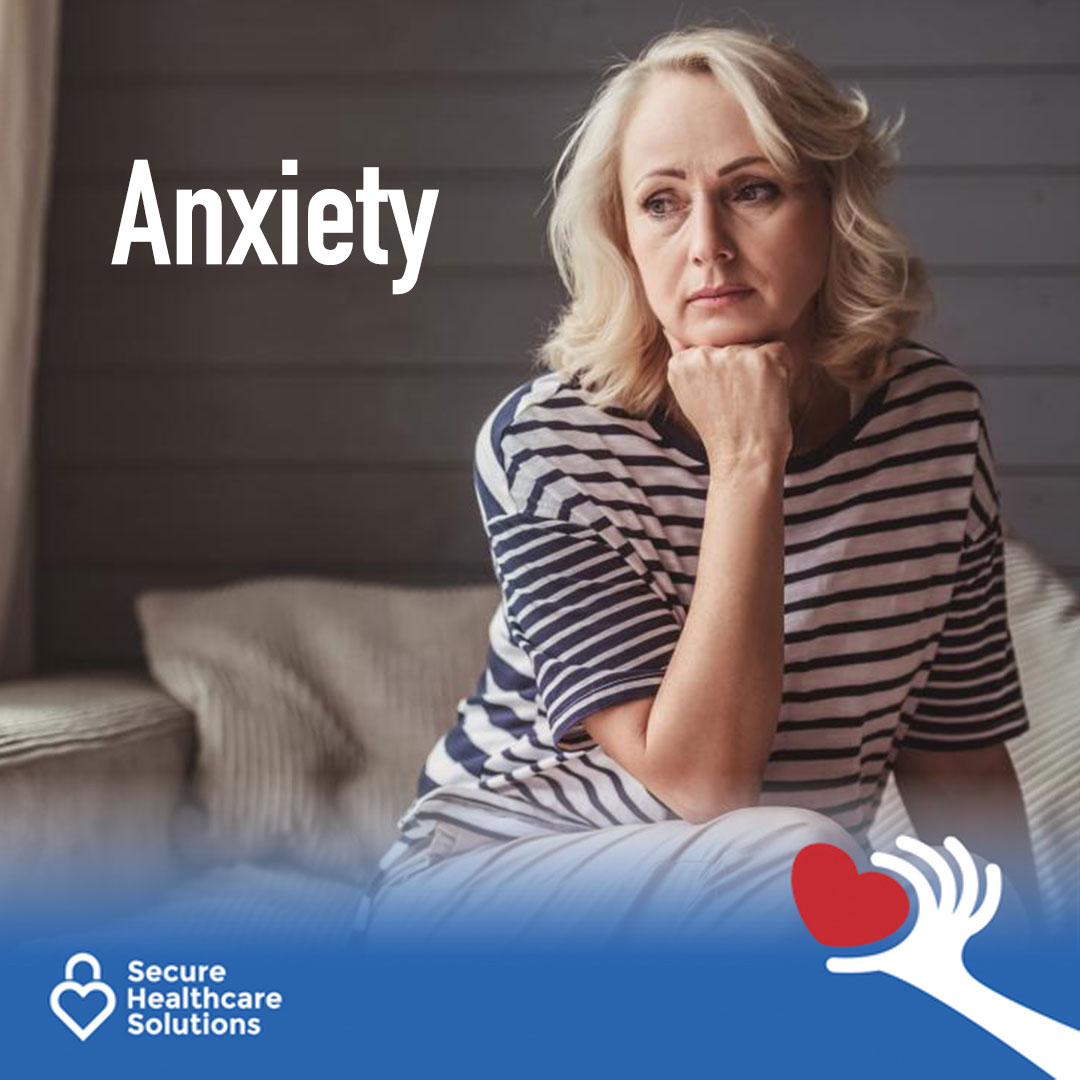
If you yourself do not struggle with anxiety, you’re likely to know someone (or several people) who does. According to the Anxiety and Depression Association of America (ADAA), “anxiety disorders are the most common mental illness in the U.S., affecting 40 million adults in the United States age 18 and older, or 18.1% of the population every year”. Anxiety can affect anyone – from carers, to doctors, to nurses and patients – although women are twice as likely to be affected as men.

It’s difficult to determine whether the number of those affected by anxiety is rising or whether we are all just far more open about talking about it. However, the ADAA also say that researchers have found that using social media obsessively can cause anxiety, depression, attention deficit hyperactivity disorder (ADHD), impulsive disorder, problems with mental functioning, paranoia, and loneliness. With social media use increasing daily across all age groups, this sparks fear for our anxious minds and raises questions about how we will all cope in the future.

So what exactly is anxiety? The NHS website explains that anxiety is a feeling of unease, such as worry or fear, that can be mild or severe. “Everyone has feelings of anxiety at some point in their life. For example, you may feel worried and anxious about sitting an exam, or having a medical test or job interview. During times like these, feeling anxious can be perfectly normal. But some people find it hard to control their worries. Their feelings of anxiety are more constant and can often affect their daily lives.”

It is when feelings of anxiety begin to affect your daily life and begin to cause you distress that you should go to talk to your GP about it and get some professional help. Symptoms for anxiety can include feeling restless or worried, having trouble concentrating or sleeping and dizziness or heart palpitations.

If you are hoping to develop ways to manage anxiety – whether you’ve been to see your GP yet or not – here are some tips that could help you:

1. Talk it out

Mind the Mental Health Charity suggest that talking to someone you trust about what’s making you anxious could be a relief. “It may be that just having someone listen to you and show they care can help in itself. If you aren’t able to open up to someone close to you, the Samaritans and Anxiety UK both run helplines that you can call to talk to someone.”

2. Breathe through it

The NHS advise that if you are feeling anxious, the best thing is not to fight it. “Stay where you are and simply feel the panic without trying to distract yourself. Place the palm of your hand on your stomach and breathe slowly and deeply. The goal is to help the mind get used to coping with panic, which takes the fear of fear away.”

3. Move more

When coping with anxiety, WebMD say that if you’re feeling anxious, you should try exercising. “Exercise is an important part of physical and mental health. It can ease your feelings of anxiety and boost your sense of well-being. Shoot for three to five 30-minute workout sessions a week. Be sure to choose exercises you enjoy so you look forward to them.”

4. Get a good night’s sleep

WebMD also say that if we are feeling anxious we should pay attention to our sleep. “Both quality and quantity are important for good sleep. Doctors recommend an average of 8 hours of shut-eye a night. If anxiety is making it hard for you to fall asleep, create a routine to help.”

5. Cut down on caffeine and alcohol

Another one from WebMD! “Both caffeine, which is an “upper,” and alcohol, which is a “downer,” can make anxiety kick into overdrive. Cut back or avoid them if you can. Remember, coffee and soda aren’t the only things with caffeine.” Watch out also for diet pills, tea, chocolate and some headache medicines.

6. Try to accept your anxious thoughts

The Priory Group suggest that a good way of coping with anxiety is to sit with it. They say that “anxiety, although uncomfortable, is a normal emotion and no matter how much you want to get rid of it, we all feel anxious from time to time. Accepting anxiety, can be just like accepting that sometimes we feel angry, or sometimes we feel sad and sometimes we feel happy, and just like those other emotions, anxiety will pass. However, if your anxiety is long term and affecting your day-to-day life you shouldn’t just accept it in order to feel better, you should seek support.”