Loading Jobs...

Blog

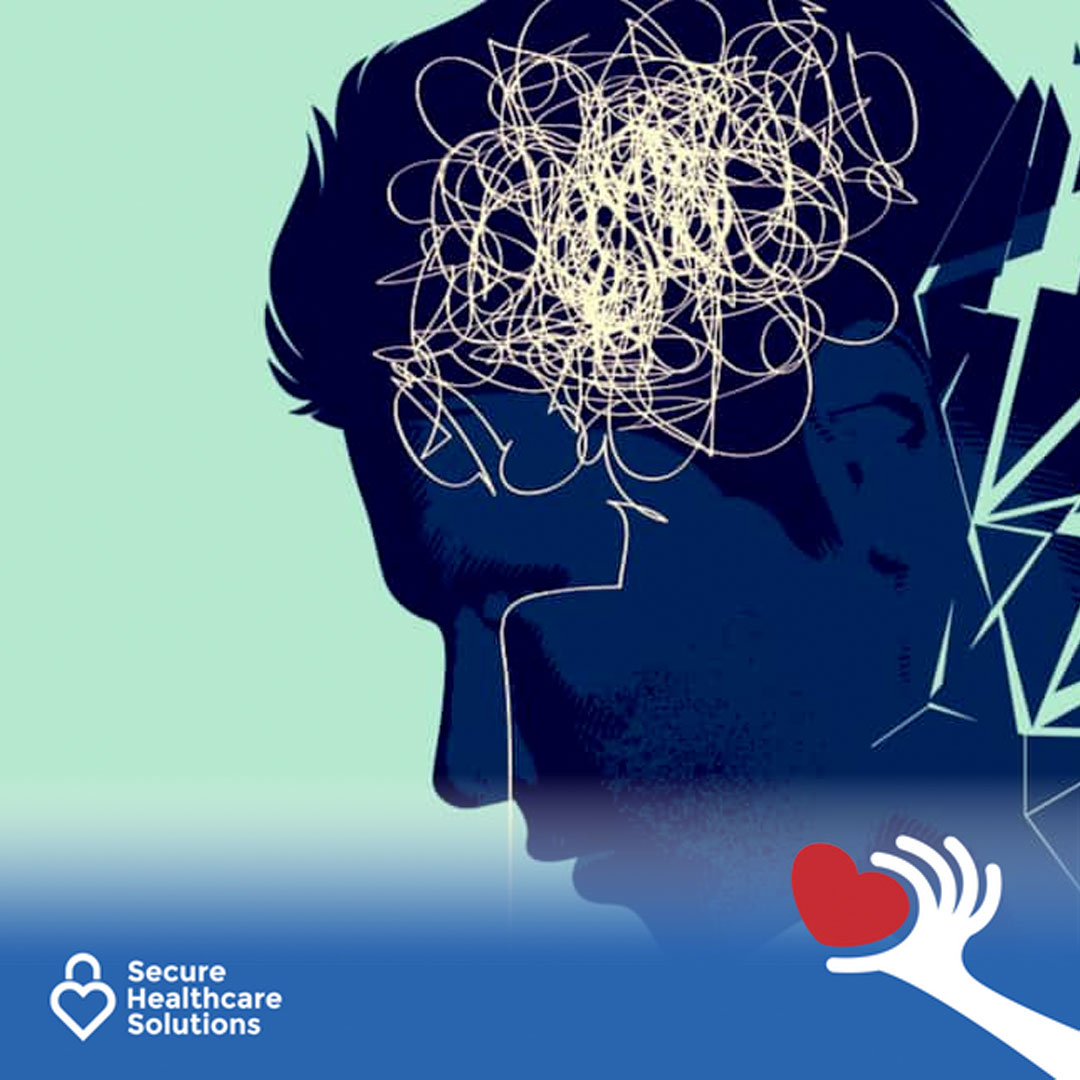
Social work is a very stressful job. A Guardian survey of 3,700 people in public services and the voluntary sector, including many social workers and other social care professionals, found that 93% of them experience some level of stress working in their jobs.

This stress is ever growing in the UK due to fewer resources, increased workloads and reduced staff. People in the survey reported various negative effects of feeling stressed, such as loss of sleep, depression, anxiety and an impact on their relationship with their partner or family. Many also said that their jobs were particularly stressful due to the nature of supporting people in difficult circumstances.

The demands placed on care workers by their jobs can affect their ability to sleep, causing fatigue and physical illness. This might mean they feel unable to continue with work, become negligent or reckless, or angry and irritable.

People react to stress in different ways depending on their personality, mental health issues and what is going on in their non-work lives, but there are things you can do, according to Mind the charity, to better cope with the inevitable levels of stress you find yourself dealing with when you work in care:

1. Talk to someone

Within care it’s important to communicate and let others you trust know when you are struggling. It’s difficult to care for someone else when you are unable to care for yourself. When you talk about how you feel, it helps you better understand what is stressing you out and why and will relieve the tension that you feel. Feeling overworked and under pressure is a serious concern and you don’t have to deal with it on your own.

If you’re having difficulties, try to have a mentor or a manager who you can talk to. This doesn’t need to be your line manager, but it does need to be somebody you have a good relationship with either inside or outside of work.

2. Develop coping strategies

Try to learn where your breaking points are and recognise the signs within yourself when things are getting too much. It’s important to develop techniques that you can use in these situations that can calm you down, whether that’s practicing meditation, or taking a walk, find what works best for you.

Equally, if you feel like you need extra help, speak to a medical professional.

3. Maintain a healthy work/life balance

Make sure you take time out of each day just for yourself so that you are able to recharge. Working long hours can mean that care workers are not able to recover from their long shifts, with the result being that they start the next day with little to no energy. Spending time on other activities outside of work or just relaxing can help.

4. Eat a balanced diet and get enough sleep

Getting enough sleep along with developing healthy eating habits are good places to begin when it comes to handling stress. You know what they say: Healthy body, healthy mind. Your body needs good nutrition to function daily. Your brain needs 80g of carbohydrates a day just to think straight. Check out the NHS website for tips on healthy eating. Everyone is different but the general rule is everything in moderation; including moderation.

5. Make time for yourself

Learning to relax is a skill which can help you control your emotions and improve your physical wellbeing. Even if you work long hours, waking up half an hour early to have breakfast or to just simply breathe and look out the window provides a great platform for you to start your day.

6. Exercise

Being physically active is a great way to reduce anxiety levels. Whether it’s swimming, running or just walking up and down the stairs a few times in your break, being active helps to give your brain some time away from those daily stresses. It also triggers the release of mood-enhancing hormones, making you feel happy and less stressed.

As NHS funding tightens and healthcare services in the UK become even more stretched, what were once roles preserved for doctors – prescribing drugs, ordering x-rays, referring patients and diagnosing etc – are now also done by many senior nurses. According to an article by the BBC, if you visit any walk-in clinic or minor injury unit, the chances are that you’ll be seen by a nurse and some GPs are also using nurse practitioners to ease their workload by carrying out consultations. There are nearly 330,000 nurses working in the NHS in England whereas by comparison there are only more than 32,000 GPs and 40,000 consultants.

Research by the British Heart Foundation on heart failure specialist nurses has shown that they can reduce hospital admissions and consultant appointments, giving a saving of over £1,800 per patient. The charity Parkinson’s UK also found that a specialist nurse saves over £200,000 a year in avoidable bed days, consultant appointments and unplanned admissions. With healthcare changing as medicine advances, and a growing amount of time devoted to helping people manage their conditions, there is arguably a growing role for the expert nurse as a way of making resources stretch further.

The main way to differentiate between a doctor and a nurse is that a doctor is the one who does the operations while the nurse is the one who assists, although another major difference is the level of education between both positions.

Doctors have more education

According to an article on Nurseslabs, doctors have a lengthier education time while nurses can follow a basic scheme to start getting paid work. The said education length will determine and influence the salary of each profession, which would mean to say that the higher the education time, the higher the pay. If nurses want to progress into senior positions, they have to gather more master’s degrees and doctorate degrees to get a notch higher than that of a regular nurse.

Due to the many years of learning and experience, a doctor can properly prescribe medicines. A doctor can also diagnose a disorder or disease while a nurse cannot because of all the lessons doctors needs to undergo. A doctor is the one who decides which treatment a patient has to take and also keeps track of the patient’s improvement with the help of the day to day workings of the nurses.

Nurses work with patients more closely

Unfortunately, doctors barely have any time to sit down with their patients and have a conversation with them, while nurses can work more intimately with patients and have conversations with them. Nurses are by the patient’s side from admission to discharge but doctors tend to only be called on as a last resort if the nurses do not have the scope or the expertise to look after the patient.

Nurses arguably have a more “human” role, which some would say is just as important as the doctors.

Doctors have the overall say over care

Doctors take a much bigger responsibility regarding decision making. Doctors are educated so that their knowledge is for one field of practice only, which would mean they would go back to school if they would want to practice another field. On the other hand, the license of a nurse is for everyone, regardless of the case specialty of the patient.

Nurses today are able to give prescriptions, make a diagnosis, perform procedures, and maintain the steady progress of the patient, but this does not mean that doctors are now being superseded by the nurses. The doctors still have the ability to overrule the nurses’ judgment and actions.

Studying to be a nurse offers more flexibility

To study to be a doctor on a tight budget or with a family is far more difficult than training to be a nurse, which is why a lot of mums turn to nursing after having children. A doctor’s education is more in depth than nurses and tends to run on far longer.

Both nurses and doctors are winners

The fact is that no one role is greater than the other. Although everyone plays a different role, doctors and nurses should act as a team, and without the other neither of them would be able to operate and care for their patients to the best of their abilities.

The role of care work stretches far beyond just caring for the elderly. In fact, there are a number of people with a variety of different needs who need extra care, such as those recovering from an accident, with disabilities, those living with an addiction and more. Carers help with daily needs and activities that such people might find difficult or impossible to do alone, like feeding, bathing, dressing, toileting, lifting and moving and administering medications. Others benefit from less support as they like to live fairly independent, but they may need someone to keep an eye on them, or help them with tasks like banking, transport, shopping and housework.

In terms of the different types of carers, Carers Trust explain that there are unpaid carers who might be a partner, family member, friend or neighbour who cares for the person in need, volunteer carers who are provided by some charities and non-profit organisations, then there are professional carers who are professionally trained and routinely monitored under stringent medical guidelines, and that is what we provide here at Secure Healthcare Solutions.

Professional carers fulfil a number or specialised tasks while getting to know the individual in need on a person level. Here are the different categories professional carers could fall into.

Personal carer

When faced with illness or immobility, it can be a struggle to carry out the everyday activities that you may have once performed with ease. These carers understand that there is no place quite like your own home, and that is why personal carers support you with your day-to-day living, as well as providing you with the encouragement and emotional support that you may need to remain living independently. Personal carers can assist you with personal hygiene needs, administering medication at a time to suit your convenience.

Complex carer

Complex care is one-to-one care specifically tailored for those affected by complex health conditions which require nursing care. Those affected by complex conditions will often rely on specialist equipment such as ventilators, colostomy bags, PEG feeding tubes and lift mobility. Complex care services range from short visits through to full time, live-in care.

Complex carers are most suited to individuals who:

– Have been discharged from hospital and have significant nursing and clinical care needs that need to be continually monitored.
– Are in hospital wards such as intensive care or high dependency units and are due to return home, faced with a long-term recovery process.
– Suffer from degenerative conditions and have on-going care needs.
– Have physical or learning disabilities and require long-term support in the home.
– Have complex care needs and are dependent on life sustaining technology.

Complex carers can help with:

– Intermittent catheterisation
– Peristeen – rectal irrigation
– Suppositories and digital stimulation for bowel movement
– Bladder washout
– Convene
– Urethral and Supra pubic catheter
– Cpap, BiPap and Vpap ventilation
– Cough assist
– Diabetes blood sugar monitoring
– Stoma – ileostomy, colostomy, urostomy
– Inhalers
– PEG feeding inc.bolus and continuous Nebuliser
– Insulin injections

Live in carer

Live in care is most suited to those who need someone to be with them during the day and night, whilst maintaining a high level of independence within the comfort of their own homes. Live in care can be offered as a respite or short-term care solution.

These carers can offer an extra set of hands around the house, assist you with gardening or cooking, help you with personal tasks like bathing and dressing and drive you to appointments, social engagements and more. Live in carers will provide you with round the clock support how and when you need it. Whether you want companionship and some help around your home, more specialised care for conditions such as dementia or Parkinson’s, or if your family carer simply wants a holiday, live in carers can help.

Respite carer

To give unpaid carers such as family members a much needed break, respite care provides companionship, personal care, cleaning and cooking, driving, shopping and more to individuals in need. It is a flexible service that provides a bespoke and tailored service for each need. Respite care is available for any period of time, from an hour or two to a longer period, which could be a week or more.

There is also such a thing as holiday care, which supports individuals who find it difficult to go on holiday due to the level of care and support that they require whilst away from home, often resulting in them not getting the break they need. Respite carers can accompany you on your break, allowing you and your family or friends a chance to relax, safe in the knowledge that you are getting the personal attention and support that you need to get the most out of your holiday.

There’s a little bit of everything in the West Midlands. Whether you love the country or feel more at home in the city, the West Midlands provides the best of both worlds and is an up and coming part of the UK looking to give the likes of London a run for its money; especially when it comes to quality of life and affordable housing options.

We are proud to provide a tailored staffing solutions service using our specially trained nurses, healthcare assistants and support workers across Birmingham, Wolverhampton, Stafford, Stoke, Coventry, Cheshire, Shropshire, Worcester and the surrounding West Midlands region. If you are thinking of joining our team, here are 10 reasons why it’s a good idea to work and study as a nurse in the West Midlands.

1. Regular nursing shifts

There’s nothing quite like a reliable source of income to ensure that the bills get paid and that you have money to do all the things you love to do. With a growing population and more and more of us living longer thanks to advancements in medicine, the need for nursing staff is greater than ever. This means that Secure Healthcare are always looking for new staff to fill different roles and shifts.

2. Great pay rates

Our ethos is to maintain good old fashioned values with a modern twist of technology and to ensure patient care is delivered to the highest quality while reducing the cost of care and increasing the pay to our staff. At the heart of our business, we are committed to helping the vulnerable population while protecting the workforce, with great pay rates, who makes it all possible.

3. Continued clinical training every 3/6 months

Secure Healthcare works to ensure that all of their staff are properly trained to the highest standards possible, which is why we provide all our care workers with FREE training. We will offer you a variety of training opportunities including mandatory training, which you will be updated on a yearly basis. We also provide additional training courses depending on the needs of the client.

The mandatory training covers:

– Manual handling
– BLS
– H & S (inc. COSHH, lone worker)
– Fire awareness
– First aid awareness
– Infection control
– Complaints handling
– Conflict resolution
– Information governance
– Food hygiene awareness
– Adult abuse/protection

In addition to the mandatory training, Secure Healthcare offers extra courses and development days to help our nurses improve their practice and support their continuing professional development (CPD).

4. Affordable housing

Lots of people are deciding to make the move from the South to the North due to soaring rental prices, dodgy landlords and for the chance to be able to raise a family in a house they can call their own. The West Midlands offers affordable housing and renting options in a variety of different areas, from the built up cities like Birmingham and Wolverhampton to more rural parts in Shropshire and Herefordshire.

5. You will be living in an up and coming area

Not only are more and more people moving to the Midlands for the affordable housing, but because the West Midlands is also a dynamic and up and coming area within the UK. The West Midlands is a diverse part of the world with award winning eateries, beautiful scenery, bustling cities and fizzing night life. There’s something for everyone.

With the government’s plans to build the High Speed 2 train, which will be a high-speed railway which will directly connect London, Birmingham, the East Midlands, Leeds and Manchester, there truly is no better time to relocate to the West Midlands.

6. Feel like you are making a difference

There’s no job quite like nursing for job satisfaction. If you love helping people and making a difference in the lives of vulnerable people, you’ll never regret making the decision to work and study as a nurse in the West Midlands.

7. Be part of a dynamic team

With support out of hours 24/7, and a kind, friendly team to help you with your day to day nursing duties and studies, you’ll find yourself not only enjoying your job and delivering it to a high standard, but making friends too.

8. Familiar clients and friendly faces

We aim to try to get you visiting the same individuals in need of care for their benefit and your own.

9. Job progression

Secure Healthcare are keen to help nurses and other healthcare workers progress in their careers. See our website for our job opportunities and more.

10. Live in a historic part of the world

Not many people realise, but the West Midlands is rich with history. In fact, it may surprise you to realise that Sir Isaac Newton – who discovered gravity – was from here, or that the 1832 Great Reform Act which laid the foundations of our modern electoral system was pioneered in Birmingham.

When we think of nursing and care work, we often think of the treatment we would like our loved ones to be given should they find themselves in need of extra care. Nursing isn’t for everyone, but for the few who find nursing to be their vocation, there are a few attributes that are needed in order to make a great nurse who you would be proud to look after your own family.

Professionalism

Nurses are tasked with handling a great deal of sensitive information and situations, whether that’s meeting with patients, administering medication or reading through patient records. There is a great deal of responsibility that’s involved when being a nurse, and it’s imperative that the job is handled in an ethical manner.

There may be occasions where you have to deal with difficult patients, or patients from different cultures and backgrounds to your own, and it’s important that throughout your work you treat everyone with the same amount of dignity and respect.

Brilliant communication skills

Communicating well is one of the most important aspects of a nurse’s job. Nurses have to be able to communicate clearly with doctors, patients and coworkers in a very high pressured environment. They must be able to follow instructions, as if they don’t people’s lives could be at risk. It is also important that nurses can communicate with a patient’s family in a sensitive manner.

Attention to detail

If nurses do not possess attention to detail and miss a step in a patient’s medical care this could have disastrous consequences. Whether it’s reading a patient’s chart or remembering important details, nurses need to be able to get it right and ask questions if they are unsure.

They must also be able to solve problems quickly should they arise.

Sense of humour

It’s a good idea to remember that the patient’s you deal with day in day out are human, and some appreciate finding the lighter side of a bad situation. A good sense of humour can keep morale high and keep patients feeling positive, but it can also help the nurses too. Nursing can be a tough job, and you may have to witness some difficult moments, so humour can always help to get you through your shift.

Patience

Nurses need to be patient with people who may be confused, sleep-deprived, under the influence or dealing with a great amount of stress. Patience will help to calm down such patients and allows you to better respond to the task at hand.

Caring

Arguably the most important attributes to have when being or thinking about being a nurse are to be caring, understanding and non-judgemental. Nurses need to have the ability to empathise with patients and their families on a daily basis and to show them that you are there with them every step of the way throughout their care. Being kind towards a patient can go a long way towards improving patient care and their hospital experience. It’s important to remember that very few people like being in hospital, so you are often dealing with a person at their worst, and it is your job to make their time in hospital run smoothly. Sometimes a caring nurse is all a patient has to look forward to during their day – you never know how much of an enormous impact you can have on someone’s life.

Nurses also need to be able to manage their own emotions and seek help when they need it. They constantly deal with stressful situations and tragic illnesses and they must be able to remain calm and think clearly throughout such circumstances.

Be eager to learn

Nurses need to be constantly aware of and apply the latest research to their work. After a nurse qualifies, that is not the end of their learning, as medicine is forever changing due to advancements in technology. Nurses should be eager to learn the latest techniques, procedures and how to get the most out of new equipment.

Good nurses should take advantage of every opportunity to enhance their skills and deliver great care. By gaining the extra knowledge and skills you need to provide better patient care, this could allow you the opportunity to pursue specialisms and move into management roles.

You may be aware that you are a carer, but may not be aware of the different avenues of support that there is out there for you to help you both financially and mentally. Perhaps you need a break or are a young carer looking to make friends, there are a number of options for you to research which could help make life a little easier.

Firstly, what is a carer?

Carers help with daily needs and activities that people in need might find difficult or impossible to do alone, like feeding, bathing, dressing, toileting, lifting and moving and administering medications. Some people in need of care benefit from less support as they like to live fairly independent, but they may need someone to keep an eye on them, or help them with tasks like banking, transport, shopping and housework. In terms of the different types of carers, there are unpaid carers who might be a partner, family member, friend or neighbour who cares for the person in need, volunteer carers who are provided by some charities and non-profit organisations, then there are professional carers who are professionally trained and routinely monitored under stringent medical guidelines, and that is what we provide here at Secure Healthcare Solutions.

The NHS explains that if you are a carer you can have a council assessment to see what help might be available to help make your life easier. The results of the assessment might recommend things like someone to take over caring so you can take a break, a gym membership and exercise classes to relieve stress, help with taxi fares if you don’t drive and putting you in touch with local support groups so you have people to talk to. A carer’s assessment is free and anyone over 18 can ask for one. To get a carer’s assessment you need to contact adult social services at your local council and ask for a carer’s assessment.

If money is an issue, your council might be able to help with the costs. You might need a financial assessment and this can be arranged for you after the carer’s assessment. You might also qualify for benefits that can help with costs. This can include Carer’s Allowance if you look after someone for more than 35 hours a week, Carer’s Credit, Carer Premium or Disability Living Allowance for children. If you’re told you don’t qualify for help and support, your council should give you free advice about where you can get help in your community. Ask if this doesn’t happen.

If you are struggling with the stress of caring for a loved one everyday, there is such a thing as “respite care”, which a Carer’s Assessment can advise you on whether you qualify for this support. Respite care gives carers a much needed break, and this can be for any period of time, from an hour or two to a longer period, which could be a week or more. Respite care can provide companionship and conversation for the person in need, personal care such as help with bathing, dressing and toiling, cleaning and cooking, driving and shopping.

If you are a young carer, Carers Trust’s local Network Partners are carer services across the UK, offering information, advice, practical support and/or care in the home. The Children’s Society can also help you find a young carers service near you and it has lots of advice and resources for young carers on its website. Carers UK is the UK’s membership charity for carers of all ages offering advice, information and an online forum for carers over 18.

If you are a young carer wanting help getting work, the Carers Trust offer a “getting into work” handbook for if you are looking for work for the first time, have been out of work for a while or if you are in work but looking for a new job: https://carers.org/article/getting-work-guide-young-adult-carers

For young carers in need of help working out the legalities of the person you are looking after, for example helping them with a will, LawStuff gives free legal information to young people. LawStuff is run by Coram Children’s Legal Centre, which provides more detailed information both over the phone and online. The Children’s Society’s website also has information on your legal rights.

Read more at about the support you are entitled to as a carer here: https://www.nhs.uk/conditions/social-care-and-support-guide/

Struggled to get out of bed this morning? All you wanted to do is stay in your Pyjama’s or your dressing gown? Well at Secure Healthcare Solutions we’ve had a PJ day for Pancreatic Cancer.

As an agency that provides temporary staffing solutions to the NHS and private hospitals, we feel it’s best to help spread awareness for causes such as these as our nurses, healthcare assistants and support workers can play a key part in them successfully recovering and helping them feel better.

With the survival rate of pancreatic cancer (Pancan) being sufficiently low due to it being detected at a late stage, it becomes difficult to remove due to the tumour being unable to be removed as surgery isn’t an option any longer.

As Pancan needs to be detected early we feel it is necessary to inform as many people as we can reach so that you can see the warning signs and be checked and if so diagnosed at an early stage to give you more of a chance to beat cancer. Even though it is in the top 5 for the UK’s worst cancers it
only receives less than 3% funding!

At Secure Healthcare Solutions, we are helping to raise awareness of Pancan day and proud to work with our agency healthcare professionals in looking after people suffering with Cancer.

Pamas

The month of April is Stress Awareness Month – so all this month, we will be taking a look at stress and providing you with some hints & tips of healthy coping mechanisms for you to implement. Here are our first top 5 tips to help reduce stress:

  1. Start your day with Breakfast
  2. Find 10 minutes during your day to meditate or listen to relaxation track
  3. Keep changing your daily routine, meet a friend or colleague for lunch and allow time to relax and enjoy it
  4. Switch from drinking coffee to a healthier alternative such as green tea or fruit juice
  5. Organise your work by setting priorities

We will be uploading some more tips throughout the month to help you manage your stress and some practical steps on how you can relax your mind and body.

With World Parkinson’s awareness day upon us we are coming together for #uniteforparkinsons. his incurable disease affects nearly 10 million people in their everyday lives and we are joining their communities around the world to raise awareness on a larger scale. Parkinson’s is a neurological condition which develops progressively differing in speed and stages for
each individual. People who have this condition aren’t able to produce the chemical dopamine due to the nerve cells that create this could have died. Even though there isn’t a definitive reason as to why this happened, researchers believe it is a combination of genetic and environmental factors.

As these conditions continue to develop these individuals could be reliant to care at home including domiciliary, palliative and respite care. Secure Healthcare Solutions work with clients with similar situations and we thoroughly enjoy providing a service which benefits our clients living at home as well as those in nursing homes. Living with Parkinson’s can vary from person to person however in the severe cases full time live in care are required which not everyone is able to cater for. As care at home is becoming more appealing, domiciliary carers are able to help out as and when needed.

Secure Healthcare Solutions are joining together to show our support for #uniteforparkinsons why don’t you show your support and spread the word!


Welcome to April! What a beautiful month it is. This month we have stress awareness month and with stress being such a common strain that affects everyone every single day, we are spreading the
word across April to help you understand the signs and symptoms of stress. With confrontational circumstances being the cause of an individual’s mental and emotional strain it
leaves people feeling deflated, depleted and low energy levels which are all common symptoms of stress. There are many different symptoms that can cause a person to feel stressed which stems
from different situations.

Working within the healthcare industry and providing to a range of different clients working within NHS hospitals and private homes we are fully aware of how these settings can be quite stressful. With
our temporary staffing solutions, we are able to take the stress off of you and help you find the solution to your problem. With healthcare professionals struggling to cope with their stress levels;
normally being overworked with not enough time away, we as an agency are happy to help relieve stress and help all allied healthcare professionals have a happy, balanced life.
Over the month, Secure Healthcare Solutions are going to be spreading the awareness of stress and how to cope with it to help you feel as happy and confident as our agency workers.
Social media tips So I was thinking this could be put either on the instagram and facebook stories or in a branded square similar to the training one posted across the month to help people know how to prevent
stress.