
Loading Jobs...

Relapsing Remitting Multiple Sclerosis (RRMS) is a type of Multiple Sclerosis (MS) that affects a person’s central nervous system. According to the MS Society, over 150,000 people in the UK are living with MS.

RRMS can drastically change a person’s life. Occasional fatigue, dizziness, balance problems, and numbness in body parts, which we think are not of importance, can develop into a long-term neurological condition.

Relapsing Remitting MS is the most common type of MS, which shows its symptoms even in the early stages of the diagnosis. Although there is no cure for MS now, many people with RRMS lead stable, active, and fulfilling lives with the right treatment, care, and support.

What Is Relapsing-Remitting MS (RRMS)?

Relapsing Remitting MS is a type of MS where you have relapses followed by remissions. Around 85% of people diagnosed with MS are initially diagnosed with Relapsing-Remitting MS.

MS is a disorder characterised by demyelination, in which the body’s immune system attacks the central nervous system, causing white matter lesions that underlie the patient’s symptoms.
The most common form is Relapsing Remitting MS (RRMS), where the patient will have new signs emerge or worsening of the older ones. This is called a relapse, flare-up, or exacerbation.

The period between the relapses is a remission(Remitting) period in which the patient makes a partial or complete recovery. The symptoms of RRMS can vary depending on each person and which part of the nervous system is affected.

Relapsing Remitting MS Symptoms to Look Out For

MS symptoms can vary from person to person. Some experience mild or normal complications, while others may have severe complications and even have to visit A&E.

Types of RRMS symptoms you should look out for:

Fatigue

Around 80% of people with MS experience fatigue throughout the course of the disease. It is the most common MS symptom and can be physically draining and intense.

Blurred Vision

Pain behind the eye, double vision, or hazy sight are the earliest signs of RRMS. These symptoms may persist throughout the disease, but in some cases, they may resolve over time.

Numbness and Tingling

When RRMS relapse occurs, numbness in the legs and arms is the most frequent. The whole body feels an unusual sensation or tingling when moving the body. These can increase in the next relapses.

Muscle weakness and Balance issues

Living with Relapsing Remitting Multiple Sclerosis, you can feel off balance or find it hard to walk. Muscle function is also affected; you may feel muscle stiffness, cramps, etc.

Bladder problems

Urgency or late urination, constipation, or bowel difficulties may occur in RRMS. These symptoms can be embarrassing, yet they should not be ignored.

Emotional changes

MS symptoms affect a person’s mind and emotional state. An individual with RRMS shows signs of forgetfulness, trouble following instructions, etc.

A proper diagnosis for Relapsing Remitting MS is necessary to avoid confusing it with other neurological conditions.

Relapsing Remitting MS Diagnosis in the UK

Diagnosing RRMS can sometimes take time because it requires many medical tests, as different symptoms may resemble other neurological conditions. You should consult your GP for further clarification.

In the UK, diagnosis often involves:

  • Neurological examinations
  • MRI scans
  • Lumbar puncture tests
  • Blood tests to rule out other conditions

Many patients are referred to specialist neurology clinics through the NHS. MS nurses also play a vital role in supporting patients throughout diagnosis and long-term management.

Receiving a diagnosis can bring mixed emotions. Some people feel frightened, while others feel relief at finally understanding the cause of their symptoms.

Understanding How Relapses Occur

RRMS Relapse involves acute inflammation in the central nervous system, where the nerves fail to send signals to the body, creating a dysfunction or relapse.

To be considered a genuine relapse, the MS symptoms should:

  • Last for at least 24 hours
  • Occur after a period of stability
  • Not to be caused by infection, fever, or overheating

Generally, relapse can be managed at home with the help of your GP, MS specialist nurse, or other care professionals. In case of severe relapse, hospital treatment is recommended.

Relapsing Remitting MS Treatment Options

MS has no cure currently, but treatments can help reduce relapses and manage MS symptoms:

  • Disease-Modifying Therapies (DMTs)
  • Steroid Treatment During Relapses
  • Symptom Management

Steroids are only prescribed for severe relapses, for early recovery and inflammation. Medication and Therapies can help manage MS symptoms such as pain, bladder control, anxiety, etc.

DMTs are medications designed to reduce inflammation and lower the frequency of relapses. These treatments are commonly prescribed through specialist MS services within the NHS.

Different medications suit different patients depending on symptom severity, lifestyle, and overall health.

Signs You May Be Having a MS Relapse

MS relapse can happen after a full or partial remission (interval between relapses) of Relapsing Remitting MS, and sometimes you can be uncertain of the MS symptoms that triggered the relapse.

The following are the signs that can trigger a MS Relapse:

  • Lack of Rest
  • Infection
  • Heat and Exhaustion
  • Emotional Stress
  • Overheating

Infections such as urination infection, flu, and chest infections also worsen a relapse or trigger a relapse. Stress with prolonged anxiety or a chronic condition can create mental strain. MS Home care services in the UK and lifestyle adjustments can improve the daily life of an RRMS patient.

Daily Living Tips for Managing RRMS

Maintaining your everyday life with Relapsing Remitting MS is achievable with the following tips:

  • Have a healthy, well-balanced diet
  • Reduce Alcohol intake and smoking
  • Be active physically and mentally
  • Be careful of developing infections affecting swallowing, breathing, and circulation
  • Emotional support matters

To maintain MS symptoms, many individuals keep daily routines, regular rest periods, or sleep patterns, do mild exercise, prioritising tasks. These small habits build a solid foundation for a healthy lifestyle for RRMS patients.

RRMS Home Care Support from Secure Healthcare Solutions

Living with Relapsing Remitting Multiple Sclerosis can be overwhelming at times with physical, emotional, and lifestyle challenges that affect everyday life. Secure Healthcare Solutions in the UK provide professional carers and a patient-centred approach. We aim to help individuals living with RRMS continue leading safe, dignified, and fulfilling lives within the comfort of their own homes.

At Secure Healthcare Solutions, Wolverhampton, we understand that every individual’s experience with Multiple Sclerosis is unique. Our compassionate Multiple Sclerosis Care in Wolverhampton services are designed to provide personalised support tailored to each patient’s specific needs, whether it involves assistance with daily activities, mobility support, medication management, or emotional wellbeing.
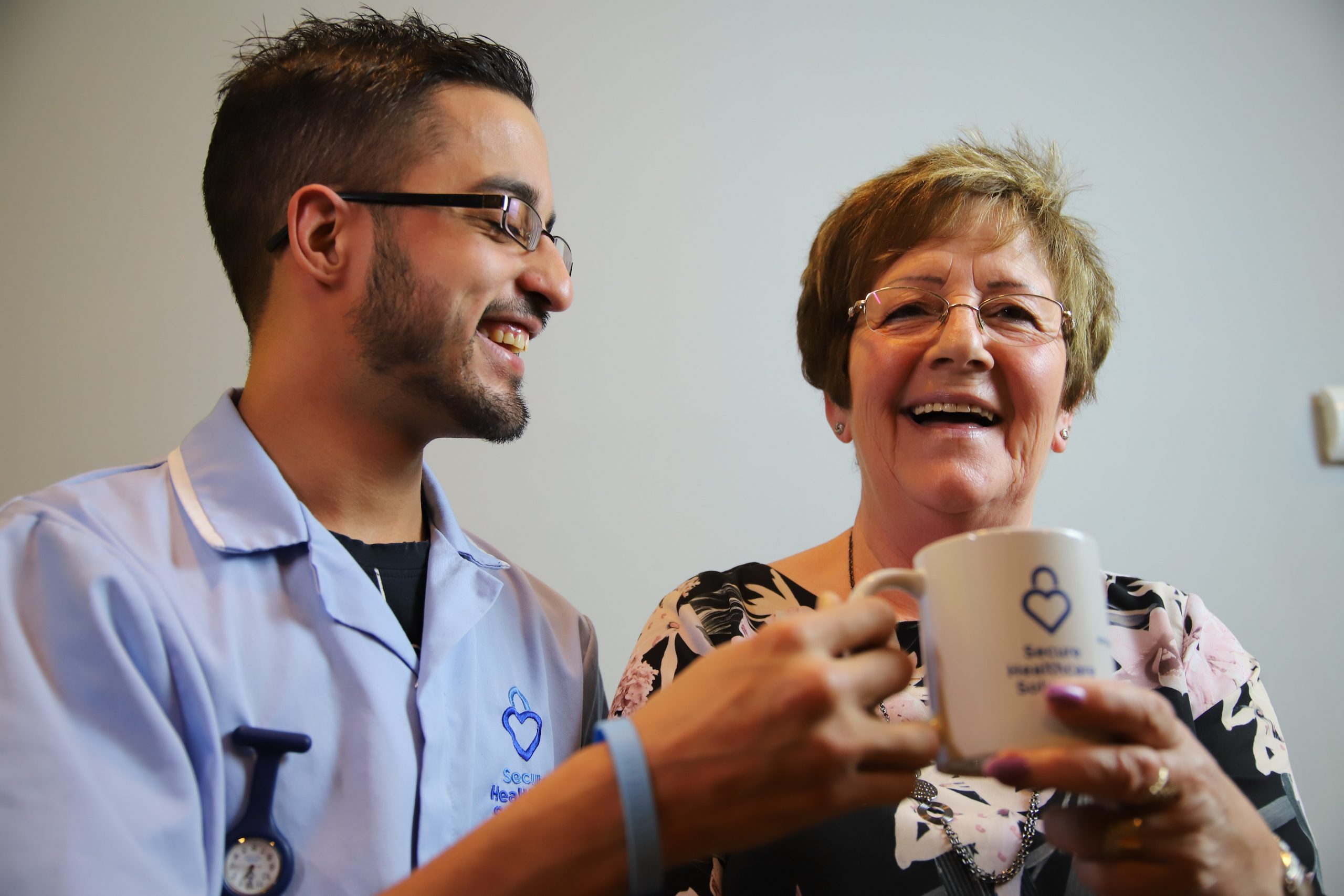

Multiple Sclerosis (MS) is a long-term condition that affects the brain and spinal cord, leading to a range of symptoms like fatigue, difficulty walking, and vision problems. MS can make daily life challenging for both patients and their families. Effective Multiple Sclerosis care and MS support services are essential for managing these symptoms and improving quality of life.

Living with MS often requires a combination of medical treatments, lifestyle changes, and emotional support. Secure Healthcare Solutions offers comprehensive support for Multiple Sclerosis, helping patients and families cope with the condition. In this blog, we will discuss what MS is, its different types, its impact on patients and families, available management strategies, and how Secure Healthcare Solutions provides tailored care to those in need.

What is Multiple Sclerosis (MS)?

Multiple Sclerosis (MS) is a neurological condition where the immune system mistakenly attacks the protective covering of nerve fibres in the brain and spinal cord. This damage disrupts the communication between the brain and the rest of the body, leading to symptoms like muscle weakness, numbness, balance problems, and vision issues. The exact cause of MS is still unknown, but it is believed to involve a combination of genetic and environmental factors.

MS affects each person differently, with symptoms varying in type and severity. Some may experience mild symptoms, while others may face more severe challenges that impact daily life. Effective Multiple Sclerosis care focuses on managing symptoms, slowing disease progression, and providing support to help patients live a fuller life.

Types of Multiple Sclerosis

There are four main types of Multiple Sclerosis, each with its own pattern of progression and symptoms. Understanding these types is crucial for choosing the right MS management strategies and care.

Relapsing-Remitting MS (RRMS)

Relapsing-remitting MS (RRMS) is the most common type, affecting around 85% of people diagnosed with MS. It is characterised by clear episodes of new or worsening symptoms (relapses) followed by periods of partial or complete recovery (remissions). During remission, symptoms may improve or even disappear, but they often return or worsen with each relapse.

Secondary Progressive MS (SPMS)

Secondary Progressive MS (SPMS) often follows an initial phase of RRMS. Over time, the relapsing-remitting pattern becomes less distinct, and the disease steadily worsens without distinct relapses or remissions. SPMS may lead to increased disability, and managing this phase focuses on slowing progression and managing symptoms.

Primary Progressive MS (PPMS)

Primary Progressive MS (PPMS) is less common, affecting about 10-15% of people with MS. It is characterised by a gradual worsening of symptoms from the onset, without early relapses or remissions. This type tends to have a more significant impact on mobility, often requiring more complex care services to maintain quality of life.

Progressive-Relapsing MS (PRMS)

Progressive-relapsing MS (PRMS) is the rarest form, where patients experience a steady worsening of symptoms from the beginning, but with occasional acute relapses. Unlike RRMS, there is no period of remission, and symptoms continue to worsen between relapses, making support for Multiple Sclerosis critical in managing its effects.

How Secure Healthcare Solutions Can Help You

Secure Healthcare Solutions offers comprehensive MS support services tailored to meet the unique needs of each individual living with MS. From specialised care to practical assistance, our team is dedicated to providing support for Multiple Sclerosis patients and their families.

  • Tailored Personal Care Support: Our services are flexible, offering visiting care that adapts to your changing needs. This can range from short or long visits to overnight care or even a full-time, live-in carer. We provide personalised Multiple Sclerosis care to ensure comfort and well-being.
  • Specialist Support: Our team includes trained caregivers who are well-versed in the complexities of MS. They understand the condition’s ins and outs and are always ready to answer any questions or concerns, ensuring you receive knowledgeable MS management strategies.
  • Assistance with Day-to-Day Tasks: We help with everyday activities like bathing, dressing, meal preparation, and mobility. Our focus is on making daily life easier, allowing you to maintain your independence while receiving the support you need.
  • Emotional, Physical, and Mental Support: Living with MS can be challenging, and we provide emotional support to help you cope with its impact. Our caregivers are trained to offer companionship, motivation, and mental health support to boost your overall well-being.
  • Support with Tasks Around the House: We assist with light housekeeping, laundry, and other household chores, helping to ease the burden on you and your family. This support ensures a safe and comfortable living environment.
  • Help Managing Symptoms: Our caregivers help you manage symptoms through medication reminders, mobility support, and coordination with healthcare professionals, providing a holistic approach to Multiple Sclerosis care.

Tips for Families Supporting a Loved One with MS

Supporting a loved one with MS can be challenging, but there are ways to make the journey easier for both the patient and the family. Here are some practical tips to provide effective Multiple Sclerosis care.

Encouraging Independence

Allowing your loved one to maintain independence is vital. Encourage them to do daily tasks themselves, with minimal assistance, to boost their confidence. Use tools or aids that make activities easier and safer. Fostering independence is a key part of MS management strategies, as it promotes a sense of control and dignity while living with MS.

Building a Support Network

Create a strong network of friends, family, and professionals for emotional and practical support. MS support services, including local groups and online communities, can connect you with others who understand your experience. A solid network helps in sharing caregiving responsibilities and finding resources that offer practical support for Multiple Sclerosis.

Self-Care for Family Members

Providing family support for MS can be physically and emotionally taxing, so it’s crucial for caregivers to look after their own health. Take breaks, seek respite care, and connect with others facing similar challenges. Self-care ensures you have the energy and resilience needed for long-term caregiving and helps in managing complex care services effectively.

Conclusion

Living with MS presents many challenges, but with the right Multiple Sclerosis care and MS support services, patients and families can find ways to manage these difficulties and improve their quality of life. Understanding the types of MS, its impact, and the available management strategies is key to providing effective support for Multiple Sclerosis.

Secure Healthcare Solutions offers comprehensive care, personalised to each individual’s needs, helping both patients and families cope better with daily tasks and emotional stress. Reach out today to learn more about our services and how we can support your journey in living with MS.