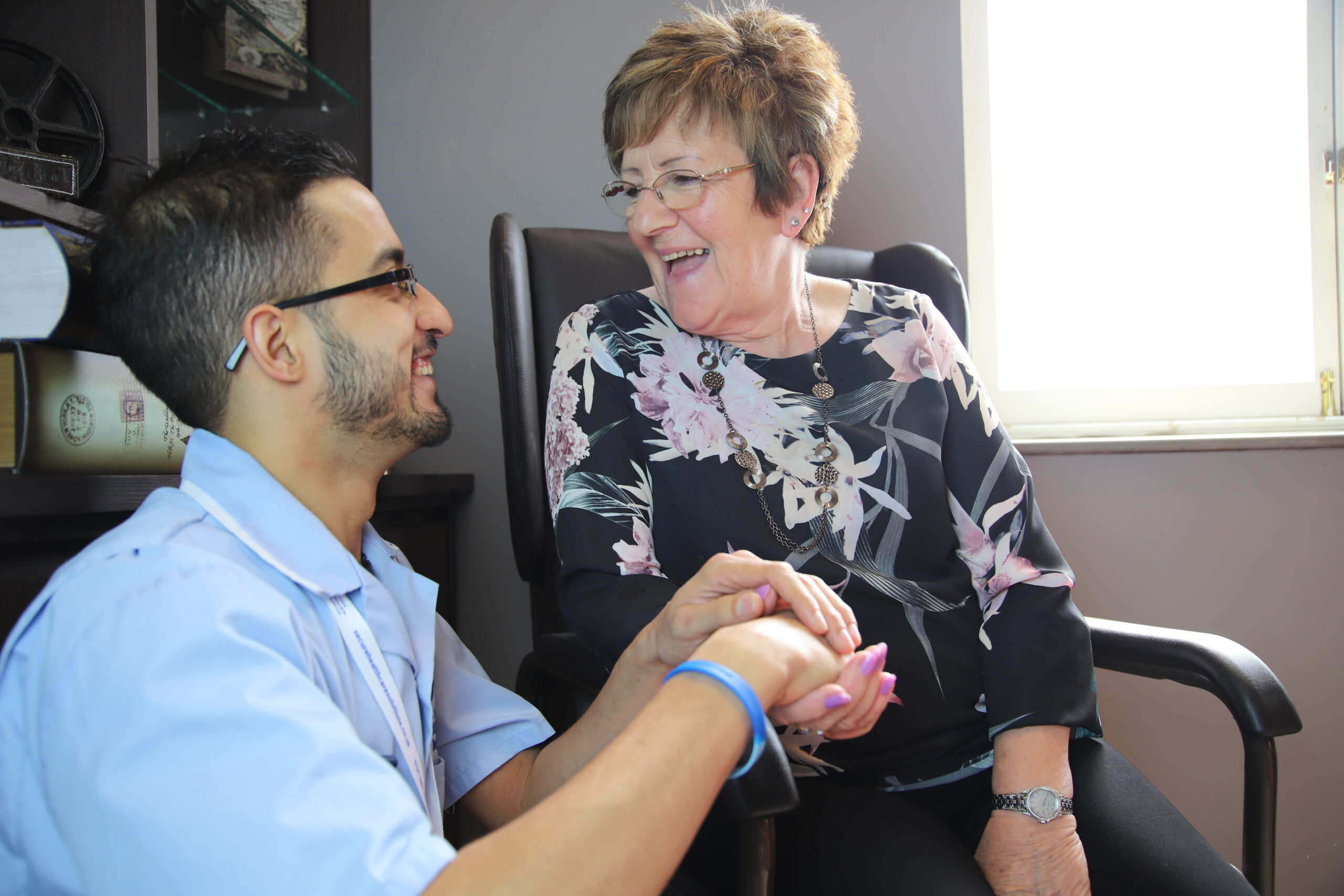
Parkinson’s disease is often associated with movement symptoms such as tremor, stiffness and slower movement. However, the non-motor symptoms of Parkinson’s disease can be just as difficult for daily life, especially when they affect sleep, mood, digestion, memory, bladder control or confidence at home.
Parkinson’s can involve more than 40 recognised symptoms, and everyone’s experience is different. For families and carers, understanding these “hidden” symptoms can make it easier to spot changes early, reduce risks at home and know when to ask for professional help.
What Are the Non-Motor Symptoms of Parkinson’s Disease?
Non-motor symptoms are changes caused by Parkinson’s that do not directly involve movement. While motor symptoms affect walking, balance, stiffness or tremor, non-motor symptoms can affect how a person sleeps, thinks, feels, digests food and manages everyday routines.
These symptoms are sometimes harder to notice because they are not always visible. They may also be mistaken for ageing, stress, medication side effects or other health conditions. This is why families and carers should look out for changes in mood, sleep, appetite, toileting, memory and confidence at home.
Top 10 Non-Motor Symptoms of Parkinson’s Disease
1. Sleep Problems
Sleep disturbance is common in Parkinson’s. A person may struggle to fall asleep, wake often during the night, experience vivid dreams, feel restless, or feel very sleepy in the daytime.
Support tips include keeping a regular bedtime routine, reducing caffeine in the evening and making the bedroom calm and safe. If the person gets up at night, good lighting, clear walkways and easy access to the toilet can reduce the risk of falls.
2. Fatigue
Fatigue in Parkinson’s is not the same as ordinary tiredness. It can feel overwhelming and may affect concentration, mood, motivation and the ability to complete daily tasks.
Families can help by planning important activities for times of the day when energy is usually better. Short rest breaks, hydration, gentle activity and support with washing, dressing or meals can help the person conserve energy.
3. Constipation
Constipation is a common non-motor symptom of Parkinson’s and may be linked to slower digestion, reduced movement, medication, diet or fluid intake. It can cause discomfort and may affect appetite and general wellbeing.
Helpful support includes encouraging fluids, fibre-rich foods and safe movement where appropriate. Families should monitor bowel habits and seek advice from a GP or pharmacist before using laxatives, especially if constipation is severe, painful or persistent.
4. Bladder Problems
Parkinson’s can cause urinary urgency, frequent toilet visits, night-time waking or incontinence. These symptoms can affect sleep, confidence and dignity.
Practical steps include keeping the route to the bathroom clear, using night lights and considering continence products or bathroom aids where needed. A GP should review new or worsening bladder symptoms to rule out infection or other causes.
5. Depression and Anxiety
Depression and anxiety are common in Parkinson’s and should be taken seriously. Depression may cause low mood, loss of interest or hopelessness. Anxiety may lead to worry, panic, fear of falling or reluctance to leave the house.
Support starts with listening without judgement. Encourage the person to speak with their GP, Parkinson’s nurse or specialist team. Routine, companionship, gentle activity and meaningful social contact can also help reduce isolation.
6. Memory and Thinking Changes
Some people with Parkinson’s experience slower thinking, forgetfulness, reduced concentration or difficulty planning tasks. This does not mean everyone with Parkinson’s will develop dementia, but changes should be monitored.
Useful support includes calendars, reminder notes, medication charts and simple daily routines. Sudden confusion should be treated as a warning sign, as it may be linked to infection, dehydration, medication changes or another urgent health issue.
7. Pain and Sensory Changes
Pain in Parkinson’s may include muscle cramps, stiffness, aching joints, nerve-type pain or unusual sensations. Pain can affect sleep, mood, mobility and independence.
A pain diary can help identify patterns, including whether pain is linked to medication timings or certain activities. Depending on the cause, support may include physiotherapy, posture advice, safer mobility support or a medication review with the specialist team.
8. Dizziness and Low Blood Pressure
Some people with Parkinson’s experience a drop in blood pressure when standing, known as postural hypotension. This can cause dizziness, light-headedness, fainting and falls.
Support tips include encouraging the person to stand slowly, sit down if dizzy and keep hydrated unless advised otherwise by a healthcare professional. Repeated falls, fainting or severe dizziness should always be discussed with a GP, Parkinson’s nurse or specialist.
9. Swallowing and Saliva Problems
Parkinson’s can affect swallowing, chewing and saliva control. This may cause drooling, coughing during meals, food sticking in the throat, weight loss or an increased risk of choking.
Meals should be calm and unhurried, with the person sitting upright. If swallowing becomes difficult, a GP or specialist team may refer to a speech and language therapist for assessment and advice.
10. Hallucinations or Changes in Perception
Some people with Parkinson’s may see, hear or sense things that are not there. Others may experience delusions or become suspicious. This can be distressing for the person and their family.
Carers should stay calm, offer reassurance and avoid arguing about what the person is experiencing. New, worsening or distressing hallucinations should be reported to a GP, Parkinson’s nurse or specialist team, especially if they appear suddenly.
Practical Support Tips for Families and Carers
A symptom diary is one of the most useful tools for families. Record sleep, mood, appetite, bowel habits, bladder changes, falls, pain, hallucinations, medication timings and any sudden changes in behaviour. This gives healthcare professionals clearer information between appointments.
Home safety is also important. Good lighting, clear walkways, safe footwear, bathroom aids and grab rails can reduce the risk of falls. For people with memory or thinking changes, simple routines and visible reminders can make daily life feel calmer and more predictable.
Families should also think about their own wellbeing. Parkinson’s can place emotional and physical pressure on carers, especially when symptoms change, or night-time support is needed. Respite care, companionship care and professional home care can give family carers time to rest while keeping their loved one supported.
When to Speak to a GP, Parkinson’s Nurse or Specialist Team
Speak to a GP, Parkinson’s nurse, neurologist or specialist team if symptoms are new, worsening, causing distress or affecting safety.
Urgent advice is needed for sudden confusion, repeated falls, fainting, choking, severe constipation, signs of infection, unexplained weight loss, distressing hallucinations or thoughts of self-harm.
In an emergency, call 999. For urgent medical advice when it is not an emergency, use NHS 111.
Parkinson’s Care at Home: How Secure Healthcare Solutions Can Help
For many families, Parkinson’s care at home can make daily life safer and more manageable while allowing the person to remain in familiar surroundings.
Secure Healthcare Solutions provides tailored care across Wolverhampton, Birmingham, Walsall, Dudley, Sandwell, Cannock, South Stafford, Telford and nearby areas. Support can include personal care, medication prompts, meal preparation, hydration support, continence care, mobility assistance, companionship, respite care, night care and live-in care.
Care plans can be adapted as needs change, helping families manage symptoms, reduce pressure and support independence at home.
If you are worried about a loved one’s Parkinson’s symptoms or need extra support at home, contact Secure Healthcare Solutions today to discuss a tailored Parkinson’s care plan.
Sources
- https//www.parkinsons.org.uk/information/symptoms
- https://www.parkinsons.org.uk/information/symptoms/non-motor
- https://www.nhs.uk/conditions/parkinsons-disease/
- https://www.nice.org.uk/guidance/ng71