Loading Jobs...

Every single minute, the brain filters thousands of sensory inputs automatically. For most people, this happens without effort, but for some, it doesn’t. It’s estimated that 69% to 90% of autistic people often experience sensory processing differences.

When the nervous system receives more than it can handle, sensory overload happens. It then responds in the only way it knows how, and it may be seen as a meltdown, tantrum, repetitive behaviour, or shutdown.

In this blog, we explain what sensory overload is, its common triggers and symptoms, and strategies for caregivers and individuals to calm down when it happens.

What is Sensory Overload?

The brain perceives the environment through five senses – sight, hearing, smell, touch, and taste. All this information reaches the brain at the same time, but irrelevant inputs often get filtered out automatically.

But in some people, this filter doesn’t work the same way. Every input competes for attention from the brain. When these overwhelm the brain, it can’t process all the information properly, and it’s commonly called sensory overload.

The noise level, lights, and everything about the room could have been the same. But if the body’s response changes before the mind can catch up, the person may experience sensory overload. It’s neither an overreaction nor a behaviour choice. It’s simply the brain that can’t process everything at once and wants an exit.

It can happen to anyone, but it’s more common in autistic individuals and people with ADHD.

What Causes Sensory Overload? (Common Triggers)

A single cause can’t be isolated for sensory overload. Often, it builds up before the meltdown happens. Anything like a scratchy collar of a school shirt, a different route taken by a school bus, or someone wearing a new perfume can all lead to sensory overload. It depends on the individual. Some of the common triggers are:

  • Loud, sudden, or unpredictable noise
  • Bright or flickering lights
  • Strong smells from food, perfume, cleaning products, etc
  • Varying textures in food or clothes
  • Too many people in an environment like a crowded mall or a busy restaurant
  • Emotional stress
  • Fatigue

Often, emotional stress and fatigue can build up and trigger sensory overload even if the environment remains the same. Knowing the symptoms can help a person to calm themselves.

Common Symptoms of Sensory Overload

While meltdowns during sensory overload are commonly noticed by all, shutdowns often go unnoticed because people become unusually silent. The absence of a response is also a symptom of sensory overload when the brain has decided that it has nothing left to give.

The sensory overload symptoms vary from one person to another. Generally, these are observed:

  • Covering eyes or ears to block input
  • Becoming irritated or agitated
  • Sudden emotional outbursts, such as laughing very loudly or uncontrollable crying
  • Difficulty speaking
  • Physical symptoms like headaches, nausea, and tensing up of muscles
  • Starting repetitive movement like hand clapping, rocking, etc
  • Becoming unresponsive, going quiet, or becoming still
  • Trying to escape the situation abruptly

In children, these symptoms are often misunderstood as bad behaviour. A child refusing to enter a school hall because the lights are too bright may be called a difficult child. An adult leaving a social event early may be called rude. The nervous system of a person with sensory overload communicates via behaviour when they can’t express what they feel with words.

Sensory Overload in Autism vs ADHD

While sensory overload is more common among people with autism or ADHD, the way their brains respond is often varied. In a room with the same lights, sound, smell, and people, sensory overload shows up in a different way.

For a person with autism, the input keeps coming, but the brain can’t process it all. They may need a corner, a wall, and silence. It can often lead to a shutdown with the person becoming quieter and still. It’s also easy to miss if the caregiver doesn’t pay close attention to common individual behaviour.

In the case of people with ADHD, the brain doesn’t understand what input to focus on and tries to focus on everything at once. They may keep adjusting the chair because it feels wrong or stop concentrating on their conversation because the conversation that’s happening three seats over is louder for them. They may find it hard to be still.

Understanding what the sensory overload feels like for the person experiencing it can help caregivers find a way to calm down the response.

What Does Sensory Overload Feel Like?

The music may not be too loud in the room. But for the person experiencing sensory overload, it might feel like pressing against the inside of their skull.

They become very uncomfortable as everything around them feels wrong, and they can’t stop noticing it. Someone may ask a question, but they can’t form an answer. Not because they don’t know it, but because the part of the brain that has to assemble the words focuses on something else.

This dysregulation is what caregivers often miss because it’s challenging to know when the nervous system of a person is at its capacity. When the sensory overload passes, the person continues to experience exhaustion and embarrassment, and recovering from that can also be difficult.

How to Calm Sensory Overload (Practical Strategies)

Some adults who are aware of their sensory overload triggers and symptoms may be able to calm them down. In most situations, caregivers can intervene to reduce the brain’s workload. Removing the person from the trigger that’s contributing to the sensory overload is the first step. Asking them questions can add to their stress because they are already struggling to process the information they receive.

Some of the practical strategies to calm sensory overload are:

  • Remove or reduce the trigger by leaving the environment, dimming the lights, or turning off music or noise.
  • Create a calm-down space, such as a quiet corner at home or school, with minimal sensory input.
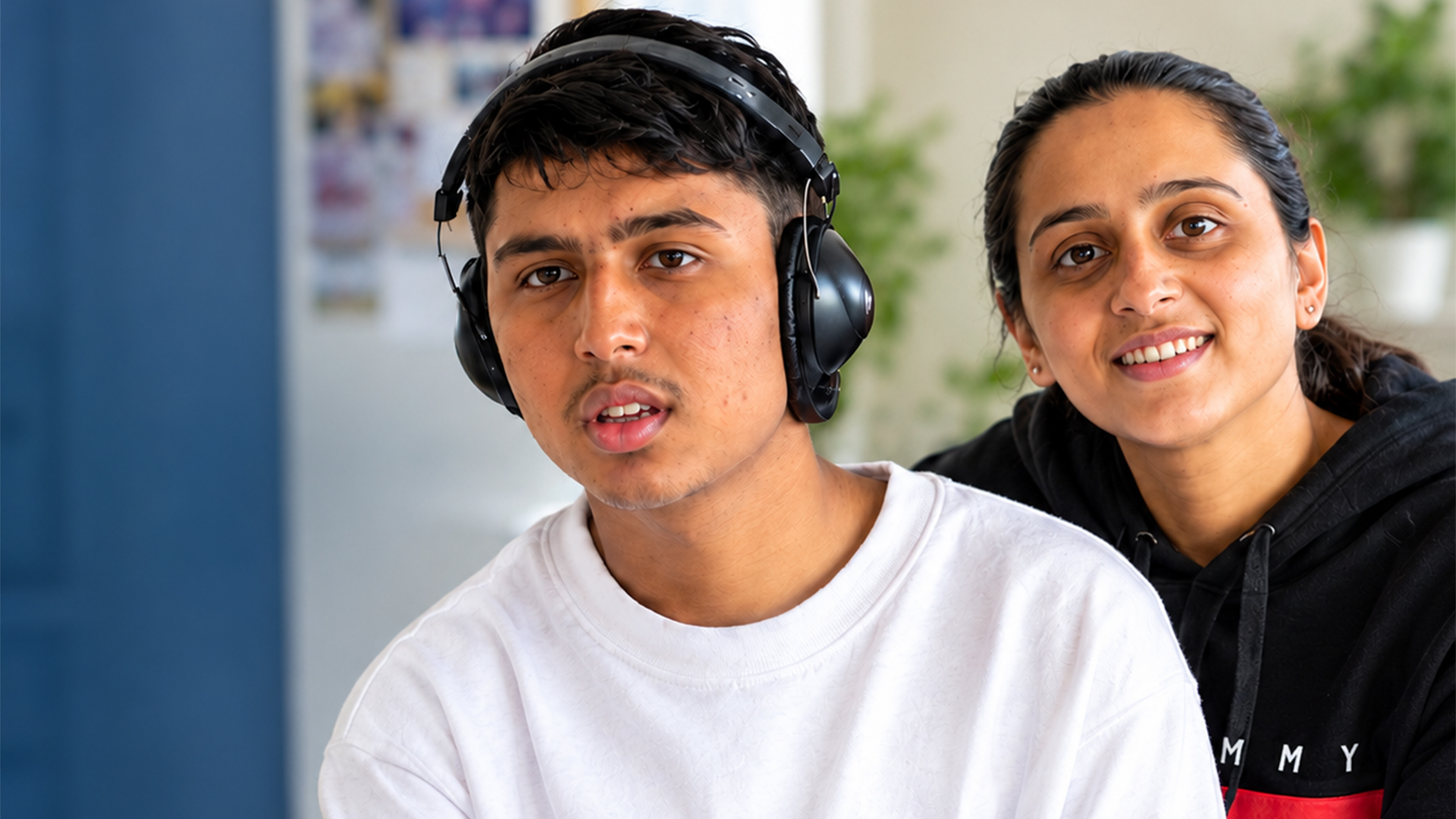
  • Use noise-cancelling headphones in environments that can’t be avoided or controlled.
  • Establish a signal system, such as a word or gesture, that means that the person needs to stop without requiring explanation.
  • Tracking behaviour patterns may help identify triggers and plan the day around them.

While it’s not possible to eliminate all difficult environments, building awareness about sensory overload can make it manageable. Professional help is also available to caregivers and patients to manage and navigate symptoms of sensory overload.

Learning Disability Services in Wolverhampton

Sensory overload is manageable with the right support structure. A trained healthcare professional can identify specific triggers, establish school accommodations, and help adults recognise their own nervous system responses before they escalate.

Secure Healthcare Solutions offers nurse-led teams trained to recognise complex behavioural and sensory patterns early and respond with structured routines. The care teams create a flexible design that adapts to changes across different life stages.

Learning disability services in Wolverhampton work with individuals and families to build support around the person. They listen to what the person experiences, what their specific circumstances require, and what has and has not worked before to develop strategies that work.

Parenthood has highs and lows when it comes to pride, surprise, and reflection. However, when your child starts behaving or talking in a strange manner than the other children of the same age, every parent has one question: What’s going on here?

Autism Spectrum Disorder (ASD) is one of the most prevalent developmental conditions, which affects how individuals think, interact, and comprehend the surrounding world.

Learning about autism helps you spot the signs early, get the right help, and make sure that your child feels seen. This blog defines what Autism disorder is, its causes and diagnosis, and aids the parents in supporting their children.

What is Autism Spectrum Disorder (ASD)

Autism Spectrum Disorder is a developmental condition of the brain that alters the way an individual speaks, learns, and reacts with the surrounding environment.

This is referred to as a spectrum because autism presents itself differently in different individuals. Some children may just require a bit of assistance and live on their own. Other children need assistance with day-to-day activities at all times.

Autism is not a disease that has to be treated and cured. Instead, it is a difference in brain development that affects how a person experiences the world. With early diagnosis, tailored support, and consistent care, children with autism can make remarkable progress in communication, learning, and independence.

Signs and Symptoms of Autism in Children

Every child grows or develops in their own unique way. The signs of autism are different depending on the age of the child, their skills, and their needs for support.

Some kids may show symptoms when they are very young. Many parents point out that they can see developmental differences in their children by the time they are 2 years old. In some children, they may show up later when they are in preschool.

Social and communication differences:

  • Differences in communication and social life
  • Avoidance of proper or sufficient eye contact
  • A preference to play alone rather than with other kids
  • Less likely to answer when they are called by their names
  • Peculiar talking, like repetition of some words
  • Delayed talking
  • Trouble in knowing or expressing their feelings

Behaviour Patterns:

  • A very strong need to follow habits or rituals
  • Stress occurs when fixed routines change
  • Flapping hands, moving, or lining up toys over and over again
  • Unpleasant reactions to sounds, sights, smells, or touch
  • Extremely focused on certain things

Cognitive and Learning Patterns

  • Notable learning differences, like doing exceptionally well in one area, but so poorly in another one
  • Preference for learning through pictures
  • Good memory to remember facts, numbers, rules, or patterns

What are the Causes and Risk Factors of Autism

It’s not possible to isolate a single reason as the cause for autism. More commonly, it’s due to a combination of genetic and environmental factors that impact brain development, even before birth.

Genetics Causes

Autism tends to run in families, and it’s possible that there is a strong genetic association. Scientists believe that more than one gene working together in complicated ways may be one of the causes of autism. However, it doesn’t mean that there is a higher likelihood of a child being autistic when someone in the family is.

Environmental Effects

During pregnancy or around conception, the environment of the mother may also be a risk factor for autism:

  • Age of the parents
  • Problems during childbirth or pregnancy
  • Exposure to certain medicines or diseases while pregnant

However, Multiple studies and science have shown that vaccination doesn’t cause autism. Also, bad emotional situations, poor nutrition, or how the parents raise their kids don’t cause autism.

How to Diagnose Autism

When autism is suspected, a special assessment is needed by a:

Experts first observe how the child behaves, speaks, and interacts at different venues. They ask parents questions about early developmental milestones and the daily routine.

Often, an autism diagnosis takes time because not all children show typical signs. The professionals work with the children for some time to understand them. So, the time taken for autism diagnosis also varies with the person.

Treatment and Therapy Options for Autism

Children with autism can be helped with therapies and encouragement from qualified experts to build strengths and learn important life skills.

  • Applied Behaviour Analysis (ABA) utilises structured rewards to help children learn new behaviours, make friends, and interact with others.
  • Speech and language therapy enables children to express what they want to convey, develop an understanding of what others say, and communicate better both in terms of words and body language.
  • Occupational therapy is meant to aid people who have difficulties with motor skills, learn to control their emotions, and do things on their own.
  • Social skills training assists the kids in reading non-verbal cues, sharing common hobbies, and making new friends.
  • Under the Education, Health and Care Plan (EHCP) in the UK, schools make adjustments to teach kids with different needs, give the right kind of help, and plan classes for optimal access for everyone.
  • Parent training programs and local support groups with people who have autism help families to gain access to peer experiences. Parents can learn how to work through issues and get expert advice.

Supporting Your Children with Autism

A child within the autism spectrum can successfully learn and grow with the right support:

  • Establish routines for your child to make them feel more secure and know what to expect
  • Use pictures, movements, and apps to maintain good communication when verbal communication becomes difficult
  • Activities should be planned according to your child’s interests
  • Focus on what they are competent at
  • Discuss with professionals like teachers, therapists, and healthcare workers to come up with a plan that works.
  • Get help from the National Autistic Society, NHS Autism Services, and local authorities.

Final Thoughts

Understanding autism begins with awareness and acceptance. Every child with autism has unique abilities that can flourish with the right support and guidance.

In the UK, Learning Disability Services in Wolverhampton by Secure Healthcare Solutions offers professional care, support, therapies, and educational assistance for children with different developmental needs. Also, remember that help from family gives children with autism the confidence, freedom, and joy.