Loading Jobs...

Dental Staffing Made Easy: How Secure Healthcare Solutions Can Benefit Your Clinic

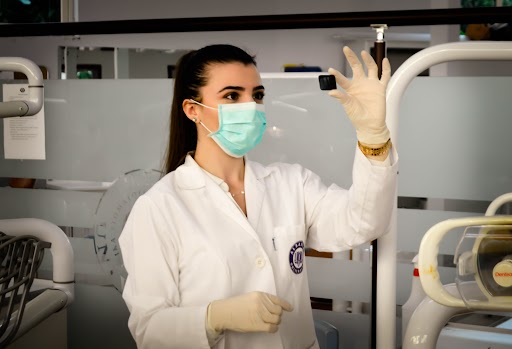
Dental clinics and practices play a vital role in maintaining individuals’ oral health. They provide a wide range of services, from regular check-ups and cleanings to more complex procedures such as fillings, extractions, and oral surgery. Dental clinics typically employ a team of professionals, including dentists, dental hygienists, and dental assistants, who work together to provide high-quality care to patients.

One of the biggest challenges that dental clinics face is maintaining a stable workforce. Transitions in staff can disrupt the continuity of care and negatively impact the patient experience. This is where staffing solutions come in. Secure Healthcare Solutions is a company that provides staffing support to dental clinics, helping them to manage staff transitions more easily.

Secure Healthcare Solutions provides staffing solutions to small independent practices, community clinics, large corporate groups and hospitals, prisons, and the Ministry of Defence. Their goal is to provide an ethical and trusting working relationship with both clients and staff in order to ensure that patients continue to receive the best service possible. They offer an extensive list of dental professionals across the UK and can quickly provide the right candidates for roles such as hygienist, dental nurse, or other dental positions.

Having the right staff in place is crucial for the smooth operation of a dental clinic. Dental hygienists and dental assistants play an important role in maintaining patient comfort and assisting the dentist during procedures. Dental hygienists typically perform tasks such as teeth cleanings, taking x-rays, and educating patients on how to maintain good oral health. Dental assistants help the dentist by preparing and sterilizing instruments, taking patient histories, and providing other support as needed.

Dental professionals also have a responsibility to stay current with the latest advancements in their field. They should be familiar with new technologies and techniques, as well as the latest guidelines for infection control and patient safety. This requires ongoing professional development, which can be provided through continuing education courses and other training programs.

In conclusion,

Dental Clinics and practices are an essential part of the healthcare system. They provide a wide range of services that help people maintain good oral health. Dental clinics rely on a team of professionals, including dentists, dental hygienists, and dental assistants, to provide high-quality care to patients. However, maintaining a stable workforce is a significant challenge for dental clinics.

Secure Healthcare Solutions can help dental clinics manage staff transitions more easily and provide the right candidates for various dental roles. With the right staff in place, dental clinics can focus on delivering the best care to their patients.


Managing Challenging Behaviour when working in a healthcare sector

Challenging Behavior in healthcare is extremely upsetting for everyone. Most of the time, difficult behaviour and attitude are signs of a problem. This kind of person can’t say what they want in a clear way. It can mean that you are worried, scared, or upset. Employers like us have structures in place to safeguard our employees, carers, and clients from this, and we provide the best practices for challenging Behavior to our carers very well, so they know what to do in every situation.

But it is never okay for carers to be mistreated at work, no matter what the reason is. We offer help so that you can always reach us if you need to. We’ve put together some challenging behavior resources for care staff and carers on how to handle them in a care setting in below.

What type of challenging Behavior can you face?

Changes in behaviour include doing the same thing over and over again, hoarding, and getting physically or verbally aggressive.

It’s important to pay attention to a person with dementia’s changes in mood or behaviour and figure out what might have caused them.

Some things that might change in your behaviour or mood are:

  • Tries to hurt yourself
  • Aggression aimed at carers
  • Aggressive behaviour toward other sick people or family
  • Fear and paranoia that is very strong

These are some things you might notice about people whose actions are hard to deal with. It’s also important to point out that a patient’s behaviour can make it hard for them to do and join in with regular activities. In this situation, it’s essential to work with them to improve how they communicate with the people around them so they feel safe where they are.

Reasons why they behave like that:

Even if you can’t see the source of someone’s stress, that doesn’t mean it isn’t making them feel bad. As we’ve already said, challenging behaviour can be happened by a number of different things that cause stress. Stressors can be things that bother the senses, like lights that are too bright, noises that are too loud, temperatures that are too hot or too cold, or tags on clothes that are too tight or too loose. They can also be things that bother the body, like injuries, illnesses, or reactions to new medications, including mental health conditions, dementia or emotional trauma.

Communication is the best way to solve their issues easily:

Communication is one of the best healthcare techniques to connect with them. It lets us show how we feel and gives us the power to connect with each other. Remember that even difficult behaviours are a way of talking. They mean, “I’m not happy, comfortable, healthy, or safe.”. They can’t talk to anyone about their situations and current conditions. So, if you want to communicate well in an emotionally charged situation, it’s best to avoid harsh words like “Don’t” and “Stop!” because the person may not be able to stop what they’re doing, both physically and emotionally, and this could make the situation worse. If the issue is with how people talk to each other, it can make the patient angry and cause them to act up. If the patient sees that what they do leads to what they want, they will eventually do it again and again.

Instead, be clear about how you feel. For example, you could say, “I know you’re upset, but when you do share with me, I feel worried.” You could also say, “If you could please do that thing, it would help me a lot.”

Now, we’ll learn about some challenging behavior resources which will be offered to you for the best healthcare support for patients:

Cerebral palsy management

People who need Cerebral palsy care are also needed kinds of care and help. For example, problems with bones and joints can get worse, which can make it hard to move. It’s important to keep seeing your care team for regular checkups for the rest of your life. Many people with cerebral palsy also have trouble seeing, hearing and feeling.

Dementia Management

The most important parts for people who need dementia care are based on the following priorities:

  1. A safe place to live and protection from harm and injury.
  2. The ability to take care of basic needs on their own.
  3. Learning and starting to learn memories, roles, and skills d. Getting enough food and taking care of health, e. Changing the way people act (agitated, restless clients)

Patient Behavior Management

Patient Support Programs (PSPs) are an umbrella term for the projects that drug companies run to make prescription drugs easier to get, use, and stick to. Healthcare professionals (HCPs) who understand patient behaviour and behavioural models and frameworks can make better patient support programmes that meet their patient’s needs. HCPs can empathise with their patients and talk to them better when they know how their illness affects them physically and mentally, as well as how they act when they are sick.

If you understand how a patient acts and use that knowledge, you can get the patient to stick to the treatment plan, which can lead to effective and effective treatment. Models and frameworks of patient behaviour can be used to make changes to the treatment plan that will help the patient stick to it. Pharmaceuticals can make better treatment systems that meet patients’ needs better and let them take better care of themselves. The service connects people who need help with state and local agencies on ageing and community-based organisations that help older people and the people who care for them.

Mental Health Management

Teams of Mental healthcare experts with great healthcare strategies expertise work together to give patients the best medical support. Our goal is to give each patient the healthcare support which you need. We have many different kinds of patient support programs that are made to fulfil every patient where they would be.

Our Mental Health Management offers workshops that are fun and informative and help and empower the people who attend them.

Learning disability management

A neurological condition called a learning disability affects how the brain sends, receives, and processes information. Children with learning disabilities might find it hard to read, write, speak, listen, understand math concepts, and understand things in general. Some examples of learning disabilities are dyslexia, dyspraxia, dyscalculia, and dysgraphia. Each kind of disorder can happen at the same time.

A child who’s had trouble learning needs as much extra help as he or she can get. It’s important to understand a child or where he or she is having trouble. Depending on where the child is having trouble, teachers and specialists can help the child in a good way.

We find out what the children are good at and help them to use those skills. For example, if indeed the child is a good student, the best way to help them learn would be to teach them or help them research with the help of visual cues.

Caregivers

As a carer for a parent, partner, or young person with special needs, you may also need information about ageing and community-based organisations that help older people and their carers. Our Caregivers are like family members who help older people, people with disabilities, or people with long-term health conditions in their communities without getting paid. As caregiver support, you will have to help with things like getting dressed and taking care of medicines. They often help care recipients feel better emotionally and give them company.

What to do if you face Challenging behaviour?

  • Stop for a moment and breathe deeply.
  • Try to stay calm. This is an essential point to do. Some behaviours are very disturbing or upsetting to see, and the person you have been caring for will also find these behaviours upsetting.
  • Speak clearly and slowly, and tell them what you plan to do to help.
  • Figure out what’s going on. Remember, don’t put yourself in danger.
  • Respect and dignity are always the best treatment for patients. They may not be able to stop what they’re doing at that moment, for example, if they are too busy.
  • Don’t rush the person. Move and act calmly. For example, whether they are stressed out or getting angry, don’t go up to them. Instead, sleep in the same room or a safe distance away and try to talk to them calmly.

Why is this important?

Basically, Home Care, respect, dignity, and compassion are some of our most important values. We think that our skilled carers of challenging behavior management seem to be our biggest asset. Being a great care provider means knowing how to take care of clients even when things are hard.

Conclusion-

Healthcare staff have a duty to take perfect steps to prevent or lessen any harm that could come from an employee’s bad behaviour. This means setting up a way to communicate in an emergency and a structure and set of rules for how to handle such situations.

Staff members are expected to follow best practices for challenging Behavior about how to deal with bad behaviour and keep themselves and others healthy and safe.

What you need to know about Sepsis as a Nurse!

Sepsis causes the deaths of normally 5 per hour in the UK and an exceptionally large number worldwide. Sepsis is still one of the many diseases that can kill an overall healthy adult within hours. Our specialised trained nurses here at Secure Healthcare Solutions are well trained in all aspects of care and can provide a tailored service of care to you or your loved ones.

The key symptoms are confusing such as not passing urine as normal, they have temperatures either high or low; shivering uncontrollably and having the sweats; cold/blotched legs and arms. When faced with symptoms like these, becoming worse, a set of observations should be taken promptly.

Some of these symptoms can indicate shock and organ failure due to sepsis.

There are 2 significant factors of shock that can develop when you get sepsis:

Cold Shock

  • Cardiac output decreases due to sepsis-included dysfunctions the heart and the cardiovascular system
  • Initial constriction of small blood vessels may cause falsely reassuring normal blood pressure (it’ll be known in the fast heart rate)
  • Dropping in blood pressure
  • Your skin becomes blotchy/clammy and cold
  • The low cardiac input and result into the patient going into cardiac arrest

Warm Shock

  • Skin flushes due to sepsis-included dilation (small blood vessels)
  • Increases heart rate which maintains the increased cardiac output
  • Blood pressure will normally rise
  • Hypotensive cardiac arrest

Young children and infants and elderly people may have a non-specific symptom of sepsis which can be hard to diagnose but are rapidly progressive, with a high risk of death. Babies and young children can often show an advance state of shock. Patients or service users with known infections such as chest infections etc or risk factors due to underlying conditions are particularly vulnerable.

Risk assessment and good basic observations are the best way to find out if the patient has sepsis or if they just have a simple infection. If the patient or service user looks seriously ill, consider sepsis, and report a review to be held with clinical team.

Health professionals should retain they key symptoms, ensure early diagnosis, effective communication, and quick and simple treatments so that patients’ chances of survival increase.

Secure Healthcare Solutions will be able to provide top quality care to you or your family members. We have complex trained nurses based around Northampton, Nottingham, Leeds, Coventry, Manchester, Worcester, Peterborough, Hereford, Northampton.

Our specialised trained nurses will be able to accommodate your in-home care whether its 24-hour support to a few hours a day. Secure Healthcare Solutions can provide it for you.

To find out how we could support you click the link below:

https://securehealthcaresolutions.co.uk/

Benefits of being an agency nurse

At Secure Healthcare Solutions we often get permanent registered nurses who contact us looking to move forward with our agency. Most of the time nurses can be a little hesitant about coming into an agency nurse role. Stepping away from the familiarity and security of a permanent position can put a lot of registered nurses off but this shouldn’t.

One of the benefits of being an agency nurse is that when you’re registered the pay rates are often better. Hourly rates are higher in comparison to permanent bank staff members. This is normally 66% more than bank staff which is considerably higher.

Secondly, bank holidays can be higher especially if you are a registered nurse like working long days making your earnings incredibly higher. But these can be on a last-minute basis. Clients often compensate agency nurses for this and the possibility for this and that a shift may be canceled. Hence why there are a lot of registered nurses tending to work with an agency such as Secure Healthcare.

Sometimes it doesn’t always go to plan. Has an agency canceled on you last minute? If you are happy working days and nights and weekends and don’t matter if you work in different locations then being a flexible agency nurse is for you!

You can work with different trusts with whoever you want if you don’t like working in one environment.

Working as an agency nurse it is known that the work-life balance is immaculate which is very important, where you can fit your family and lifestyle around your work.

As an agency nurse, you simply conduct your shift and then go home after your handover, there is less stress being put on rather than a bank staff permanent nurse.

This is due to bank nurses generally getting worked to the point of getting burnt, especially during the COVID-19 pandemic. In comparison as an agency nurse, the pressure is extremely less.

As an agency registered nurse, there is no additional stress or workload that comes with being a permanent member of staff working directly for trust, which may include doing external admin tasks such as stock filling, emailing the CCG, and dealing with complaints.
Another key benefit of working as an agency nurse is that you get more flexible hours, you can work long days, short days, nights, and weekends whenever you want to work around your home lifestyle.

Working In different environments instead of one environment will let you socialize more with other people not just one set of a team. Another reason why Registered nurses tend to work with agencies instead of permanent bank staff.

What’s the next step become an agency nurse?

If you are interested in changing your career and would like some additional advice on what opportunities Secure Healthcare Solutions has to offer, Get in Contact Today!

Secure Healthcare Solutions has many positions from Registered Nurses to Mental Health Nurses!

Click the link below to find out what we have to offer or give us a call for more advice!

https://securehealthcaresolutions.co.uk/jobs/

0121 285 9449

Secure Healthcare’s top tips to look after your Mental Health

Secure Healthcare Solutions is a healthcare provider to Mental Health service users and Mental Health private hospitals, we have many cross-trained staff who have the ability to help you

Secure Healthcare understands that mental health is a topic that is not talked about much and we are here to help with some top tips to look after your Mental Health!

  • 8 in 100 people suffer from mixed anxiety and depression
  • 6 in 100 people suffer from generalized anxiety disorder (GAD)
  • 4 in 100 people suffer from Post-Traumatic stress disorder (PTSD)
  • 3 in 100 people suffer from depression
  • 2 in 100 people suffer from a phobia
  • 1 in 100 people suffer from Obsessive- Compulsive disorder (OCD)
  • 1 in 6 Children aged 5-16 is likely to have a mental health problem
  • 12.8% of young people ages 5-19 meet clinical criteria for a mental health disorder

If there are times you think that you are feeling negative due to your mental health being at a low point, have a break!

  • Have short breaks from the news
  • Turn off notifications on your phone
  • Mute your social media accounts
  • Limit your news intake

After you’ve had a break for your mental health, question yourself, “How do I feel now” If you find that the break had helped you, continue to do this in portions of your time!

Looking after your mental health is a key factor to keep a healthy body as well!

Mental Health

Secure Healthcare Solutions recommends that having a healthy sleep routine, movement into your day keeping active, eating healthy foods, spending quality time with loved ones also connecting with nature helps the reduction of stress.

Implementing these into your day or even weekly routine will help the benefits of looking after your mental health.
Bottling things up also can affect your mental health. When you start feeling overwhelmed, try reaching out for support, there are many organizations that help such as Samaritans helpline which you can call on 116 123 (UK)
Secure Healthcare Solutions provides support to individuals who suffer from mental health problems such as Learning Disabilities, autism, and behavior support. We offer support in the community for adults and for children. We range from a minimum of 6 hours of support to 24-hour support.

How does Secure Healthcare Solutions support Individuals with Mental Health?

Secure Healthcare Solutions services range from a community support or activity support we provide staffing solutions with a “Buddy” service to help you rehabilitate back to the community and help support you with your mental health needs.

Our locations where we support are:

  • Mental Health Care Wolverhampton
  • Mental Health Care Birmingham
  • Mental Health Care Dudley
  • Mental Health Care Walsall
  • Mental Health Care Sandwell
  • Mental Health Care South Stafford

For more information click the link to our website or give us a call to see how we can support individuals who suffer from Mental Health:
https://securehealthcaresolutions.co.uk/what-we-do/
0121 285 9449

The health effect coffee has on the heart for Health Care Assistants

The morning cup of coffee is what a lot of people look forward to when they wake up especially as Health Care Assistants working 12-hour shifts. When you still feel groggy in the morning to give you that boost through the morning a good cup of coffee will sort you out to work in either your hospitals, community sector, nursing homes, or private hospitals.

You are not alone!

In America, 80% of Americans drink coffee every day.

But do you think drinking coffee is bad for you?

The majority of people say that when drinking coffee, their heart feels weird. They may feel things such as your heart racing, heart palpitations, or an increased heart rate. Does this mean Coffee is Bad for you?

Coffee is actually full of health benefits, according to the collection of cardiology, drinking two to three cups of coffee per day is associated with maintaining a healthy heart.

Having two to three cups of coffee a day has a neutral effect, this means that it didn’t cause any harm to the health of the heart thus performing to the best of your ability as a healthcare assistant/ Nurse

Cardiovascular improvements were associated with a low risk for:

  • Developing coronary heart disease
  • Heart failure
  • Heart rhythm problems
  • Dying for any reason

If you are a one-cup-a-day coffee drinker, there’s good news for you too, the risk of getting a heart-related death and stroke is lower!

health effect coffee

“Coffee beans actually have over 100 biologically active compounds. These substances can help reduce oxidative stress and inflammation, improve insulin sensitivity, boost metabolism, inhibit the guts absorption of fat, and block receptors known to be involved with abnormal heart rhythms”

Negative effects on the heart from coffee for health care assistants:

Caffeine’s effect on overall health is one of the biggest concerns when it comes to coffee. The caffeine that is in coffee is high, around 100mg per 8-ounce cup.

Caffeine increases the heart rate and blood pressure, and too much of it can cause things such as anxiety, insomnia, headaches, and stomach irritation. Also, caffeine is very addictive. Whilst being on shift as a Healthcare Assistant/ Nurse, drinking a coffee is the only thing that may keep you going as working through your hard shift or to keep you awake

Roughly, around 400mg is the maximum amount of caffeine that someone should consume in one day, which equals around 4 cups of coffee a day.

On the other hand, a lot of people do not normally consume their coffee black, this is where coffee can go from good to bad! Adding the milk or cream and sugar can significantly increase the calorie, sugar, and fat content. This can cause weight gain, diabetes, and increased blood sugar levels which again can lead to heart disease and other health problems.

When drinking coffee think about the benefits and the problems it can come with, and when adding your sweetener, try something besides sugars and creamers!

Secure Healthcare Solutions has many opportunities for Healthcare Assistants and nurses!

Click the link below:

https://securehealthcaresolutions.co.uk/jobs/

Simple Steps for a Healthier life and Heart

Did you know that a heart beats around 100,000 times a day that pumps a rough amount of 2,000 gallons of blood through your body each day?

There are 7 simple steps to follow to improve your lifestyle:

  • Blood Pressure
  • Cholesterol
  • Blood Sugar/Glucose
  • Physical Activity
  • Diet
  • Smoking Status
Managing Blood Pressure:

A high blood pressure level increases the risk of heart disease and stroke. High Blood pressure is also known as hypertension, this is when your blood pressure (the force of blood flowing through your blood vessels, is consistently too high. When your blood pressure remains within the healthy range, you reduce the strain on your heart; arteries; and kidneys which keep you healthier longer. Recommended blood pressure is around 120/80 mm Hg.

Managing Cholesterol

High Cholesterol contributes to plaque which can potentially clog the arteries and lead to heart diseases and strokes. Cholesterol comes from two sources. You make all the cholesterol you need in your liver. The remainder of the cholesterol that is in the body comes mainly from foods directly sourced from animals. For example, foods such as meat, poultry, and full-fat dairy products, all contain cholesterol called dietary cholesterol.

Managing Blood Sugar

Most of the food we tend to eat is turned into Glucose (Blood Sugar) that our bodies use for energy. In due time, high levels of blood sugar can damage your heart; kidneys; Eyes, and nerves. Blood sugar levels rise as a result of diabetes. If your blood sugar is higher than 125 milligrams per deciliter (mg/dL). The first step to managing your blood sugar is to realize and understand what makes your blood sugar levels rise. Carbohydrates and sugars in what you eat and drink turn into glucose in the digestive system and stomach.

healthy life limited mobility

Managing Physical Activity

Maintaining healthy and keeping active is a key factor in a healthier life and a healthier heart. On average an adult should get a weekly total of at least 150 minutes of moderate aerobic activity alternatively 75 minutes of vigorous aerobic activity or potentially a combination of both spread out throughout the week.

Tips for keeping physically active:
  • Strength training
  • Adding Intensity to workouts
  • Not sitting down for too long
Managing your Diet

Having a healthy diet is one of the most beneficial weapons for fighting heart disease. Eating a heart-healthy diet improves your chances of feeling good and staying healthy. Making smart choices with food and having a healthy relationship with food is one of the biggest benefits of a healthier life and heart. It is recommended that make smart choices to build an overall healthy eating lifestyle. Watching calories and eating smaller portions. Try to enjoy, vegetables, fruits, and whole grains foods limit your sweetened drinks, sodium, and processed meats, and Avoid fats and hydrogenated oils!

Managing your Smoking Status

The risk of cardiovascular disease is higher for smokers. If you smoke, quitting smoking Is the best thing you can do and one of the most beneficial ways for a healthier life and heart!

Five reasons to work as a Nurse at Secure Healthcare Solutions!

Nursing can be a very rewarding career, but it comes with so many recruitment paths. Secure Healthcare Solutions understands that is can be hard to find the best route for you. Here at Secure Healthcare Solutions, one of the UK’s most established nursing and care providers, we offer many benefits so you know a Secure Healthcare Solutions career is right for you!

  • We look are you and VALUE you

We understand your PIN is your career. We have a safeguarding team and a quality and care team dedicated to making sure you are as protected as you can be with the support from the office staff. We also with able futures, providing mental health support and with Cavell Nurses Trust to help protect you and to take care of you if you ever come into any hardship.

  • Training

Personal development training is provided free of charge here at Secure Healthcare Solutions. We take care of any financial burdens of your training to make your life a little less stressful as it can be

  • Flexible hours

Want part-time work, full-time, days or nights? Secure Healthcare Solutions can provide all sorts of positions for you as a nurse! We have contracts with care providers across the UK that are continually after staff such as the NHS, nursing homes, and private hospitals, and we offer contracted hours on our Complex Community side. And even if you want to earn more as a Nurse you can pick up additional adhoc shifts.

  • Earn over £3000 a month

If you want to work, Secure Healthcare Solutions has the hours. As a result, our pay rates vary from £20-45 per hour varying from different shifts to different employment types. As we all know we love to see that payslip at the end of week.

Work as a Nurse

  • Referral Schemes

Secure Healthcare Solutions offers up to £500 on our referral scheme, for every successful referral you make!

Sounds good?

If you have a minimum of 6 months of experience in the UK and an NMC pin, get in touch with Secure Healthcare Solutions today and get your career moving!
Secure Healthcare Solutions has nurse positions and many availabilities for our following departments:

  • NHS
  • Complex Care
  • Nursing Home’s
  • Private Hospitals
  • Community

We cover a range of area such as, Wolverhampton, Birmingham, Dudley, Tipton, Stoke-On-Trent, Warwick, Worcester, Shrewsbury, Northampton, Milton Keynes, Daventry, Corby, Solihull, Coventry, Cheshire, Shropshire, Bridgnorth, Ludlow, Hull, Derby, Chesterfield, Crewe, Malvern and many more

To get in contact give us a call today on

0121 285 9449

Or visit our website
https://securehealthcaresolutions.co.uk/

Relaxation Techniques for Healthcare Workers

The pressure has increased on our front-line healthcare workers, especially as a result of COVID-19. Many relaxation techniques have long been prescribed as an effective way to find and release feelings of being tense, having anxiety, and fear.

Below are some facts that are outlined which are a range of rapid relaxation techniques that can be put into practice in the workplace or when you are at home. This may vary for different individuals.

Whole Body Tension:

Tensing everything in your body and holding that tension is a good way to relieve a lot of pressure in your body. Holding your tension for as long as you can and then slowly release the tension gradually and feel it leave your body. Repeating this 3 times can help with the ease of the stress in your body and will make you feel much lighter and freer.

Imagining air as a cloud

Opening your imagination and focusing on your breathing. When your breathing becomes regular, you’ll automatically become calm, imagine that the air you are breathing is coming to you directly from a cloud and in the form as a cloud, this will fill you and then empty you as you release, in some cases, you can imagine the cloud to be a specific color to help ease the tension and keep you relaxed.

Picking a Spot:

When your head is level and your body is relaxed, pick a spot your eyes can focus on (something in your sight) when you are ready count five breaths backward, when taking each breath close your eyes gradually. Concentrate on each breath, when you get to one, your eyes should be fully closed focusing on the feelings of being relaced and tension free.

Counting 10 breaths backwords

Allow yourself to feel passive, allow yourself to feel indifferent, counting each breath in a slow manor from 10 all the way down to 1. With each count, allow yourself to feel heavier each time and relaxed. When you are exhaling, allow all the tension to release, leaving your body nice and relaxed and tension free.

Techniques for Healthcare Workers

Using the 5-4-3-2-1 technique

Using the 5-4-3-2-1 technique is a proven technique to relieve yourself from tension. You will purposefully take in the details from your surroundings utilizing each one of your senses. Striving to notice the smaller details that your mind would usually blank out for example the distant sounds around you or the texture of an ordinary object. This technique is best used when you have more time on your hands as it’s not the quickest of techniques.

5. What are the things you can see? (5 things)
4. What are the things you can feel? (4 things)
3. What are the things you can hear? (3 things)
2. What are the things you can smell? (2 things)
1. What is the thing you can taste? (1 thing)

At Secure Healthcare Solutions we believe that a happy and relaxed workforce who are tension-free is the most adequate way to be working. Will make your work-like balance a lot easier. We take pride in our carers and nurses who work with us.

To join the Secure Healthcare family, click the link below to find out what positions we have available:
https://securehealthcaresolutions.co.uk/candidate-registration/

Would you make a good Complex Carer?

Working as a Complex HCA, the role is more person-centered care and can include working in a service users’ home. Complex conditions can vary from anything which requires clinical support, such as Parkinson’s, acquired brain injuries or a neurological condition. Complex Conditions can also be a condition that requires nursing care as a result in primary conditions such as peg feeds and tracheostomy.

For a Complex Carer role, ideally a minimum of 6 months’ experience in a similar role can benefit you In making a good complex carer, however there is certain personal characteristics that you must have for you to pursue this career option such as:

  • Being Patient and having the ability to remain calm in stressful situations
  • Expressing a caring and friendly personality
  • Endurance
  • Communication skills
  • willing to do personal care

Complex Carer

Working as a Complex Carer has loads of responsibilities, these can vary from regular routines responsibilities but can also change depending on emergency needs such as tracheostomies or suctioning routines. With Complex Service users anything can happen at any time and a trained and experienced complex carer will be able to support the service user with ease.

As a Complex Care Assistant, the responsibilities may consist of:

  • Tracheostomy
  • Peg feeds
  • Spinal Injury
  • Acquired Brain Injury
  • Nebulisers
  • Suctioning
  • Moving and Handling
  • Personal Care
  • Cerebral Palsy
  • Medication Administration
  • Motor Neurone Disease
  • Gastronomy Care
  • Catheter Care
  • Bowel Care
  • Stoma Care
  • And many more

How can Secure Healthcare Solutions help?

At Secure Healthcare Solutions, we require 6 months minimum experience and provide full training to upskill you and for you as a Complex Carer to keep up to date with your training and your own skills.

Secure Healthcare Solutions always offers shadow shifts before getting you out to work so you have a feel on how the service user works and what their routine is. Going forward form your shadow shift a member from our inhouse clinical team will come out to support you and go through competencies and sign you off, by our clinical team doing this it allows you to work on the package and eventually you will have the opportunity to progress into being team leaders of the package and being a senior.

Secure Healthcare Solutions always have plenty of positions as a Complex Healthcare Assistant. As a UK’s leading nursing and staffing agency we work closely with the Care Commissioners Group (CCG) we always have the opportunity to provide services of care to either you or your family.

A quote from one of Complex Care Assistant

“Throughout my job I have to assess the needs of our service users to ensure tailored quality personal care is provides, listening to people is important, it Is vital that I communicate with service users, family members of those that I am providing care for and also with healthcare professionals to ensure that quality care and support is provided. Ever since the Covid 19 pandemic, it is also important that I use appropriate PPE to protect myself and others from Covid 19. This is done by me wearing gloves, aprons and using face masks and disinfecting surfaces when necessary”

To find out what positions we have available in our Complex Care department click on the link below:
https://securehealthcaresolutions.co.uk/jobs/