Loading Jobs...

Blog

Susie Henley leads the free online course “The Many Faces of Dementia”, run by University College London (UCL). Here she explains the course and how you can sign up to learn more about rarer forms of dementia.

Susie Henley

Did you know that some forms of dementia can affect how people see the world around them? Or that they can cause problems with language and communication rather than just memory?

UCL’s popular, free online course, “The Many Faces of Dementia,” can teach you more about the lesser-known aspects of dementia.

The course uses videos from people with dementia, as well as discussions and articles from leading clinicians and researchers in the dementia field, to shed light on aspects of dementia that may come as a surprise.

It’s accessible, with jargon-free information; the online platform FutureLearn also means that you can dip in and out when you have time. You can complete the whole course by spending about two hours a week on it over the four-week run.

It’s a very sociable forum, with many learners commenting on the various steps and supporting each other as they learn about each other’s stories and reasons for being there.

Different aspects of dementia

Each week tackles a different aspect of dementia.

In week one, the course looks at Familial Alzheimer’s disease (FAD), rare forms of Alzheimer’s disease that are inherited, and how this affects the whole family. It also explores how research with members of these families has been enormously helpful in understanding the more common, non-inherited forms of Alzheimer’s disease.

Week two covers frontotemporal dementia (FTD), an umbrella term for a lesser-known cluster of young-onset dementias that can affect social skills and behaviour or language. In these forms of dementia, memory is relatively preserved in the early stages, so it’s very different to what most people think of as ‘dementia’. Often people with these forms of dementia have struggled to get a diagnosis and to understand what’s going on.

In the third week, we look at dementia with Lewy bodies (DLB), and typical features of this. This includes seeing things that aren’t there (hallucinations) or believing things that aren’t true (delusions). These symptoms can occur in other types of dementia, but tend to be a defining feature in dementia with Lewy bodies. We hear from families living with this dementia, and the professionals who try to help manage and minimise the impact of hallucinations.

Finally, week four talks about Posterior Cortical Atrophy (PCA), the rare variant of Alzheimer’s disease that author Terry Pratchett had. The course uses videos and pictures to show what life is like for someone with Posterior Cortical Atrophy, whose brain can no longer process visual and spatial information correctly.


Useful information for everyone

Whilst the course focuses on rarer dementia types, it’s also relevant to anyone working or living with people with all types of dementia. People with the more common forms of Alzheimer’s disease and vascular dementia can also experience these sorts of symptoms at some point.

Learners to date have been a mixture of professionals, family members, students and people with dementia. We’ve had lots of very positive feedback about how useful the new information they’ve gleaned from the course is, and how they’ve learned from each other too.

Expert staff from UCL also pop in to answer questions and comments during the week; there is a special ‘Q&A’ feature at the end of each week, where the most popular learner questions are answered online every Sunday night.

So if you are interested in exploring a bit more about these sides of dementia, or you know someone who is, encourage them to sign up and have a look.

Looking for a career with legs? Here’s why healthcare is a great choice. If you’re passionate about helping people, finding a job in the healthcare industry can be one of the most rewarding career choices there is. Don’t believe us? Here are ten reasons that prove healthcare could be a step in the right direction for your career:

You’ll be in demand!

Healthcare is the fastest growing job sector in the workforce. With potentially fewer candidates from the EU and more existing staff retiring, it will be crucial for the NHS and social care sectors to attract more younger people.

  • The Royal College of Nursing says England is currently short of at least 20,000 nursing staff.
  • The Royal College of Midwives says the country needs 3,500 more midwives.


Healthcare pays

To attract the best candidates and professionals, healthcare providers and some care agencies offer high pay packages to recruit and retain the best care staff.

Choices, choices, choices

There are lots of different opportunities in healthcare – something for everyone. You can work in med tech, labs, or directly with patients in hospitals,care homes, clinics, nursing homes or private care agencies.

Get a free education

You can get free training or even all your education paid for. Due to the staffing shortages in the industry, you can find employers and government scholarships to cover your educational costs.

You’ll feel needed

Working in healthcare make a difference in people’s lives. Caring for people and helping others lead healthy lives is satisfying and important.

Meet different people

Healthcare workers interact with different people everyday, including patients, doctors, medical staff. In some fields, you’ll interact with researchers, technology experts, or scientists.

Health care is exciting

You never know what’s going to happen, and have to stay one your toes, solve problems and make good decisions. Every day is different.

You can move up

There are lots of opportunities for advancement in healthcare. You can get promoted or move up to related healthcare fields that pay more. A Band 9 Nurse pay package can easily reach the : £78,629 – £99,437 mark.

Variety

You can change specialities. If you’re interested in paediatrics, complex care , mental health , dementia, you can move into those areas when the opportunities arise.

It’s a fast-paced environment

Filled with challenges, and offering the chance to work with people from all walks of life, there’ll never be a dull day in this industry.

By solving each individual problem in whatever way your job allows, you’ll experience a sense of variety and know that you’re working towards a good cause. Teamwork is a big part of the job too, and you’ll get great job satisfaction knowing you’re working towards a meaningful joint goal with your colleagues. If you’re sick of being bored at work or feeling like your job has no real purpose, finding your perfect position in the healthcare industry could be the perfect antidote.

You have many options for a career in healthcare, the fastest growing field today. Get free information from great schools today!

View all available healthcare jobs now.

Secure Healthcare Solutions is proud to support Wolves Community Trust during the 2017/18 season.
Wolves Community Trust, the registered charity of Wolverhampton Wanderers FC, supports the local community through delivering projects relevant to sport, health, education, inclusion and community donations.
We have teamed up with the trust to bring the fantastic sport of walking football to people in and around Wolverhampton. The aim of walking football is to help older people, or those with limited mobility, remain active and fit, while still pursuing their love for the beautiful game in a fun and sociable environment.
Each year, the projects delivered by Wolves Community trust reach around 25,000 local residents of all ages, genders, socio-economic and ethnic demographics. Over 4,000 participants are engaged in sports programmes alone, with over 85 weekly sessions being delivered to the communities.
For further information about the great work Wolves Community Trust does, and to find out more about walking football sessions, visit www.wolvescommunitytrust.org.uk/.

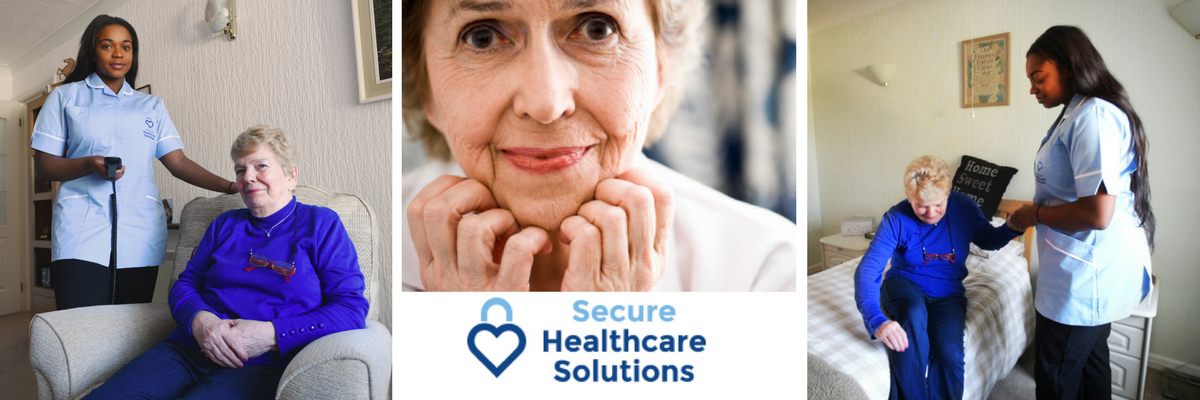
Secure Healthcare Solutions Albrighton provides bespoke and high quality care at home and support so you can enjoy a personalised home care service built around your needs.

Living independently at home is something most of us would like to do for as long as possible. When that time comes to make the decision to ask for extra support to continue to live independently as much as possible, our home care services are tailored for exactly that.

Our trained caring friendly staff have your Dignity and respect at the forefront of delivering personalised care in the comfort of your own home. When providing home care for yourself or a family member or friend, we take the time to get to know you and make sure you are continually happy with the care you received and the staff that support you.

Home care can be arranged on an hourly, daily, weekly basis or a much longer plan to suit your needs. We provide in-home care and support services to people so they can live as independently as possible in their own homes and communities. We support people to live life the way they choose.

The best person to know what support you need to remain as independent as possible in your own home is you. That is why everything we do is designed around your needs and goals. These can be relatively simple like help with shopping through to high dependency 24 hour care.

  • Housekeeping
  • Personal care
  • Domiciliary care
  • Companionship
  • Support with information and advice
  • Housing support
  • High dependency care
  • Live-in care
  • Respite care
  • Medication management
  • Hospital to Home service
  • Complex and specialist care

Let us help you get the care you need for the life you want.

If you are from Albrighton and wish to learn more about how we can support you, please contact us and let one of our advisers come to see you and your family for a more detailed plan on how we can support you.

Depression drains your energy, hope, and drive, making it difficult to do what you need to feel better. But while overcoming depression isn’t quick or easy, it’s far from impossible. You can’t just will yourself to “snap out of it,” but you do have more control than you realise – even if your depression is severe and stubbornly persistent. The key is to start small and build from there.

Whether you suffer from depression , high level of anxiety or you just don’t quite feel your usual perky self, don’t suffer in silence – there are lots of ways you can increase your positivity and well-being. Depression doesn’t just affect your patients; although we know that can be easy to forget when you’re busy taking care of them (which is pretty much always). The truth is, medical staff, carers and nurses are just as prone to depression and changes in mood and feelings as anybody else, even if (or perhaps especially because) the majority of that time is spent in the hospital or healthcare establishments.

The anxieties that these jobs can bring on are brought on by many things including:

  • Feeling inadequate or incompetent as a new member of staff.
  • Being reprimanded by a supervisor or manager about something you did or didn’t do.
  • multiple and fast changes in shifts make it difficult to support.
  • Not being able to complete all of your tasks in time.
  • Dealing with a declining patient when you have multiple others to take care of.
  • Dealing with difficult families that are never pleased.
  • Taking care of demanding patients.
  • Bullying within this profession.
  • Being afraid to ask questions.
  • Dealing with difficult doctors.
  • Receiving report on a hard patient.
  • Going to bed and dreading going to work the next day because of a negative environment

Feeling better takes time, but you can get there if you make positive choices for yourself each day.

Rule 1: Reach out and stay connected

When you’re depressed, the tendency is to withdraw and isolate. Even reaching out to close family members and friends can be tough. Compound that with the feelings of shame and the guilt you may feel at neglecting your relationships.

But social support is absolutely essential to depression recovery. Staying connected to other people and the outside world will make a world of difference in your mood and outlook. And if you don’t feel that you have anyone to turn to, it’s never too late to build new friendships and improve your support network.

Six tips for reaching out and staying connected:

Talk to one person about your feelings

Help someone else by volunteering

Have lunch or coffee with a friend

Ask a loved one to check in with you regularly

Go for a walk with a workout buddy

Meet new people by taking a class or joining a club

Rule 2: Do things that make you feel good

In order to overcome depression, you have to do things that relax and energise you. This includes following a healthy lifestyle, learning how to better manage stress, setting limits on what you’re able to do, and scheduling fun activities into your day. While you can’t force yourself to have fun or experience pleasure, you can push yourself to do things, even when you don’t feel like it. You might be surprised at how much better you feel once you’re out in the world. Even if your depression doesn’t lift immediately, you’ll gradually feel more upbeat and energetic as you make time for fun activities.

Aim for eight hours of sleep. Depression typically involves sleep problems; whether you’re sleeping too little or too much, your mood suffers. Get on a better sleep schedule by learning healthy sleep habits. Expose yourself to a little sunlight every day. Lack of sunlight can make depression worse. Take a short walk outdoors, have your coffee outside, enjoy an al fresco meal, people-watch on a park bench, or sit out in the garden. Aim for at least 15 minutes of sunlight a day to boost your mood. If you live somewhere with little winter sunshine, try using a light therapy box. Practice relaxation techniques. A daily relaxation practice can help relieve symptoms of depression, reduce stress, and boost feelings of joy and well-being. Try yoga, deep breathing, progressive muscle relaxation, or meditation.

Come up with a list of things that you can do for a quick mood boost. The more “tools” for coping with depression, the better. Try and implement a few of these ideas each day, even if you’re feeling good:

  • Spend some time in nature
  • List what you like about yourself
  • Read a good book
  • Watch a funny movie or TV show
  • Take a long, hot bath
  • Take care of a few small tasks
  • Play with a pet
  • Talk to friends or family face-to-face
  • Listen to music
  • Do something spontaneous

Rule 3 : Move vigorously during the day

When you’re depressed, just getting out of bed can seem like a daunting task, let alone working out! But exercise is a powerful depression fighter – and one of the most important tools in your recovery arsenal. Research shows that regular exercise can be as effective as medication for relieving depression symptoms. It also helps prevent relapse once you’re well. To get the most benefit, aim for at least 30 minutes of exercise per day. This doesn’t have to be all at once—and it’s okay to start small. A 10-minute walk can improve your mood for two hours.


Your fatigue will improve if you stick with it. Starting to exercise can be difficult when you’re depressed and exhausted. But research shows that your energy levels will improve if you keep with it. You will be less fatigued, not more, once it’s part of your routine. Find exercises that are continuous and rhythmic. The most benefits for depression come from rhythmic exercise- such as walking, weight training, swimming, martial arts, or dancing—where you move both your arms and legs.

Rule 4 : Eat a healthy, mood-boosting diet

What you eat has a direct impact on the way you feel. Reduce your intake of foods that can adversely affect your brain and mood, such as caffeine, alcohol, trans fats, and foods with high levels of chemical preservatives or hormones (such as certain meats).

Don’t skip meals. Going too long between meals can make you feel irritable and tired, so aim to eat something at least every three to four hours.

Minimise sugar and refined carbs. You may crave sugary snacks, baked goods, or comfort foods such as pasta or French fries, but these “feel-good” foods quickly lead to a crash in mood and energy. Aim to cut out as much of these foods as possible.

Boost your B vitamins. Deficiencies in B vitamins such as folic acid and B-12 can trigger depression. To get more, take a B-complex vitamin supplement or eat more citrus fruit, leafy greens, beans, chicken, and eggs.

Rule 5 : Always challenge negative thinking

Do you feel like you’re powerless or weak? That bad things happen and there’s not much you can do about it? That your situation is hopeless? Depression puts a negative spin on everything, including the way you see yourself and your expectations for the future.

When these types of thoughts overwhelm you, it’s important to remind yourself that this is the depression talking. These irrational, pessimistic attitudes—known as cognitive distortions—aren’t realistic. When you really examine them they don’t hold up. But even so, they can be tough to give up. Just telling yourself to “think positive” won’t cut it. Often, they’re part of a lifelong pattern of thinking that’s become so automatic you’re not even completely aware of it. Once you identify the destructive thoughts patterns that you default to, you can start to challenge them with questions such as:

“What’s the evidence that this thought is true? Not true?”

“What would I tell a friend who had this thought?”

“Is there another way of looking at the situation or an alternate explanation?”

“How might I look at this situation if I didn’t have depression?”

As you cross-examine your negative thoughts, you may be surprised at how quickly they crumble. In the process, you’ll develop a more balanced perspective.

Rule 6: know when it’s time to get professional help

If you’ve taken self-help steps and made positive lifestyle changes and still find your depression getting worse, seek professional help. Needing additional help doesn’t mean you’re weak. Sometimes the negative thinking in depression can make you feel like you’re a lost cause, but depression can be treated and you can feel better!

Don’t forget about these self-help tips, though. Even if you’re receiving professional help, these tips can be part of your treatment plan, speeding your recovery and preventing depression from returning.

Rule 7: know when it’s time to move on

Working in a bad environment , dealing with a bad employer, living with a stressing job could be the main reason why you have depression in the first place, so getting ready to move on , a change of career , profession , or working with a more flexible and friendly employer are just the key to your happiness and improving your depression condition , leaving a job after years of work is challenging but the rewards could be huge if this leads to a better and balanced life.

Secure Healthcare Solutions Penkridge provides bespoke and high quality care at home and support so you can enjoy a personalised home care service built around your needs.

Living independently at home is something most of us would like to do for as long as possible. When that time comes to make the decision to ask for extra support to continue to live independently as much as possible, our home care services are tailored for exactly that.

Our trained caring friendly staff have your Dignity and respect at the forefront of delivering personalised care in the comfort of your own home. When providing home care for yourself or a family member or friend, we take the time to get to know you and make sure you are continually happy with the care you received and the staff that support you.

Home care can be arranged on an hourly, daily, weekly basis or a much longer plan to suit your needs. We provides in-home care and support services to people so they can live as independently as possible in their own homes and communities. We support people to live life the way they choose.

The best person to know what support you need to remain as independent as possible in your own home is you. That is why everything we do is designed around your needs and goals. These can be relatively simple like help with shopping through to high dependency 24 hour care.

  • Housekeeping
  • Personal care
  • Domiciliary care
  • Companionship
  • Support with information and advice
  • Housing support
  • High dependency care
  • Live-in care
  • Respite care
  • Medication management
  • Hospital to Home service
  • Complex and specialist care

Let us help you get the care you need for the life you want.

If you are from Penkridge and wish to learn more about how we can support you, please contact us and let one of our advisers come to see you and your family for a more detailed plan on how we can support you.

With offices in Wolverhampton, Birmingham, Milton Keynes, Northampton , Coventry , Stoke. Stafford , Dudley, Worcester and London, our Nursing Teams have relationships with a huge number of healthcare providers. Whether you’re looking for nurse jobs just round the corner from where you live or further afield, we’ll find the right role for you.

Our relationship with private healthcare providers, NHS mean that we can offer a wider variety of settings to our candidates. Not only general Nurse jobs but also specialist roles such as ITU nursing, Theatre, ODP/ODA, RSCN and pediatric on a temporary and permanent basis.

Competitive pay rates and weekly payments

Rewarding the best; in a rewarding career – We care about and support all our employees. To attract the best candidates, our pay rates are amongst the highest in the industry.

Personalised support

Our Clinical Lead Nurse is here to provide expert advice – from identifying additional training to supporting you to write a reflective statement. We’ll also help you create a Continuing Professional Development Plan.

Training

To enable you to start working as quickly as possible we offer a choice of online modules, in house training or practical training with one of our accredited partners. We’ve recently added a one day Managing and Preventing Aggression (MAPA) course to our in-house options.

Other Benefits of working with Secure Healthcare
– Flexible shifts
– Regular shifts
– Block bookings
– Online timesheets
– Dedicated Consultant
– Refer a friend scheme
– Free Uniform
– Meet and Greet (First Shift)
– Internal Taxi Service for shifts
– Onsite Financial Advice

Looking for a Nursing Job ? … Look no further !

Secure Healthcare can ensure General and Specialist Nurses are placed in a setting that meets their skills, wants and desires on a temporary or permanent basis.

  • Registered General Nurses
  • Registered Mental Health Nurses
  • Registered Learning Disability Nurses
  • Advanced Nurse Practitioner
  • Practice Nurse
  • Pediatric Nurse
  • Complex Care Nurse
  • Theatre Nurse
  • A&E Nurse
  • Dialysis Nurse
  • Palliative Care Nurses
  • School Nurses
  • Prison Nurses
  • Respiratory Nurses
  • Community Nurses

Register with one of the fastest growing nursing agencies in West Midlands

There has never been a better time to join Secure Healthcare Solutions in a full or part time nursing job.

When you’re looking for a new job, one of the first things you ask yourself is, how much does it pay? – Most job-seekers want to improve their salaries when they’re applying for a new role – and there are lots of well-paid healthcare jobs that offer more money per hour.

Operating Department Practitioner

Salary: £27 – £36 per hour

Duties will often include:

Preparing the operating theatre and equipment, such as drips, instruments, dressings and swabs etc

  • Making sure specialist equipment is available for specific procedures
  • Monitoring theatre cleanliness to meet CQC standards
  • Ordering and rotating single or multiple use items of stock and drugs
  • Providing the surgical team with the items they need during an operation
  • Monitoring instruments
  • keeping accurate and confidential records.
  • Your work may also involve assessing patients before allowing them to join a surgical ward and reviewing the care they have received at each stage.

Job Requirements

  • Registered with the HCPC
  • Eligibility with HCPC
  • At least 6 months experience within the last 5 years working as an ODP
  • Documentation evidencing your immunisation records

For more information: Click here


Band 6 Registered General Nurse

Salary: £29 – £38 per hour

Duties will often include:

  • Ensure the highest possible standards of care, assessing residents’ needs and wishes, and developing services to enhance their quality of life.
  • Champion appropriate independence and personal choice; developing, reviewing and updating care plans to meet our residents physical, social and psychological needs.
  • Oversee all aspects of medicine management on your shift – ensuring medicines are appropriately received, stored and administered, in accordance with company policies and current legislation.
  • Build the positive reputation of the Business; liaise professionally with visitors and other external stakeholders.
  • Ensure all elements of resident experience are positive, from admission to discharge.
  • Participate knowledgably and professionally to all inspection visits, ensuring your team is ready at all times to do the same.
  • Ensure compliance with all legal, regulatory and best practice guidelines – identify, investigate and resolve risks proactively.
  • Ensure you follow a rigorous monitoring and recording practice; documenting efficiently, and thoroughly all matters relating to residents and employees.
  • Promote a cohesive team approach and a welcoming atmosphere to ensure staff members feel a connection to our residents and the home, and they are well supported to deliver high quality care.
  • Understand the key targets of your host home and support the Home Manager in their achievement by promoting and practicing high standards of nursing care and ensuring staff and shifts are supervised in a smooth manner.
  • Support, guide, teach and mentor others in line with the NMC Code, following its guidance at all times.
  • Attend relevant meetings both internal and external; attend regular team meetings and monthly appraisals with line manager.
  • Act as a reflective and developmental practitioner participating to continual professional development and meeting the requirements of professional revalidation.

For more information: Click Here

General Practitioners – Locum work

Salary: £68 – £73 per hour

Responsibilities as a GP in the private hospitals

  • Supervise nursing staff in matters relating to the treatment of patients
  • Encourage and support the GP provision of the services to promote the medical and clinical services delivery as contracted in a timely manner
  • Encourage the health and well-being of all medical and clinical staff within the practice and promote efficient working methods
  • Undertake a variety of duties including surgery consultations, telephone (or other) consultations and queries, home visits, checking and signing repeat prescriptions
  • Make professional, autonomous decisions
  • Assess the healthcare needs of our patients and screen for disease risk factors and early signs of illness while developing treatment and associated care plans
  • Refer patients to other care providers as required
  • Record clear and contemporaneous consultation notes

Job Requirements:

  • Full and current GMC (UK) registration and on the GP Register
  • Be on, or fulfil the eligibility criteria to be on, a Medical Performers’ List of a Primary Care Trust in England
  • Hold a full and valid driving licence, own a car and be prepared to use it for business mileage
  • Current and credible experience within primary care
  • Have previous experience in clinical governance and quality management
  • Have experience and an understanding of clinical audit
  • Excellent interpersonal, communication (written and oral) and customer service
  • Able to work under pressure and within an ever changing environment
  • Good interpersonal skills, courteous to patients and staff at all times
  • Enthusiastic team player who is open and reflective

For more information : Click here

Registered Endoscopy Nurse

Salary: £32 – £39 per hour

Duties will often include:

  • Ensuring a high standard of nursing care to patients attending the Endoscopy Unit, working within company policies and procedures.
  • Providing technical assistance during diagnostic and therapeutic Endoscopic procedures,ensuring safe working practice.
  • Setting, monitoring and maintaining excellent standards of nursing care.
  • Maintaining personal contact with patients and relatives, being sensitive to their needs for courtesy, dignity and privacy and ensuring a friendly environment at all times.
  • Maintaining timely and accurate nursing records and ensuring that confidentiality is respected.
  • Storing, checking and administering drugs in accordance with established standards and guidelines.
  • Working with minimal supervision during endoscopic procedures, admission and recovery of patients and other related procedures.
  • Contributing to the local resolution, investigation and follow up action of any informal or formal complaints.
  • Participating in the care and maintenance of endoscopes and other specialised equipment, ensuring an agreed standard of decontamination at all times including accurate records of traceability of all endoscopes and associated equipment.
  • Ensuring the safe discharge of all patients from the Endoscopy unit.
  • Maintaining a safe and clean environment within the clinical area in accordance with established standards and regulations

Job Requirements:

  • Ability to care for patients undergoing endoscopic procedures and to provide technical assistance during diagnostic and therapeutic procedures.
  • Ability to assess, plan, implement and evaluate nursing care according to individual needs.
  • Must demonstrate an understanding of clinical risk.
  • Knowledge of GI diagnosis, treatment and health education.
  • Knowledge of EMR system.
  • Must demonstrate consistent professional conduct and meticulous attention to detail
  • Must possess excellent verbal and written communication skills as well as excellent interpersonal skills with patients, staff, and other health care professionals

For more information : Click here

Register with one of the fastest growing care and nursing agencies in West Midlands

There has never been a better time to join Secure Healthcare Solutions in a full or part time healthcare role


Are you a Health Care Assistant in the Birmingham area who has a passion for care? If the answer is yes, then Secure Healthcare could be the right option for you! Visit our open day to find out more about the new roles we have to offer (temp and perm).

Our team of Care Assistants in Birmingham are expanding and we have several vacancies available for people who share our commitment in providing excellence service.

We specialise in supplying Nurses and Health Care Assistants to Nursing Homes, Residential homes, NHS hospitals, mental health hospitals and the community across the UK.

Secure Healthcare is never short of a variety of hours to cover and so has a shift to suit every worker.Our business operates 24 hours a day 7 days a week and ensures we give you constant and regular work on a daily, weekly and long term basis, we build strong relationships with our personnel which allows us to make your work with us hassle free.

This enables you the ability to specify your own work availability each week and be allocated the shifts that suit your lifestyle and commitments.

This is only one of many outstanding benefits of working with Secure Healthcare.

We offer many exciting and unique prospects such as:
Excellent pay rates.
Free and easy to use online training updates.
Referral Scheme Where you can earn up to £500.
Weekly Payment.
24/7 on-call support team.
Bonus Schemes.

Registering with us shall require you to provide:

Applicants must also have at least six months care experience in the past 2 years.
Two professional references one of which is to be either your current or most recent employer.
DBS disclosure to be carried out.
National Insurance number.
So without hesitation please apply with your most recent CV.

If there’s any problems call us on 01212859449.

We look forward to welcoming you soon ?

Website: www.securehealthcaresolutions.co.uk

Secure Healthcare Solutions Sandwell provides bespoke and high quality care at home and support so you can enjoy a personalised home care service built around your needs.

Living independently at home is something most of us would like to do for as long as possible. When that time comes to make the decision to ask for extra support to continue to live independently as much as possible, our home care services are tailored for exactly that.

Our trained caring friendly staff have your Dignity and respect at the forefront of delivering personalised care in the comfort of your own home. When providing home care for yourself or a family member or friend, we take the time to get to know you and make sure you are continually happy with the care you received and the staff that support you.

Home care can be arranged on an hourly, daily, weekly basis or a much longer plan to suit your needs. We provides in-home care and support services to people so they can live as independently as possible in their own homes and communities. We support people to live life the way they choose.

The best person to know what support you need to remain as independent as possible in your own home is you. That is why everything we do is designed around your needs and goals. These can be relatively simple like help with shopping through to high dependency 24 hour care.

  • Housekeeping
  • Personal care
  • Domiciliary care
  • Companionship
  • Support with information and advice
  • Housing support
  • High dependency care
  • Live-in care
  • Respite care
  • Medication management
  • Hospital to Home service
  • Complex and specialist care

Let us help you get the care you need for the life you want.

If you wish to learn more about how we can support you, please contact us and let one of our advisers come to see you and your family for a more detailed plan on how we can support you.