Loading Jobs...

NHS Consultant Insourcing Opportunities: Specialties, GMC Registration and CCT Requirements

NHS Consultant Insourcing Jobs: Specialties, GMC Registration and CCT Requirements

NHS consultant jobs offer experienced doctors opportunities to use their specialist expertise to support patient care across the UK. For consultants seeking additional clinical opportunities, NHS insourcing provides a way to contribute to healthcare services while helping NHS organisations manage demand and improve patient access.

Secure Healthcare Solutions (SHS) recruits consultants across eight medical and surgical specialties to support NHS insourcing services.

Whether you are searching for consultant insourcing jobs, exploring new clinical opportunities or representing an NHS organisation looking for additional capacity, this guide explains the specialties we recruit for, the qualifications required and how NHS insourcing works.


What Are NHS Consultant Insourcing Jobs?

NHS consultant insourcing jobs involve delivering additional clinical activity through an agreed service within an NHS organisation’s existing facilities. These services may operate during evenings, weekends or other agreed sessions outside standard operating hours.

Unlike traditional locum recruitment, which generally involves filling staffing gaps, insourcing focuses on delivering additional clinical services. Depending on the agreement, this may include consultations, diagnostic investigations and treatment sessions.

For suitably qualified consultants, insourcing can provide opportunities to contribute their specialist expertise through additional clinical activity. For NHS organisations, it offers a structured approach to increasing capacity and supporting waiting-list management.


Which Consultant Jobs Are Available Through SHS?

Secure Healthcare Solutions recruits consultants across the following specialties, subject to current vacancies and service requirements.

Gastroenterology Consultant Jobs: Gastroenterology consultants specialise in conditions affecting the digestive system. Insourcing opportunities may include outpatient clinics, diagnostic services and appropriate treatment pathways.

Urology Consultant Jobs: Urology consultants assess and treat conditions affecting the urinary tract and male reproductive system. Additional clinical sessions can help improve access to specialist consultations and investigations.

General Surgery Consultant Jobs: General surgery consultants provide specialist surgical assessment and treatment. Depending on the commissioned service, insourcing may support outpatient clinics and planned surgical pathways.

Cardiology Consultant Jobs: Cardiology consultants specialise in cardiovascular conditions. Additional clinical activity may support cardiac assessments, diagnostic pathways and specialist consultations.

Dermatology Consultant Jobs: Dermatology consultants diagnose and manage skin conditions. Dermatology insourcing can help NHS services expand access to specialist assessments and support waiting-list management.

ENT Consultant Jobs: Ear, nose and throat (ENT) consultants provide specialist assessment and treatment for a range of conditions. Additional sessions may support consultations, investigations and treatment pathways.

Respiratory Consultant Jobs: Respiratory medicine consultants diagnose and manage conditions affecting the lungs and respiratory system. Insourcing services may support additional specialist appointments and diagnostic activity.

Rheumatology Consultant Jobs: Rheumatology consultants specialise in inflammatory, autoimmune and musculoskeletal conditions. Additional clinical sessions can help patients access specialist assessments and ongoing care.

Echocardiographers Consultant Jobs: Echocardiographers specialise in performing cardiac ultrasound examinations to assess the structure and function of the heart. Additional clinical sessions can help NHS services increase diagnostic capacity, support cardiac assessments and improve access to timely investigations.

If you are exploring consultant doctor jobs in the UK, contact SHS to enquire about current opportunities in your specialty.


What Qualifications Do You Need for NHS Consultant Jobs?

Consultant vacancies have specific registration, training and experience requirements. For SHS consultant insourcing roles that specify these criteria, candidates must meet the relevant GMC Specialist Registration and Certificate of Completion of Training (CCT) requirements.

Understanding these qualifications is important when applying for consultant positions.


What Is the GMC?

The General Medical Council (GMC) is the UK’s independent regulator of doctors. It maintains the medical register and oversees professional standards, medical education and fitness to practise.


What Is GMC Specialist Registration?

The GMC Specialist Register identifies doctors who have met the relevant requirements for specialist registration in their field. Specialist Registration is an important requirement for many NHS consultant appointments.

Candidates should ensure their registration is appropriate to the specialty and requirements of the role they are applying for.

Find out more about GMC Specialist Registration.


What Is a Certificate of Completion of Training (CCT)?

A Certificate of Completion of Training (CCT) confirms that a doctor has completed an approved UK specialty training programme and met the relevant training requirements.

For SHS consultant vacancies that specify a CCT, applicants must hold the relevant certificate in their specialty alongside the required GMC Specialist Registration.

Additional experience, availability and role-specific criteria may also apply. Always review the individual vacancy details before applying.


How Can NHS Insourcing Help Reduce Waiting Lists?

NHS organisations need effective ways to manage patient demand, improve access to specialist services and make the best use of available clinical facilities.

NHS insourcing can support these objectives through several approaches:

  • Additional clinical capacity: Delivering extra consultations, investigations and treatment sessions to increase available appointments.
  • Waiting-list support: Helping address backlogs through additional planned clinical activity. Read the NHS guidance on hospital waiting times in England.
  • Flexible delivery: Providing clinical sessions during evenings and weekends where required.
  • Specialist expertise: Connecting services with appropriately qualified consultants across a range of medical and surgical disciplines.
  • Use of existing facilities: Delivering agreed clinical services within suitable NHS premises.

The benefits depend on each organisation’s requirements, the service commissioned, workforce availability and appropriate clinical governance arrangements.

Insourcing is not simply the provision of temporary doctors. It involves delivering an agreed clinical service with appropriate operational arrangements, accountability and patient safety measures.


Why Choose Secure Healthcare Solutions for NHS Insourcing?

Secure Healthcare Solutions supports healthcare organisations with workforce and clinical service requirements, including NHS insourcing.

We work with organisations to understand their operational needs and identify suitable solutions to support additional clinical capacity.

Our approach focuses on connecting service requirements with appropriately qualified healthcare professionals. Delivery is shaped by the agreed scope of work, available workforce and relevant governance arrangements.

For NHS trusts, hospitals and other healthcare organisations exploring NHS insourcing services, our team can discuss current requirements and potential solutions.


Explore Consultant Insourcing Opportunities with SHS

Are you an experienced consultant looking for additional clinical opportunities?

Secure Healthcare Solutions welcomes enquiries from suitably qualified consultants across:

  • Gastroenterology
  • Urology
  • General Surgery
  • Cardiology
  • Dermatology
  • ENT
  • Respiratory Medicine
  • Rheumatology
  • Echocardiographer

Candidates must meet the relevant GMC Specialist Registration, CCT and vacancy-specific requirements.


Discuss NHS Insourcing Services with Our Team – Is your NHS organisation looking to increase clinical capacity, improve patient access or support waiting-list management?


Email alroy@securehealthcaresolutions.co.uk, grant@securehealthcaresolutions.co.uk, nhs2@securehealthcaresolutions.co.uk to discuss consultant insourcing roles.
 

We can discuss your service requirements and explore potential insourcing solutions to support your organisation. Contact Secure Healthcare Solutions today to discuss your NHS insourcing requirements.

Tim’s Complex Care Story: Supporting Independence After an Acquired Brain Injury

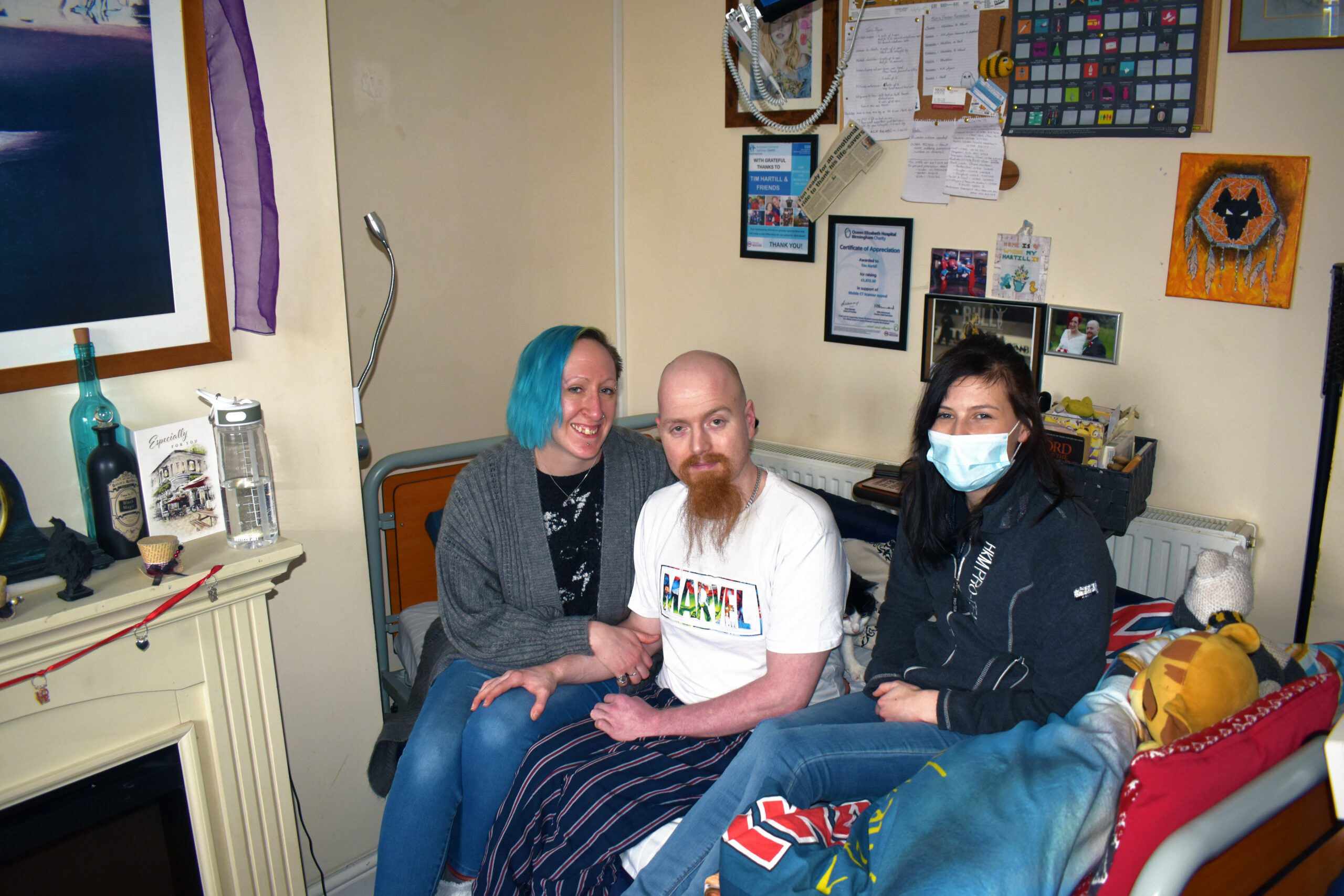
Tim’s Complex Care Story – How Secure Healthcare Solutions helped Tim fulfill his life to the fullest.

Tim was 52 years old and had an acquired brain injury. Like everyone, he had his own interests, personality and things that brought him happiness. He was a passionate Wolverhampton Wanderers supporter and loved cooking!

For Tim, receiving the right support was about more than meeting his care needs. It was also about helping him maintain his independence, enjoy the things that mattered to him and continue taking steps forward in everyday life.

Through the support provided by Secure Healthcare Solutions, Tim experienced progress that was meaningful to him. He was able to take steps he had not been able to take before, highlighting the importance of personalised support that recognises the individual behind the care needs.

Understanding Acquired Brain Injury

An acquired brain injury (ABI) is damage to the brain that occurs after birth. It can happen for a variety of reasons and may affect people differently, depending on the nature and severity of the injury.

Some people experience changes in their movement, communication, memory, thinking or ability to manage everyday activities. The support they need depends on their individual circumstances, abilities and goals.

For Tim, the focus was on providing appropriate support while recognising his individuality and helping him develop greater independence.

Personalised Complex Care That Recognises the Individual

Complex care should be built around the person, taking account of their needs, preferences, routines and personal goals.

Secure Healthcare Solutions provides care and support for people with a range of health and social care needs, working in partnership with commissioners, local authorities, case managers and self-funded individuals.

Tim’s experience demonstrated the importance of having a supportive team around him. His feedback highlighted the professionalism and training of the staff supporting him, as well as the difference this support made to his ability to carry out tasks more independently.

Helping Tim Take Steps Towards Greater Independence

Progress can mean different things to different people. For someone living with an acquired brain injury, being able to do more independently can be an important part of everyday life.

Tim’s case study highlighted positive progress following support from Secure Healthcare Solutions. He was able to take steps that he had not been able to take before, and he described being able to complete tasks more independently.

These changes mattered because care is not simply about providing assistance. It is also about recognising a person’s abilities, supporting their individual goals and helping them maintain as much independence as possible.

Tim’s love of cooking and his enthusiasm for his football team were reminders that his interests and personality were just as important as his care needs.

Feedback From the man himself!

Tim shared positive feedback about the support he received from Secure Healthcare Solutions, particularly the quality and training of the staff.

“Professional agency, well trained brilliant staff, since Secure healthcare has supported me, I can do tasks more independently”.

His words reflect the importance of reliable, well-trained staff who understand the value of supporting people in a way that promotes independence.

Putting People at the Heart of Complex Care

Tim’s story highlights why complex care must be personalised. Every person has different needs, interests and goals, and the right support should reflect those differences.

For Tim, being supported to take steps forward and complete tasks more independently was an important part of his experience. His feedback also demonstrated how much confidence people can place in a team that provides professional, well-trained support.

At Secure Healthcare Solutions, we recognise that effective care is about the person, not just their condition. By focusing on individual needs and working to support independence, care teams can help people pursue meaningful progress in their everyday lives.

Looking for Complex Care Support?

If you or someone you care for needs specialist support at home, Secure Healthcare Solutions can discuss your requirements and help you explore the available options.

Contact our team to learn more about our complex care services and how personalised support may help meet individual needs.

What Is Assisted Living in the UK? Costs, Benefits & How It Works

Finding the right balance between independence and support becomes important as people grow older. Many families in the UK are now exploring options that provide both comfort and care without taking away freedom.

Assisted living has become one of the most preferred choices for seniors who want to stay active while having access to help when needed. It bridges the gap between living alone and full-time residential care.

In this blog, we’ll explain what assisted living means, how it works, its costs, and its benefits.

What Is Assisted Living in the UK and How Does It Work?

Assisted living in the UK is a type of housing designed for older adults who want to live independently but may need help with certain day-to-day activities. It’s not the same as a care home, where medical support is provided round the clock. Instead, assisted living offers a mix of private space and shared facilities, giving residents freedom along with the right level of assistance.

These homes or apartments usually come with on-site staff who help with personal care, meals, cleaning, and medication reminders. Emergency support is available 24/7, which helps both residents and families feel safe. The goal is to create a community where older adults can live comfortably while maintaining their routines.

Most assisted living communities also arrange social events, wellness programs, and hobby clubs. This helps residents stay active, make friends, and keep a sense of purpose. In short, assisted living in the UK works by combining independence, care, and community living in one setting.

How Do You Qualify for Assisted Living in the UK?

Qualifying for assisted living in the UK depends on your care needs, health condition, and personal preferences. There isn’t a strict national rule, but local councils and care providers follow general steps to assess eligibility.

Here’s how the process usually works:

  • Care needs assessment: Contact your local council for a formal evaluation. A social worker will review how well you manage tasks like cooking, washing, or moving around.
  • Financial assessment: The council checks your income, savings, and property to see if you qualify for financial help.
  • Health and safety considerations: If living alone poses health or safety risks, assisted living may be recommended.
  • Personal choice: Even if you don’t qualify for funding, you can still arrange and pay for assisted living privately.

Assisted Living vs. Other Care Options in the UK

Type of Care Level of Independence Type of Support Provided Living Arrangement Best Suited For
Assisted Living Moderate to High Help with daily tasks such as cleaning, meals, and medication reminders Private flats or apartments with shared communal areas Older adults who want independence with light support
Residential Care Home Low to Moderate 24-hour personal care, meals, and supervision Private or shared rooms in a managed facility Seniors needing regular personal care but not medical treatment
Nursing Home Low 24-hour nursing and medical support Managed facility with healthcare staff People with complex medical needs or ongoing conditions
Home Care (Domiciliary Care) High Carers visit at home to help with personal tasks Individual’s own home Those who wish to stay at home with flexible support hours
Retirement Housing (Sheltered Housing) Very High Minimal or no personal care; emergency call systems available Self-contained flats or bungalows Independent seniors who need a secure and social environment

How Much Does Assisted Living Cost in the UK?

The cost of assisted living in the UK can vary based on several factors, such as the type of accommodation, location, and level of support needed. Some people rent their homes within the community, while others buy or lease a property.

You’ll usually pay for:

  • Rent or ground rent (depending on ownership)
  • Service charges for building maintenance, communal areas, and staff
  • Personal care fees for support such as meals or help with daily tasks
  • Utilities and council tax, which may or may not be included in the service charge

Average costs range between £1,000 and £1,500 per month, but can be higher in London or larger cities. Always review all fees carefully, including any one-time or exit costs, before signing an agreement.

Financial Support and Funding Options for Assisted Living in the UK

When considering assisted living, there are a few paths to ease the financial burden. First, if you request a care needs assessment from your local council and it’s accepted, you’ll also face a financial (means) test. If your assets and savings are below £23,250 (in England), the council may cover all or part of your care costs.

If your assets fall between lower and upper thresholds (say £14,250 to £23,250), you may pay a portion while the council pays the rest. Those above the upper limit become self-funders, meaning you pay fully yourself.

Beyond council help, you can explore charitable grants, such as from Friends of the Elderly, for small financial aid. Also, Disabled Facilities Grants may assist with modifying your home (ramps, lifts), but won’t usually cover daily care costs.

Benefits of Assisted Living for the Elderly in the UK

  • Independence with support: Residents can live on their own terms while getting help when needed.
  • Safety and security: 24-hour staff, emergency call systems, and controlled access give peace of mind.
  • Social interaction: Group activities, shared dining, and community events reduce loneliness.
  • Personalised care: Support plans are tailored to each resident’s needs and lifestyle.
  • Maintenance-free living: No worries about repairs, housekeeping, or garden work.
  • Access to health services: On-site care teams often coordinate with doctors and nurses.
  • Balanced lifestyle: Nutritious meals, exercise programs, and social routines promote overall well-being.

Assisted Living in Wolverhampton – How We Can Help

At Secure Healthcare Solutions, we understand that choosing the right assisted living option is a big decision for families. Our goal is to make the process simple, supportive, and personal. We offer flexible care plans that suit individual needs, whether you need help for a few hours a day or round-the-clock support.

Our trained caregivers assist with daily routines, medication, personal care, and companionship, helping residents maintain comfort and confidence in their own space. We also work closely with families to ensure consistent communication and peace of mind.

If you’re exploring Assisted Living Services in Wolverhampton, Secure Healthcare Solutions can guide you through every step, from assessment to care planning, ensuring you or your loved one receives the best possible support in a safe and caring environment.