Loading Jobs...

Tim’s Complex Care Story: Supporting Independence After an Acquired Brain Injury

Tim’s Complex Care Story – How Secure Healthcare Solutions helped Tim fulfill his life to the fullest.

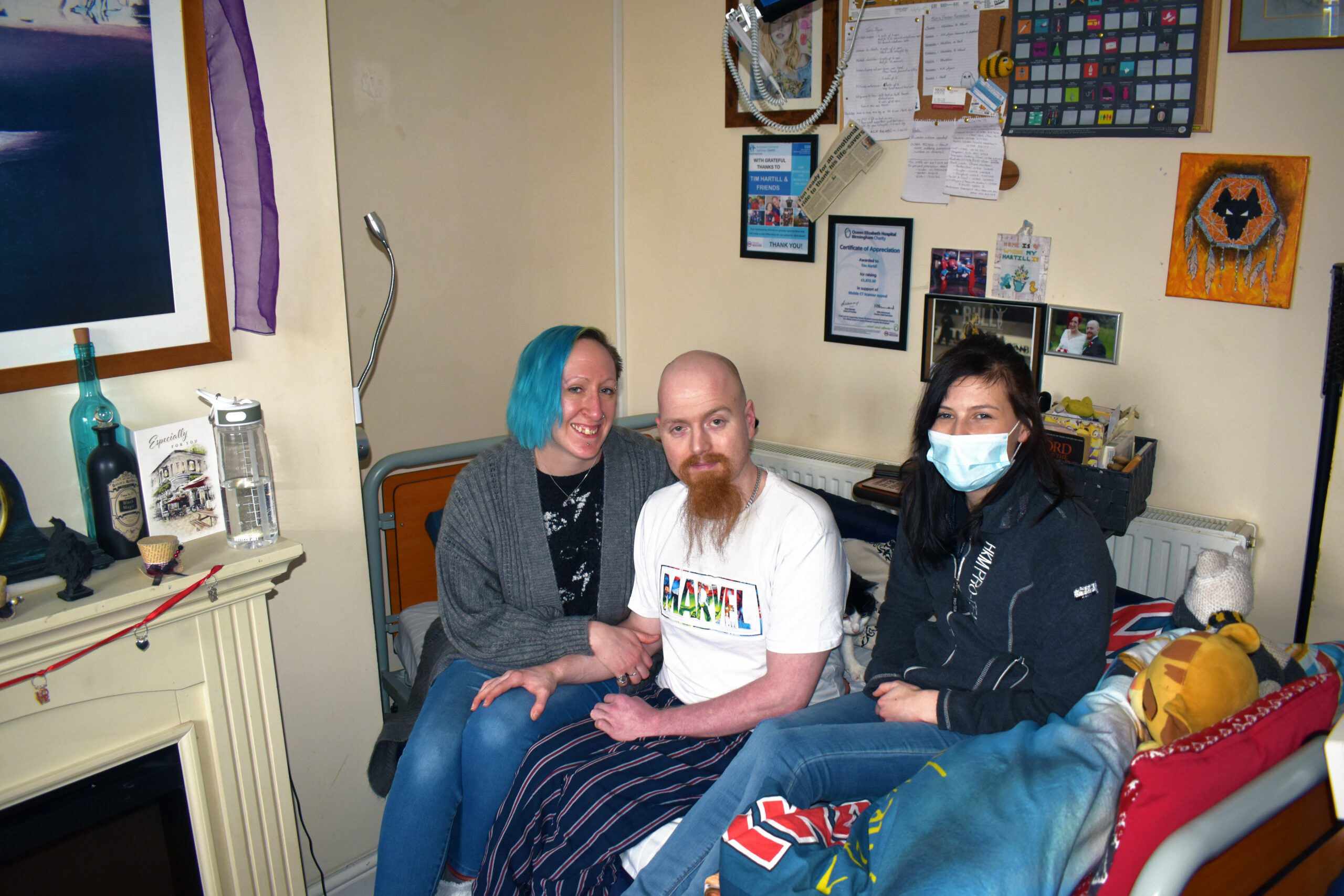
Tim was 52 years old and had an acquired brain injury. Like everyone, he had his own interests, personality and things that brought him happiness. He was a passionate Wolverhampton Wanderers supporter and loved cooking!

For Tim, receiving the right support was about more than meeting his care needs. It was also about helping him maintain his independence, enjoy the things that mattered to him and continue taking steps forward in everyday life.

Through the support provided by Secure Healthcare Solutions, Tim experienced progress that was meaningful to him. He was able to take steps he had not been able to take before, highlighting the importance of personalised support that recognises the individual behind the care needs.

Understanding Acquired Brain Injury

An acquired brain injury (ABI) is damage to the brain that occurs after birth. It can happen for a variety of reasons and may affect people differently, depending on the nature and severity of the injury.

Some people experience changes in their movement, communication, memory, thinking or ability to manage everyday activities. The support they need depends on their individual circumstances, abilities and goals.

For Tim, the focus was on providing appropriate support while recognising his individuality and helping him develop greater independence.

Personalised Complex Care That Recognises the Individual

Complex care should be built around the person, taking account of their needs, preferences, routines and personal goals.

Secure Healthcare Solutions provides care and support for people with a range of health and social care needs, working in partnership with commissioners, local authorities, case managers and self-funded individuals.

Tim’s experience demonstrated the importance of having a supportive team around him. His feedback highlighted the professionalism and training of the staff supporting him, as well as the difference this support made to his ability to carry out tasks more independently.

Helping Tim Take Steps Towards Greater Independence

Progress can mean different things to different people. For someone living with an acquired brain injury, being able to do more independently can be an important part of everyday life.

Tim’s case study highlighted positive progress following support from Secure Healthcare Solutions. He was able to take steps that he had not been able to take before, and he described being able to complete tasks more independently.

These changes mattered because care is not simply about providing assistance. It is also about recognising a person’s abilities, supporting their individual goals and helping them maintain as much independence as possible.

Tim’s love of cooking and his enthusiasm for his football team were reminders that his interests and personality were just as important as his care needs.

Feedback From the man himself!

Tim shared positive feedback about the support he received from Secure Healthcare Solutions, particularly the quality and training of the staff.

“Professional agency, well trained brilliant staff, since Secure healthcare has supported me, I can do tasks more independently”.

His words reflect the importance of reliable, well-trained staff who understand the value of supporting people in a way that promotes independence.

Putting People at the Heart of Complex Care

Tim’s story highlights why complex care must be personalised. Every person has different needs, interests and goals, and the right support should reflect those differences.

For Tim, being supported to take steps forward and complete tasks more independently was an important part of his experience. His feedback also demonstrated how much confidence people can place in a team that provides professional, well-trained support.

At Secure Healthcare Solutions, we recognise that effective care is about the person, not just their condition. By focusing on individual needs and working to support independence, care teams can help people pursue meaningful progress in their everyday lives.

Looking for Complex Care Support?

If you or someone you care for needs specialist support at home, Secure Healthcare Solutions can discuss your requirements and help you explore the available options.

Contact our team to learn more about our complex care services and how personalised support may help meet individual needs.
Mary’s Complex Care Journey | Secure Healthcare Solutions

Getting to Know Mary

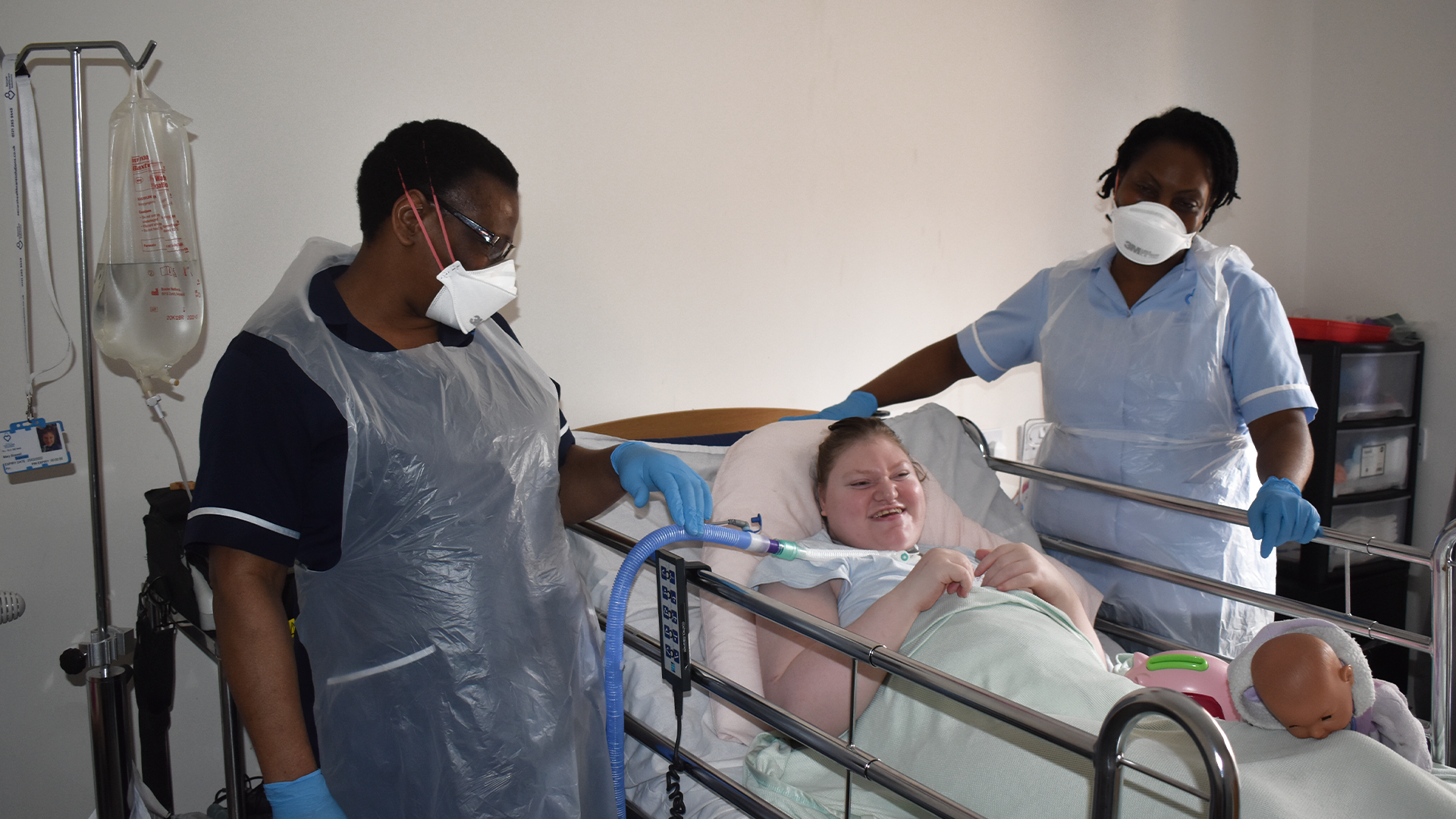
Mary was 29 years old and had a learning disability, epilepsy, a tracheostomy and a PEG (percutaneous endoscopic gastrostomy). She also required 24-hour ventilation.

Despite her complex health and care needs, Mary was shown smiling and enjoying time with her dolls. These moments offered a glimpse into her personality and the activities she enjoyed.

Understanding Mary’s Conditions

Mary had several conditions and medical needs that required specialist support. Understanding these needs helps explain the importance of appropriate care tailored to the individual.

  • Learning disability: A learning disability can affect how a person learns new skills, understands information and manages some everyday activities. The support needed varies from person to person.
  • Epilepsy: A neurological condition that can cause recurrent seizures. The type and impact of seizures vary between individuals.
  • Tracheostomy: An opening created at the front of the neck through which a tube is inserted into the windpipe to help with breathing or provide access for respiratory support.
  • PEG: A feeding tube inserted through the abdomen directly into the stomach, which can be used to provide nutrition, fluids or medication when required.
  • 24-hour ventilation: Mary required ventilatory support around the clock to assist her breathing.

Together, these needs meant that Mary required ongoing support tailored to her individual circumstances.

Mary’s Complex Care Package

Secure Healthcare Solutions provided care and support for Mary, whose needs required ongoing assistance and specialist care.

Her circumstances involved several complex health requirements, including a tracheostomy, PEG and 24-hour ventilation, alongside her learning disability and epilepsy.

SHS provide tailored care to clients with a variety of health and social care needs, working in partnership with CCGs, local authorities, case managers and more.

A Better Care Experience

Before moving to Secure Healthcare Solutions, Mary’s family had experienced difficulties with care provided by other agencies.

The decision to change providers resulted in a more positive experience, with Mary’s mum highlighting the improvement in the care and support received.

Her feedback reflected the importance of finding a care provider that families felt confident in and that delivered a positive experience for the person receiving care.

Feedback from Mary’s Mum

Mary’s mum shared her experience of changing care providers and the difference it made to the support Mary received.

Mary’s mum said:

“Previous care experiences with other agencies have not been great, changing to Secure Healthcare has resulted in great care & support”.

Putting the Individual at the Heart of Complex Care

Mary’s story highlighted the importance of appropriate support for people with complex health and social care needs.

Her family’s feedback demonstrated the value of a positive care experience and the importance of finding a provider that could deliver the care and support they needed.

At Secure Healthcare Solutions, Mary’s case formed part of the wider work supporting people with complex needs and their families.

Looking for Complex Care Support?

If you or someone you care for needs specialist support at home, Secure Healthcare Solutions is here to help. Contact our team to discuss your care requirements or explore opportunities to join our healthcare team.

Explore Complex Care Services

Looking for a Job in Healthcare? Explore Jobs

Call our team: 0121 285 9449

Contact our team

Person Centred Care for Learning Disabilities: Principles and Best Practices

The way a person learns and understands the world shapes how they perceive the world, communicate, and build relationships. When someone has a learning disability, it can affect the way they interact with the world, and they need more than basic care.

Person-centred care for learning disabilities places focus on the individual and supports them in gaining control of their life. This requires shaping the care around the person’s preferences, abilities, support needs, and their long-term goals.

In this blog, we explain why person-centred care matters for people with learning disabilities and how dedicated services can help individuals gain independence and confidence.

What is Person Centred Care for Learning Disabilities?

People with learning difficulties may have difficulties with pace and learning style. They may have unique communication needs and sensory preferences that give them emotional comfort. Person-centred care works with people so that they can direct their own support to build a life that reflects the individual’s hopes and dreams.

The key elements of person-centred care are:

  • Individual choice: People choose who supports them, how support is delivered, and what goals matter the most.
  • Accessible information: The information must match the person’s level of understanding. In practice, this may involve creating plain language sheets, symbols, photos, short videos, or spoken explanations that are adapted to the person with the learning disability.
  • Consistent relationships: Person-centred care creates a trust system over time with stable support workers who help reduce anxiety and encourage active involvement.
  • Respect for varied communication styles: Some people with learning disabilities use short phrases of speech, while others may use signing or even assistive technology. The person offering the care adapts to these differences and helps the individual learn and thrive.

Let’s understand the core principles of person-centred care next.

Core Principles of Person Centred Care for Learning Disabilities

Person-centred care for learning disabilities teaches confidence, social interaction, road sense, emotional regulation, community participation, and more. The core principles create a personalised plan that reflects the individual’s choice and voice. The following are the core principles:

Person Leads the Process

People with learning disabilities guide decisions about their lives. They will have space to express their likes and dislikes in their own way, and the staff listens to them patiently without rushing or assuming.

For example, someone may need extra time to think before replying, while another person may prefer choosing the answer from a list of options instead of speaking. A person-centred approach focuses on the learning aspect, customising the activity, and honouring the differences between the individuals.

Care Adapts to Cognitive and Sensory Needs

Learning disabilities differ widely. Some individuals process information slowly, and some others need short, but clear instructions. Sensory overload is a common issue in busy settings.

Person-centred care also pays attention to the environment so that it’s not overwhelming. The staff reduces background noise, breaks tasks into simple steps, and creates familiar routines to reduce anxiety. These adjustments protect comfort and dignity.

Strengths Guide the Support Plan

Strong patterns of attention, creativity, or memory are generally observed in people with learning disabilities. The personalised care plan focuses on individual strengths and uses them to help with learning. Whether the individual needs a structured setting or a more relaxed travel training, personalised care creates powerful strength-led tools that help the person with long-term growth.

Communication Forms the Basis

Communication isn’t always spoken. Often, people with learning disabilities communicate through body language, behaviour, tone, gestures, or facial expressions. The support team offering person-centred care respects and understands this to give an appropriate response.

Rights, Dignity, and Inclusion Come First

The support team ensures that people with learning disabilities get the same equitable opportunities as others for education, friendships, work, hobbies, and community life. Person-centred care considers these as basic rights and avoids decisions that restrict choice. Every interaction helps the person feel respected, which builds their confidence.

Implementing person-centred care that respects the individual while supporting them in every way they need requires a structured plan.

Best Practices for Delivering Person Centred Care

The appropriate plan for person-centred care for learning disabilities needs the following:

Build a Clear and Accessible Personal Profile

A personal profile reflects an individual’s preferences, such as:

  • Morning routines
  • Interests and hobbies
  • Triggers that cause stress
  • Communication methods
  • Sensory issues
  • Learning style
  • Family and community members offering support

Care takers use this personal profile to make every care decision, and it also helps new support workers who join the team to understand the person quickly.

Use Flexible Goal Setting

By breaking down the goals into small steps, person-centred care for learning disabilities helps people to match their pace and interests. For example, if the long-term goal is to encourage them to interact with others and join a local sport, the first step will be visiting a sports hall with a familiar support worker. Gradual progress builds confidence and reduces anxiety.

Support Choice in Daily Life

Care also focuses on improving the quality of life of the person on a day-to-day basis. Encouraging people to make their own choices from what to wear, what to eat, where to sit, when to rest, etc, gives them back control of their own lives. Person-centred care helps individuals to gain this freedom through the methods they can use.

Improve Overall Communication

The support team helps individuals to communicate better based on their own choice of communication tools, like symbol boards, tablets with speech apps, objects of reference, photo schedules, etc. This allows the individual to express themselves without pressure.

Work with Families to Create Steady Routines

Predictable routines are crucial for people with learning disabilities to avoid distress and confusion. Person-centred care works with family members to create stable routines with gentle flexibility. Collaboration with family members and loved ones who take care of people with disabilities helps provide consistent support. Also, it helps the families to adapt their communication to respect the person’s choices.

These best practices aren’t a one-time plan. Person-centred care for people with learning disabilities must change with age, health, environment, and confidence levels. Reviewing and adapting the plan to changing needs provides a clear impact on people who need support.

Benefits and Outcomes

When the support offered matches the learning pace and style, people with learning disabilities gain skills that last for their lives. Some of the positive outcomes can be:

  • Stronger communication skills
  • Reduced anxiety
  • Better emotional regulation
  • Deeper social connections
  • Improved self-worth
  • Increased independence for daily tasks
  • Safer and confident decision-making

Conclusion

Person-centred care for learning disabilities provides support that fits the person. It results in a quiet but profound shift, giving the person a sense of being valued. It respects each individual’s choices and builds routines around them. It can boost confidence, independence, and long-term growth.

For anyone seeking local guidance, you can explore Learning Disability Services in Wolverhampton for tailored support for an individual and their family.

9 Common Myths About Live-in Care in the UK – Debunked

Many families in the UK hesitate to consider live-in care because of the many misconceptions surrounding it. Some think it’s only meant for people with complex medical needs, while others assume it’s too expensive or lacks professional standards. In reality, live-in care has become one of the most trusted and flexible care options for people who want support while staying in their own homes.

Live-in carers not only provide daily assistance but also offer companionship and peace of mind to families who want their loved ones to receive continuous care. Yet, several misconceptions about live-in care still create confusion and doubt.

Let’s clear things up by addressing the 9 most common myths about live-in care in the UK.

Myth #1: Live-in Care in the UK Is Only for People with Serious Medical Needs

Many people assume that live-in care in the UK is only for individuals with serious or long-term medical conditions. This is far from true. While it’s ideal for people with health concerns, it’s also suitable for anyone who needs daily support, companionship, or help with routine tasks.

Live-in care offers flexibility for different needs, whether it’s assistance after surgery, mobility support, or simply someone to help manage household chores. It adapts to the person’s lifestyle rather than forcing them into a strict care setting.

So, even those who are generally healthy but need a little extra help can benefit from live-in care.

Myth #2: Live-in Carers in the UK Aren’t Properly Trained or Qualified

One of the most common myths is that live-in carers in the UK lack proper training or qualifications. In reality, most reputable care agencies, such as Secure Healthcare Solutions, follow strict recruitment standards and ensure that every carer is well-trained before they begin work. These professionals are skilled not just in personal care but also in communication, empathy, and emergency handling.

Live-in carers often receive training in:

  • Medication management and record keeping
  • Moving and handling techniques
  • First aid and basic life support
  • Dementia and mental health awareness

Many carers also hold NVQ or equivalent care certifications. So, families can rest assured that live-in carers are both qualified and capable of providing safe, compassionate support.

Myth #3: Live-in Care Costs More Than a Care Home in the UK !

Many families assume live-in care is more expensive than moving a loved one into a care home, but that’s often not the case. When you compare live-in care vs care home costs, live-in care can be a better value, especially for couples or those needing one-to-one attention. It removes extra costs for accommodation or shared staff and offers personalised care right at home, often at a similar or lower price.

Myth #4: Having a Live-in Carer Means Losing Independence, Privacy, or Living with a Stranger

A common worry is that having a live-in carer means losing independence or privacy. In truth, live-in care is built around personal choice and comfort. Carers support daily needs while respecting boundaries and routines, allowing people to stay in control of their lives.

Live-in carers ensure:

  • You decide your schedule, meals, and activities
  • Private spaces are respected at all times
  • Support is given only when and where it’s needed

Far from feeling like living with a stranger, most families find that live-in carers become trusted companions who help them live freely and confidently in their own homes.

Myth #5: Live-in Care Isn’t Safe in the UK

Some people worry that having a carer live in their home might compromise safety, but that’s not true. The safety of live-in care in the UK is a top priority for registered providers. All carers go through background checks, reference verification, and ongoing supervision.

Care agencies also follow strict CQC (Care Quality Commission) standards to ensure compliance and high-quality service.

With trained carers, regular assessments, and open communication, live-in care offers a safe and reliable alternative to residential facilities while keeping loved ones comfortable at home.

Myth #6: Family Members Will Be Pushed Aside by Live-in Carers

Some families fear that bringing in a live-in carer might distance them from their loved one. In reality, live-in carers work with families, not instead of them. They focus on creating balance by handling daily tasks while keeping family members involved.

  • Families can visit or stay as usual
  • Carers often follow family routines and preferences
  • Regular updates keep everyone informed and connected

Live-in care actually strengthens family relationships by reducing stress and allowing loved ones to spend more quality time together.

Myth #7: You Need to Drastically Modify Your Home for Live-in Care

Many people think that live-in care demands big home modifications or costly upgrades, but that’s not true. In most cases, all that’s needed is a comfortable spare room for the carer and a few small safety improvements, such as adding grab rails or using non-slip mats. Carers are trained to adapt to different home layouts and work with what’s already available.

The goal of live-in care is to make life easier, not complicated. It blends into the home environment, allowing people to keep their familiar surroundings and routines. Families don’t have to worry about major renovations or disruptions—live-in care fits naturally into everyday living.

Myth #8: Live-in Care Isn’t Flexible or Consistent in the UK

Some believe that live-in care follows a rigid schedule or that carers frequently change. In reality, live-in care services in the UK are known for their flexibility and continuity. Care plans are fully personalised so families can choose how much help is needed, when, and in what way. Agencies also focus on consistency by assigning regular carers, ensuring familiarity and comfort for the person receiving care.

Myth #9: Live-in Care Is Only for the Elderly

While older adults often benefit from live-in care, it’s not limited to them. People of all ages, including those recovering from surgery, living with disabilities, or managing long-term conditions, can choose live-in support. It’s also an option for anyone who values companionship or needs help with daily activities. Live-in care adapts to individual needs, making it suitable for anyone seeking comfort and independence at home.

Live-in Care in the UK with Secure Healthcare Solutions

Live-in care from a trusted healthcare agency offers a practical, safe, and personalised alternative to care homes, helping people remain independent in familiar surroundings. It removes the stress of relocation while providing professional, round-the-clock support tailored to individual needs.

At Secure Healthcare Solutions, we provide trusted carers who deliver comfort, dignity, and peace of mind to families across the UK. Whether you’re exploring Live-in Care in Birmingham or nearby areas, our team is ready to guide you every step of the way.

What Is Assisted Living in the UK? Costs, Benefits & How It Works

Finding the right balance between independence and support becomes important as people grow older. Many families in the UK are now exploring options that provide both comfort and care without taking away freedom.

Assisted living has become one of the most preferred choices for seniors who want to stay active while having access to help when needed. It bridges the gap between living alone and full-time residential care.

In this blog, we’ll explain what assisted living means, how it works, its costs, and its benefits.

What Is Assisted Living in the UK and How Does It Work?

Assisted living in the UK is a type of housing designed for older adults who want to live independently but may need help with certain day-to-day activities. It’s not the same as a care home, where medical support is provided round the clock. Instead, assisted living offers a mix of private space and shared facilities, giving residents freedom along with the right level of assistance.

These homes or apartments usually come with on-site staff who help with personal care, meals, cleaning, and medication reminders. Emergency support is available 24/7, which helps both residents and families feel safe. The goal is to create a community where older adults can live comfortably while maintaining their routines.

Most assisted living communities also arrange social events, wellness programs, and hobby clubs. This helps residents stay active, make friends, and keep a sense of purpose. In short, assisted living in the UK works by combining independence, care, and community living in one setting.

How Do You Qualify for Assisted Living in the UK?

Qualifying for assisted living in the UK depends on your care needs, health condition, and personal preferences. There isn’t a strict national rule, but local councils and care providers follow general steps to assess eligibility.

Here’s how the process usually works:

  • Care needs assessment: Contact your local council for a formal evaluation. A social worker will review how well you manage tasks like cooking, washing, or moving around.
  • Financial assessment: The council checks your income, savings, and property to see if you qualify for financial help.
  • Health and safety considerations: If living alone poses health or safety risks, assisted living may be recommended.
  • Personal choice: Even if you don’t qualify for funding, you can still arrange and pay for assisted living privately.

Assisted Living vs. Other Care Options in the UK

Type of Care Level of Independence Type of Support Provided Living Arrangement Best Suited For
Assisted Living Moderate to High Help with daily tasks such as cleaning, meals, and medication reminders Private flats or apartments with shared communal areas Older adults who want independence with light support
Residential Care Home Low to Moderate 24-hour personal care, meals, and supervision Private or shared rooms in a managed facility Seniors needing regular personal care but not medical treatment
Nursing Home Low 24-hour nursing and medical support Managed facility with healthcare staff People with complex medical needs or ongoing conditions
Home Care (Domiciliary Care) High Carers visit at home to help with personal tasks Individual’s own home Those who wish to stay at home with flexible support hours
Retirement Housing (Sheltered Housing) Very High Minimal or no personal care; emergency call systems available Self-contained flats or bungalows Independent seniors who need a secure and social environment

How Much Does Assisted Living Cost in the UK?

The cost of assisted living in the UK can vary based on several factors, such as the type of accommodation, location, and level of support needed. Some people rent their homes within the community, while others buy or lease a property.

You’ll usually pay for:

  • Rent or ground rent (depending on ownership)
  • Service charges for building maintenance, communal areas, and staff
  • Personal care fees for support such as meals or help with daily tasks
  • Utilities and council tax, which may or may not be included in the service charge

Average costs range between £1,000 and £1,500 per month, but can be higher in London or larger cities. Always review all fees carefully, including any one-time or exit costs, before signing an agreement.

Financial Support and Funding Options for Assisted Living in the UK

When considering assisted living, there are a few paths to ease the financial burden. First, if you request a care needs assessment from your local council and it’s accepted, you’ll also face a financial (means) test. If your assets and savings are below £23,250 (in England), the council may cover all or part of your care costs.

If your assets fall between lower and upper thresholds (say £14,250 to £23,250), you may pay a portion while the council pays the rest. Those above the upper limit become self-funders, meaning you pay fully yourself.

Beyond council help, you can explore charitable grants, such as from Friends of the Elderly, for small financial aid. Also, Disabled Facilities Grants may assist with modifying your home (ramps, lifts), but won’t usually cover daily care costs.

Benefits of Assisted Living for the Elderly in the UK

  • Independence with support: Residents can live on their own terms while getting help when needed.
  • Safety and security: 24-hour staff, emergency call systems, and controlled access give peace of mind.
  • Social interaction: Group activities, shared dining, and community events reduce loneliness.
  • Personalised care: Support plans are tailored to each resident’s needs and lifestyle.
  • Maintenance-free living: No worries about repairs, housekeeping, or garden work.
  • Access to health services: On-site care teams often coordinate with doctors and nurses.
  • Balanced lifestyle: Nutritious meals, exercise programs, and social routines promote overall well-being.

Assisted Living in Wolverhampton – How We Can Help

At Secure Healthcare Solutions, we understand that choosing the right assisted living option is a big decision for families. Our goal is to make the process simple, supportive, and personal. We offer flexible care plans that suit individual needs, whether you need help for a few hours a day or round-the-clock support.

Our trained caregivers assist with daily routines, medication, personal care, and companionship, helping residents maintain comfort and confidence in their own space. We also work closely with families to ensure consistent communication and peace of mind.

If you’re exploring Assisted Living Services in Wolverhampton, Secure Healthcare Solutions can guide you through every step, from assessment to care planning, ensuring you or your loved one receives the best possible support in a safe and caring environment.

10 Signs Your Elderly Parent Needs Help: Don’t Ignore These Red Flags

Changes in an elderly parent’s health or behaviour are easy to miss when they appear slowly. What seems like a small shift in routine can, over time, place their safety or independence at risk.

Not every change points to serious illness. Difficulties may show up in day-to-day tasks, keeping up with medication, or basic home upkeep. When spotted early, support can be arranged before problems grow.

This guide sets out ten clear signs that an ageing parent may need extra help and offers simple steps you can take in response.

10 signs your elderly parent needs help

1. Declining Personal Hygiene

A sudden drop in personal grooming can mean more than simply “not bothering.” Sometimes, it is linked to joint pain that makes bathing difficult. In other cases, memory issues or low mood can lead to skipping routine self-care.

You might notice unwashed hair, the same clothes worn for days, or an unusual body odour. These changes are worth talking about, as they often point to underlying physical or emotional challenges that need attention.

2. Weight Loss or Poor Nutrition

Losing weight without trying can be a red flag. It might mean they are forgetting meals, struggling to shop for groceries, or having trouble cooking.

  • Check the fridge for spoiled or empty shelves
  • Notice if favourite foods are untouched
  • Ask gently about appetite or taste changes

Poor nutrition can lead to weakness, reduced immunity, and slower recovery from illness.

3. Changes in Mobility or Balance

A steady gait today can turn unsteady in a matter of months. Difficulty getting out of a chair, slower walking speed, or holding onto furniture for support are all signals worth noticing.

These can be early signs of elderly mobility issues that affect safety and confidence.

Mobility problems increase the risk of falls, which can have serious consequences for older adults. Sometimes, the cause is arthritis, muscle weakness, or side effects from medication. Early help, such as physiotherapy or mobility aids, can make a big difference in maintaining independence.

4. Memory Lapses or Confusion

Ageing parent memory loss can sometimes be mistaken for simple forgetfulness, but certain signs need closer attention:

  • Losing track of conversations or repeating the same questions
  • Forgetting daily routines or familiar names
  • Appearing unsure about where they are, even at home

These changes may be linked to dementia, medication side effects, vitamin deficiencies, or infections. A medical check-up can help identify the cause and determine whether treatment, lifestyle changes, or extra support is needed to maintain their safety and independence.

5. Mood Swings or Withdrawal

If your parent was once social but now avoids calls, visits, or hobbies, it might not be a simple preference for quiet. Emotional shifts can also appear as irritability, sudden sadness, or losing interest in activities they once enjoyed.

Isolation and mood changes may be linked to depression, anxiety, or cognitive decline. Regular check-ins, encouragement to join social groups, or professional support can help them reconnect and improve their emotional well-being.

6. Neglected Home Environment

When a once-tidy home starts to feel cluttered or unkempt, it may be more than a matter of preference. Dust, overflowing laundry, or stacks of unopened mail can signal that your parent is finding daily upkeep too challenging.

This could be due to physical limitations, memory problems, or simply feeling overwhelmed. Addressing these issues early can help prevent accidents, pest problems, and increased stress.

7. Medication Mismanagement

Keeping track of pills can be difficult, especially with multiple prescriptions. Signs to look for include:

  • Unused medication piling up
  • Empty blister packs for the wrong dates
  • Confusion about what each pill is for

Missed doses or double-dosing can lead to serious health risks. A pill organiser, reminder system, or supervised support can make medication routines safer and easier.

8. Unexplained Bruises or Injuries

Bruises without a clear explanation can indicate falls, balance problems, or even vision issues. Sometimes, your parents may hide these incidents to avoid worrying you.

  • Check for marks on arms, legs, or hips
  • Ask casually about any recent bumps or trips
  • Watch for changes in how they move around the home

Identifying the cause is key to preventing further harm and maintaining confidence in their mobility.

9. Difficulty with Daily Activities

Tasks like cooking, cleaning, dressing, or managing finances may start taking much longer than before. You might notice:

  • Meals are becoming simpler or skipped altogether
  • Clothes not matching or being worn repeatedly
  • Bills going unpaid

These struggles often lead to frustration and loss of independence. Support can range from occasional help to more regular assistance, depending on their needs.

10. Family Caregiver Burnout (If You’re Already Helping)

When you are already providing care, your well-being matters too. Feeling constantly tired, short-tempered, or emotionally drained is a sign you need support.

Caregiver burnout can affect the quality of care your parent receives. It can also impact your health and relationships. Recognising when you need rest, help from other family members, or professional respite care is an important step in sustaining your ability to help over the long term.

What to Do If You Notice These Signs

  • Start a gentle conversation – choose a calm moment and speak with empathy, focusing on their comfort and safety rather than criticism.
  • Involve other family members so the responsibility and decision-making do not fall on one person.
  • Arrange a health check-up to rule out treatable conditions that might be causing the changes.
  • Offer practical support such as meal preparation, transport, or help with bills.
  • Explore care options ranging from part-time help to full-time home care, depending on their needs and willingness.
  • Check in regularly to monitor progress and adjust support as needed.

Helping Your Parent Stay Safe, Independent, and Supported

Noticing small changes in your parent’s health, mood, or daily habits is the first step toward keeping them safe and comfortable. Acting early can prevent minor concerns from turning into serious problems.

If you live locally, arranging home care in Wolverhampton can provide the extra help they need while allowing them to remain in familiar surroundings. Professional carers can assist with personal care, household tasks, and companionship.

For families seeking trusted elderly care in Wolverhampton, exploring reputable services like Secure Healthcare Solutions ensures your loved one receives the right support. With the right help, they can maintain dignity, independence, and quality of life.

Best Home Care Agencies in Wolverhampton: How Secure Healthcare Solutions Stands Out

When it comes to ensuring the best care for yourself or your loved ones, choosing the right home care agency is one of the most important decisions you can make. Wolverhampton is home to several care providers, but only a select few can truly deliver the high standards of care that individuals and families require. Secure Healthcare Solutions is proud to be recognised as one of the best home care agencies in Wolverhampton, providing exceptional services tailored to meet the unique needs of each client.

In this blog, we’ll explore what makes Secure Healthcare Solutions stand out among other home care agencies, discuss the benefits of home care nursing, and highlight how we support families and individuals with complex care needs.

Why Home Care Nursing Is Essential

Home care nursing is an invaluable service for individuals who require medical or personal care but prefer to remain in the comfort of their own homes. This service is especially beneficial for:

  • Seniors needing help with daily tasks.
  • Patients recovering from surgery or managing chronic illnesses.
  • Individuals requiring specialised complex care services.

Unlike institutional care, home care nursing offers a personalised approach. It allows healthcare professionals to focus on the specific needs of each client, ensuring a comfortable and dignified experience.

What to Look for in a Home Care Agency

Choosing a home care provider can feel overwhelming, especially with so many options available. Here are some key factors to consider when searching for a health care agency near me or evaluating the best home care agencies in Wolverhampton:

  1. Qualified and Compassionate Staff: Ensure the agency employs licensed and trained healthcare professionals, including nurses and support workers.
  2. Range of Services: The agency should offer a variety of care options, from personal care to complex care services.
  3. Flexibility: Whether you need part-time assistance or full-time care, the agency should provide flexible plans tailored to your needs.
  4. Reputation: Look for agencies with positive client reviews and testimonials.

At Secure Healthcare Solutions, we excel in all these areas, making us a trusted partner for families seeking reliable home care in Wolverhampton and beyond.

How Secure Healthcare Solutions Stands Out

1. Comprehensive Range of Services

Secure Healthcare Solutions offers a broad spectrum of home care services, ensuring that clients receive the right level of support for their unique circumstances. Our services include:

  • Personal Care: Assistance with daily activities such as bathing, dressing, and meal preparation.
  • Home Care Nursing: Skilled nursing care for patients managing chronic illnesses, recovering from surgery, or requiring palliative care.
  • Complex Care Services: Support for individuals with advanced medical needs, such as ventilator care, tracheostomy care, or PEG feeding.

Our team of dedicated healthcare professionals ensures that every client receives the highest standard of care in their own home.

2. Experienced and Qualified Staff

The quality of care provided by any home care agency depends heavily on the qualifications and experience of its staff. Secure Healthcare Solutions employs highly trained healthcare professionals, including registered nurses, carers, and support workers. Each team member undergoes rigorous training and vetting to ensure they are equipped to provide safe and effective care.

3. Flexible and Personalised Care Plans

We understand that every client’s needs are different. That’s why we work closely with families to create personalised care plans that suit their unique circumstances. Whether you need temporary care, long-term support, or specialised services, our team is here to help.

4. Local Expertise in Wolverhampton and Beyond

For families searching for a health care agency near me or exploring private healthcare near me, Secure Healthcare Solutions is a trusted name in the Wolverhampton area. Our deep understanding of the local community and healthcare landscape allows us to deliver services that truly make a difference.

5. Employment Opportunities for Healthcare Professionals

In addition to providing top-notch care, Secure Healthcare Solutions also supports those seeking employment in the healthcare industry. We are a leading nursing agency in Birmingham and Wolverhampton, offering a variety of roles, including:

Our agency provides competitive pay, flexible shifts, and opportunities for professional development, making us a preferred employer for healthcare professionals.

The Importance of Complex Care Services

One of the standout features of Secure Healthcare Solutions is our expertise in providing complex care services. These services cater to individuals with advanced medical needs, such as neurological conditions, spinal cord injuries, or degenerative diseases.

Our specialised team works closely with clients, families, and medical professionals to develop care plans that prioritise comfort, safety, and quality of life. By delivering this level of care at home, we help clients maintain their independence while receiving the support they need.

Why Choose Secure Healthcare Solutions?

Choosing the right care provider is a significant decision, and Secure Healthcare Solutions makes it easier by offering:

  • A team of dedicated healthcare professionals.
  • Expertise in both standard and complex care services.
  • Flexible care plans tailored to each client’s needs.
  • Employment opportunities for those seeking nursing jobs in Wolverhampton or support worker agency jobs.

We’re not just a care provider; we’re a partner in ensuring the well-being and independence of our clients.

Final Thoughts

Finding the best home care agencies in Wolverhampton is essential for families seeking reliable and compassionate care. Whether you need help with daily tasks, require skilled nursing support, or are managing complex medical needs, Secure Healthcare Solutions is here to help.

With our dedicated team, personalised care plans, and commitment to excellence, we stand out as a trusted choice for families in Wolverhampton and beyond. If you’re looking for a health care agency near me or need information about private healthcare near me, contact Secure Healthcare Solutions today to learn more about our services.

The Benefits of 24-Hour Care at Home vs. Nursing Homes

Choosing the right care for your loved ones is a crucial decision. Many families weigh the advantages of home care vs nursing homes, considering factors like affordability, quality of life, and personalised attention. With 24-hour home care services, individuals can receive dedicated support from personal care assistants for 24-hour care while remaining in the comfort of their homes. This approach has become a preferred nursing home alternative for those seeking flexibility and independence.

In this blog, we will explore the benefits of 24-hour care, including its cost-effectiveness, emotional advantages, and how it compares to nursing homes. Additionally, we’ll discuss the services provided by Secure Healthcare Solutions, a trusted provider of home care for the elderly, and present a clear comparison of live-in care vs nursing homes to help you make an informed choice.

Understanding 24-Hour Home Care

24-hour home care provides continuous support, allowing individuals to remain in the comfort of their homes. Caregivers work in shifts to ensure consistent care, addressing medical, personal, and emotional needs. This service is an excellent nursing home alternative for families prioritising independence and familiarity

With 24-hour home care services, care plans are tailored to meet unique needs. This approach allows loved ones to stay connected with family while receiving professional assistance. It combines the benefits of independence with the reassurance of expert care at home.

Services Provided in Home Care

24-hour home care services cover essential tasks like administering medications, personal grooming, and meal preparation. Caregivers also provide mobility support, helping individuals maintain dignity and ease in daily life.

Emotional support is equally important. Caregivers ensure companionship, reducing feelings of loneliness. With providers like Secure Healthcare Solutions, families receive comprehensive care that prioritises both health and emotional well-being, making it an ideal choice for home care for the elderly.

Understanding Nursing Homes

Nursing homes are residential facilities that provide 24-hour care for individuals with medical or personal needs. They cater to seniors who require constant supervision, offering a structured environment for safety and well-being. As a nursing home alternative, families often compare these facilities with 24-hour home care services to assess which suits their loved ones best. While nursing homes provide essential support, some individuals may prefer the familiarity of home care for elderly, which promotes comfort and independence.

Services and Facilities in Nursing Homes

Nursing homes provide comprehensive services, including medical care, therapy sessions, and assistance with daily tasks like bathing and dressing. Residents also benefit from recreational activities and communal dining, fostering social engagement. These facilities are staffed with healthcare professionals who monitor health and manage medications.

While they provide structured care, families often debate home care vs nursing homes, with many turning to Secure Healthcare Solutions for personalised caregiving options.

Benefits of 24-Hour Home Care

  • Personalised Attention and Care
      • Care plans are tailored to individual needs, ensuring one-on-one attention from personal care assistants for 24-hour care.
      • Focused assistance with medical tasks, personal care, and routines for a customised experience.
  • Comfort and Familiarity of Home Environment
      • Seniors remain in a familiar and comforting setting, improving emotional well-being.
      • Enables individuals to maintain their daily routines and enjoy their home surroundings.
  • Flexibility and Independence
      • Offers customisable schedules, allowing seniors to maintain control over their day.
      • Promotes autonomy and preserves dignity compared to nursing homes’ rigid routines.
  • Cost-Effectiveness
      • Home care avoids unnecessary institutional expenses, offering 24-hour care affordability.
      • Flexible services ensure families pay only for what they need, saving money over time.
  • Enhanced Family Involvement
    • Families can actively participate in caregiving decisions and routines.
    • 24-hour home care services foster stronger emotional bonds by keeping loved ones close.

Providers like Secure Healthcare Solutions offer professional care that prioritises comfort, independence, and family involvement, making home care a preferred nursing home alternative for many families.

Benefits of Nursing Homes

  • Professional Medical Care and Supervision
      • Nursing homes provide 24/7 medical care and supervision, ensuring residents’ health is consistently monitored.
      • Skilled staff, including nurses and doctors, manage chronic conditions and emergencies, offering peace of mind compared to home care for the elderly.
  • Social Interaction and Community Activities
      • Residents enjoy opportunities for socialising through group activities, recreational events, and communal living.
      • Nursing homes foster a sense of belonging, addressing loneliness that may occur with 24-hour home care services.
  • Safety and Security Measures
      • Strict safety protocols, such as fall prevention systems and secure access, protect residents.
      • Nursing homes are designed for safety, making them a reliable nursing home alternative for those needing supervision.
  • Access to Specialised Services
      • Services like physical therapy, occupational therapy, and memory care cater to specific medical needs.
      • Nursing homes provide comprehensive care not always available through live-in care vs nursing home solutions.
  • Relief for Family Caregivers
    • By transferring caregiving responsibilities to professionals, families reduce stress and regain personal time.
    • Nursing homes offer a structured, supportive environment, easing the caregiving burden compared to 24-hour home care options.

Comparative Analysis of 24-Hour Home Care and Nursing Homes

Category 24-Hour Home Care Nursing Homes
Personalised Care Offers tailored care plans with one-on-one attention from personal care assistants. Provides group-based care, with less individual customisation.
Environment Allows seniors to stay in the comfort and familiarity of their own homes. Requires adaptation to a new, communal living environment.
Cost Generally more flexible; families pay for specific services needed (24-hour care affordability). Fixed costs include lodging, meals, and all services, which may be higher overall.
Social Interaction Limited to family, friends, or arranged activities by caregivers. Offers group activities, communal dining, and frequent peer interactions.
Medical Supervision Provides medical care coordinated with external healthcare professionals. 24/7 on-site medical staff for immediate assistance and supervision.
Flexibility Schedules and services are customised to individual preferences. Structured routines that may not allow for flexibility.
Family Involvement Encourages family participation in caregiving decisions and daily activities. Limited family involvement due to institutional policies and scheduled visits.
Safety Home safety can be enhanced with modifications; constant supervision is provided. Designed for safety with trained staff and secure access systems.

Conclusion

Choosing between 24-hour home care services and nursing homes depends on individual needs. Home care offers flexibility and comfort, while nursing homes provide structured medical support.

For a trusted nursing home alternative, Secure Healthcare Solutions delivers professional, compassionate 24-hour care, ensuring personalised attention in the comfort of your home. Contact them to explore tailored care options for your loved ones.

Personal Care at Home: Expert Support Right Where You Need It

Personal care at home offers vital support for daily tasks, helping individuals stay independent in familiar surroundings. Services like personal care assistance ensure comfort and safety.

Finding personal care near you or home care assistance near you can greatly enhance your quality of life by providing the needed support for daily routines.

In this blog, we’ll cover the benefits of personal care services, the various support options available, and why Secure Healthcare Solutions is a top choice for in-home personal care.

What is Personal Care at Home?

Personal care at home involves providing assistance with daily tasks such as bathing, dressing, grooming, and mobility. It ensures that individuals receive the help they need while staying in the comfort of their own home, promoting a sense of independence and dignity.

Unlike other forms of care, personal care services focus on tasks related to personal hygiene and day-to-day living. These services are tailored to meet individual needs, making it easier for people to manage their health and well-being with professional support.

Why Choose Personal Care at Home?

Choosing personal care at home ensures individuals receive the necessary support while remaining in a familiar setting. It helps enhance quality of life with personal care services designed to meet each person’s needs.

Maintaining Independence and Comfort

Personal care assistance allows individuals to continue living in their own homes while receiving help with daily tasks. This approach preserves their independence and comfort, as a healthcare assistant can provide in-home personal care tailored to specific requirements, ensuring safety and well-being without leaving the familiar environment.

Customised Support Based on Individual Needs

Personal care services at home can be adjusted to fit each person’s unique circumstances. Whether it’s assistance with grooming, meal preparation, or mobility, care plans are personalised to deliver the right level of support. This flexibility ensures that personal care support is effective, promoting a better quality of life with a customised approach.

Benefits of Having Familiar Surroundings

Being at home brings mental and emotional benefits that enhance overall well-being. Familiar surroundings can reduce anxiety and provide comfort, making in-home personal care more effective than institutional care. With a healthcare assistant‘s help, individuals feel secure and supported, which is especially beneficial for those with memory-related conditions or recovering from illness.

Services Included in Personal Care at Home

Personal care services at home cover a range of tasks to help individuals with daily living. These services ensure that clients receive the right personal care assistance for their needs, delivered by qualified healthcare assistants.

Help with Daily Activities (e.g., Bathing, Dressing)

Personal care services include assistance with daily hygiene routines, such as:

  • Bathing and showering
  • Dressing and grooming
  • Oral hygiene
    This support helps individuals maintain cleanliness and dignity, allowing them to stay comfortable in their own homes.

Support with Mobility and Transferring

In-home personal care provides help with mobility to keep clients safe. Tasks include:

  • Assisting with getting in and out of bed
  • Helping with transferring to a wheelchair or walker
  • Supporting safe movement around the home
    This personal care support ensures that clients avoid falls and injuries.

Assistance with Meal Preparation and Feeding

Personal care services at home also cover meal-related tasks, including:

  • Preparing nutritious meals according to dietary needs
  • Assisting with feeding when necessary
  • Monitoring food intake for balanced nutrition
    This ensures clients receive proper nourishment to maintain health and energy.

Medication Reminders and Assistance

Managing medications is crucial for many individuals. Personal care assistance includes:

  • Reminding clients to take their medication on time
  • Helping with opening pill bottles or packaging
  • Keeping a record of medications taken
    These steps help ensure clients follow their prescribed treatment plans.

Who Can Benefit from Personal Care at Home?

Personal care services at home cater to various groups who need extra support with daily tasks.

Elderly Individuals

Personal care assistance is essential for seniors who need help with everyday activities such as bathing, dressing, and mobility. A qualified healthcare assistant can provide personal care support, allowing elderly individuals to maintain their dignity and independence. By receiving personal care services at home, seniors can stay in familiar surroundings while getting the help they need to enhance their comfort and safety.

People with Disabilities

Individuals with disabilities often benefit from in-home personal care, which addresses specific physical or mental challenges. Personal care services can include mobility support, assistance with grooming, or meal preparation. A dedicated healthcare assistant ensures that all care needs are met, making daily life more manageable. This tailored personal care support helps individuals live a fulfilling life with the right level of assistance.

Individuals Recovering from Surgery or Illness

After surgery or illness, temporary personal care assistance can be vital for a smooth recovery. In home personal care provides essential help with tasks like mobility, medication reminders, and personal hygiene. A skilled healthcare assistant can support the healing process by ensuring that individuals follow their recovery plan. These personal care services at home offer peace of mind and promote a faster, safer return to daily activities.

Why Choose Secure Healthcare Solutions for Personal Care at Home?

Secure Healthcare Solutions is a top choice for personal care services at home, offering reliable and expert support to enhance the quality of life.

  • Experienced in providing personalised personal care assistance
  • Skilled healthcare assistants delivering compassionate and professional care
  • Flexible care plans that can be adjusted to fit changing needs
  • Positive feedback from clients, highlighting quality service
  • Available 24/7 for urgent care requirements
  • Focused on maintaining high standards and client satisfaction in in home personal care.

Choosing the Right Home Care for Your Loved Ones: What You Need to Know

Choosing home care for your loved ones is a big decision that requires careful thought. As people age or face health challenges, in-home care services offer a way to maintain independence while receiving the support they need. However, with so many home care options available, it can be difficult to know which service is the best fit.

In this blog, we will guide you through the important factors to consider when selecting the best home care services. We’ll cover everything from understanding different types of senior home care to assessing your loved one’s needs and choosing a reliable provider like Secure Healthcare Solutions.

Understanding Home Care

Home care is a service that provides personalised assistance to individuals in the comfort of their own homes. It includes help with daily activities like bathing, dressing, and meal preparation, making it ideal for seniors or those recovering from illness. Choosing home care allows your loved ones to stay in a familiar environment while receiving the support they need.

Unlike nursing homes, which require relocating to a new setting, in-home care services offer flexibility and a sense of independence. This makes home care a preferred option for many families looking to maintain a loved one’s quality of life without the need for institutional care.

Types of Home Care Services

Home care services can be customised to meet the specific needs of your loved ones. Here are the main types of services available:

  • Personal Care: Assistance with daily activities like bathing, dressing, grooming, and meal preparation.
  • Nursing Care: Medical care provided at home, including wound care, medication management, and monitoring health conditions.
  • Respite Care: Temporary relief for primary caregivers, giving them time to rest while ensuring their loved ones are cared for.
  • Specialised Care: Services tailored to individuals with specific conditions, such as dementia or Alzheimer’s, providing the expertise needed for these challenges.

Assessing Your Loved One’s Needs

Assessing your loved one’s needs is crucial when choosing home care. Understanding their unique requirements will help you select the most suitable in-home care services.

Medical and Physical Needs

Evaluating the medical and physical needs of your loved one is the first step in choosing home care. Consider any chronic conditions, mobility issues, or disabilities that may require special attention. It’s essential to consult with healthcare professionals to get accurate assessments and recommendations.

Emotional and Social Needs

Beyond physical care, it’s important to address the emotional and social needs of your loved ones. Home care for loved ones should include companionship to prevent feelings of loneliness or isolation. Maintaining social connections is vital for emotional well-being, so consider home care options that encourage interaction with family, friends, and caregivers. Emotional support is a key element of senior home care, helping to improve the overall quality of life.

Safety and Mobility Concerns

Safety is a top priority when it comes to senior home care. Conduct a home safety evaluation to identify potential hazards like loose rugs or poor lighting. Consider mobility aids such as handrails, ramps, or stairlifts to enhance safety. Home care advice from professionals can help you make necessary modifications, ensuring your loved one’s home is a secure and comfortable environment.

Exploring Different Home Care Options

Exploring different home care options is essential to find the right fit for your loved ones. Live-in care provides 24/7 assistance, ideal for those needing constant care and companionship. It offers continuous support and peace of mind, making it one of the best home care services available.

  • Hourly visiting care is a flexible option, with caregivers helping for a few hours each day or week. This works well for seniors who need help with specific tasks while maintaining independence.
  • Night care ensures overnight monitoring, reducing the risk of falls or medical emergencies. It’s an important home care option for families who want peace of mind at night.
  • Respite care gives primary caregivers a break, ensuring their loved ones receive quality care in their absence. This is crucial home care advice for preventing caregiver burnout.
  • Palliative care focuses on comfort and quality of life for those with serious illnesses, offering pain management and emotional support.

Secure Healthcare Solutions offers a range of in-home care services tailored to meet your loved one’s needs, ensuring they receive the best possible care. Whether you’re choosing home care for ongoing support or temporary relief, these options provide comprehensive senior home care solutions.

Choosing a Home Care Provider

Choosing a home care provider is a critical step to ensure your loved ones receive the best possible care. It’s important to evaluate various factors before making a decision.

Qualifications and Training of Caregivers

When choosing home care services, always check the caregivers’ qualifications and certifications. Caregivers should have proper training in areas like first aid, dementia care, and medication management.

Reputation and Reviews

Reading reviews and testimonials is essential when selecting the best home care services. Look for feedback from other families who have used the service to gauge the provider’s reliability and care quality. Verifying the provider’s reputation through independent sources or word of mouth helps in making an informed decision.

Cost and Budget Considerations

Understanding the costs associated with different home care options is vital for planning. Home care can vary in price based on the type of services needed. Setting a budget and exploring financial assistance options, like government programs or insurance, can help manage these expenses.

How Secure HealthCare Solutions Help you in Home Care

Secure Healthcare Solutions offers comprehensive in-home care services tailored to meet the unique needs of your loved ones. Whether you’re looking for senior home care, live-in care, or respite care, they provide a wide range of home care options to ensure your family receives the best support.

Our team of highly trained and qualified caregivers is dedicated to delivering compassionate care, focusing on both physical and emotional well-being. We understand that choosing home care can be overwhelming, so they offer personalised guidance to help you make informed decisions.

With a strong reputation and positive reviews, Secure Healthcare is trusted by many families for delivering reliable and professional home care for loved ones. We also offer flexible pricing plans and can assist you in finding the most cost-effective solutions without compromising on quality.