Emergency care services play a crucial role in society by providing immediate medical assistance to individuals facing critical situations. These services are designed to offer quick and efficient care, ensuring that patients receive timely treatment when every second counts. Emergency medical professionals, healthcare providers, and various support staff work tirelessly to save lives and provide essential care during emergencies. In this article, we will explore the significance of emergency care, the services provided, and the dedicated professionals who make it all possible.
Emergency Care Services: A Lifeline in Critical Moments
Emergency care services are the first line of defense in critical situations, such as accidents, heart attacks, or natural disasters. These services aim to stabilize patients, prevent further harm, and initiate immediate treatment. Emergency medical professionals save countless lives daily through their quick response and efficient care.
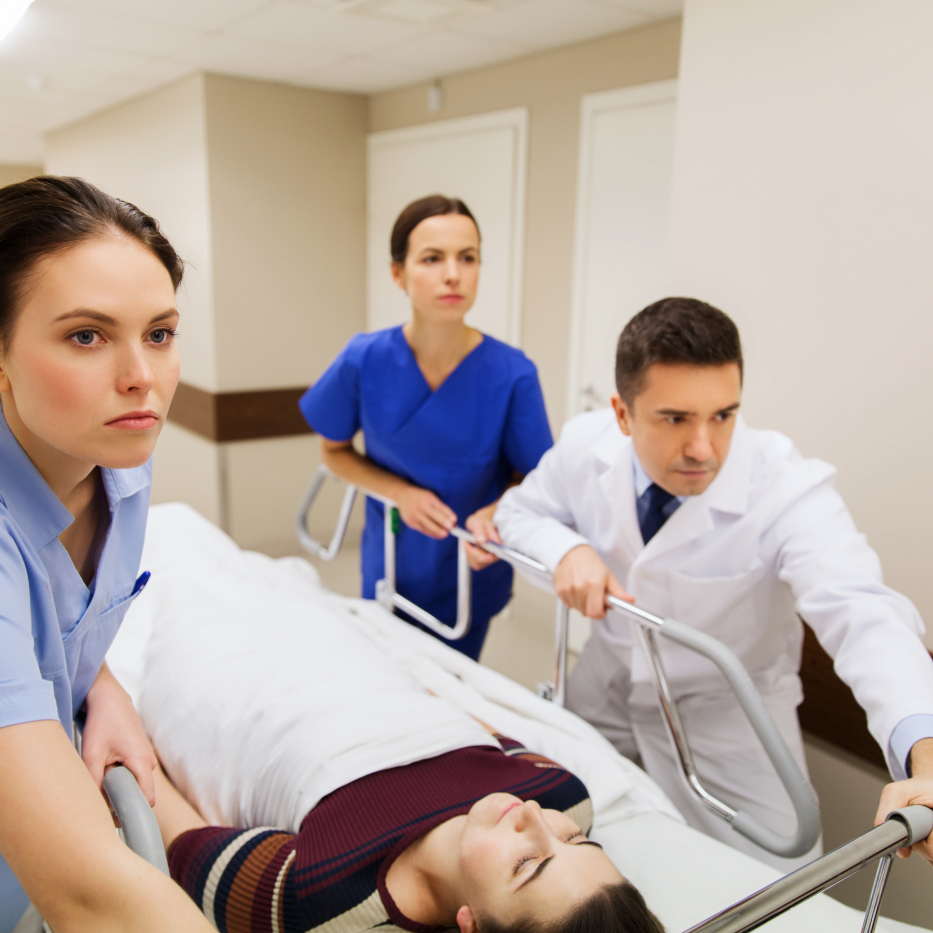
Emergency care services serve as a lifeline for individuals facing medical emergencies. These services are provided by a dedicated team of professionals who are trained to respond swiftly and effectively to critical situations. From paramedics and emergency medical technicians to nurses and physicians, each member of the emergency care team plays a crucial role in providing timely and appropriate care to patients.
The Role of Emergency Medical Services (EMS)
Emergency medical services (EMS) are an integral part of the emergency care system. EMS providers are trained to assess patients, provide initial medical treatment, and Ensure that they are transported to the nearest healthcare facility. These providers are equipped with the necessary tools and knowledge to stabilize patients and deliver essential care in transit.
Rapid Response and Triage
In critical situations, time is of the essence. Emergency care professionals are trained to respond rapidly to emergency calls and arrive at the scene as quickly as possible. Upon arrival, they perform a triage process to prioritize patients based on the severity of their condition. This enables them to allocate resources efficiently and provide immediate care to those most need it.
Cutting-Edge Technology and Equipment
Efficient emergency care relies on state-of-the-art technology and equipment. From advanced life support systems to diagnostic tools, emergency care providers leverage modern technology to enhance their ability to deliver prompt and accurate care. These advancements enable healthcare professionals to make quick diagnoses, administer appropriate treatments, and monitor patients closely during critical moments.
Quick Emergency Care: Saving Lives in the Nick of Time
In emergencies, every second counts, and quick emergency care can make all the difference between life and death. Responding rapidly and providing immediate medical attention is crucial in critical situations. Let’s explore how emergency care professionals save lives by delivering prompt care when it matters the most.
Efficient Communication Systems
Effective communication is the backbone of quick emergency care. Emergency medical services rely on efficient communication systems to receive emergency calls, dispatch medical personnel, and coordinate with hospitals. Advanced communication tools enable seamless coordination among the entire emergency care team, ensuring a swift response and efficient workflow.
Well-Established Emergency Protocols
Emergency care providers follow well-established protocols and guidelines to streamline their response in critical situations. These protocols ensure a standardized approach to emergency care, allowing healthcare professionals to make swift decisions and promptly deliver appropriate treatments. By adhering to established protocols, emergency care providers can save valuable time and provide efficient care.
Teamwork and Collaboration
Emergency care is a team effort that requires seamless collaboration among healthcare providers. In emergencies, various professionals, including paramedics, nurses, and physicians, work together cohesively to assess, stabilize, and treat patients. This synchronized approach enhances the efficiency of emergency care, enabling swift interventions and coordinated efforts to save lives.
Efficient Emergency Care: Optimizing Resources for Better Outcomes
Efficiency is a critical aspect of emergency care services. Emergency healthcare providers employ various strategies to optimize resources and streamline processes to ensure the best patient outcomes.
Triage: Prioritizing Cases Based on Severity
Triage is an essential process in emergency care, where patients are assessed and categorized based on the severity of their condition. It helps prioritize cases and allocate resources accordingly. Emergency care professionals can quickly identify patients requiring immediate attention and ensure that critical cases receive prompt treatment.
Collaboration Between Emergency Departments and Specialists
Efficient emergency care involves seamless collaboration between emergency departments and specialized healthcare providers. This collaboration ensures that patients receive the appropriate care and interventions based on their condition. By working together, emergency care professionals and specialists can address complex cases more effectively and efficiently.
Continuous Training and Skill Development
Healthcare professionals undergo rigorous training and continuous skill development to provide efficient emergency care. They stay updated with the medical advances of the latest generation, protocols, and techniques. This ongoing education enables them to deliver high-quality care while adapting to evolving emergency care practices.
Emergency Care Professionals: The Heroes Behind the Scenes
Emergency care professionals are unsung heroes who work tirelessly to provide quick and efficient services in critical situations. Their expertise, dedication, and ability to remain calm under pressure make a significant difference in the lives of those they serve.
Paramedics: The First Responders
Paramedics are highly trained medical professionals who specialize in pre-hospital emergency care. They are often the first to arrive at the scene of an emergency and provide critical interventions to stabilize patients. Their comprehensive knowledge and skill set allow them to deliver advanced medical care outside of the hospital setting.
Emergency Physicians: Masters of Urgent Care
Emergency physicians are specialists trained to handle a wide range of medical emergencies. They excel in making quick and accurate diagnoses, initiating appropriate treatments, and coordinating patients’ overall care in the emergency department. Their ability to handle high-stress situations and make critical decisions is crucial for providing efficient emergency care.
Nurses: The Compassionate Caregivers
Nurses play a vital role in emergency care settings, providing compassionate and skilled care to patients. They assist in triage, administer medications, monitor vital signs, and offer emotional support to patients and their families. Their expertise and dedication contribute significantly to the overall efficiency of emergency care services.
Challenges Faced in Providing Quick and Efficient Emergency Care
In emergency care, providing quick and efficient services is crucial for saving lives and ensuring the well-being of individuals in critical situations. However, there are several challenges that hinder the delivery of prompt and effective emergency care. This brief overview will discuss four major challenges faced in this domain, namely limited resources and capacity, staffing and training issues, geographical and infrastructural constraints, and public awareness and education.
Limited resources and capacity
One of the primary challenges in emergency care is the availability of limited resources and capacity. Emergency departments often face high patient volumes, leading to overcrowding and stretched resources. It can result in delays in receiving care and longer waiting times, which can have severe consequences for patients with life-threatening conditions. Insufficient medical supplies, equipment, and beds further exacerbate the situation, making it difficult for healthcare providers to deliver timely and comprehensive care.
Staffing and training issues
Staffing and training issues also pose significant challenges in emergency care. The demand for qualified healthcare professionals, such as doctors, nurses, and paramedics, often exceeds the supply. Shortages in staffing can lead to increased workloads, burnout, and compromised patient care. Additionally, emergency care requires specialized skills and knowledge to manage critical situations effectively. Ensuring that healthcare professionals receive adequate training and education in emergency care is essential to enhance their competency and optimize patient outcomes.
Geographical and infrastructural constraints
Geographical and infrastructural constraints present unique challenges in emergency care, particularly in rural or remote areas. Limited access to healthcare facilities and the lack of well-developed transportation networks can significantly impede the timely delivery of emergency services. Moreover, natural disasters, such as earthquakes, hurricanes, or floods, can disrupt infrastructure and further hamper the provision of emergency care. Addressing these challenges requires innovative approaches, including telemedicine and mobile healthcare units, to bridge the gaps and ensure equitable access to emergency care services.
Public awareness and education
Nursing agencies provide specialized care services to cater to specific healthcare needs. They offer professionals with expertise in areas such as pediatrics, geriatrics, mental health, palliative care, and more. These specialized professionals bring a wealth of knowledge and skills to their assigned roles, enhancing the quality of care provided to patients with unique requirements. Nursing agencies ensure that healthcare facilities have access to professionals who can deliver specialized care, improving patient outcomes and satisfaction.
The Future of Emergency Care
The future of emergency care holds great promise with advancements in technology, research, and training. Artificial intelligence (AI) algorithms can aid in early diagnosis and predict patient outcomes, assisting emergency care providers in making critical decisions. Robotics and automation may enhance the efficiency of emergency procedures, reducing response times and improving patient safety. Continued research and innovation in emergency care will pave the way for further advancements, ensuring that patients receive the best possible care in critical situations.
Conclusion
Emergency care is a crucial component of healthcare systems worldwide, providing quick and efficient services in critical situations. Through the dedicated efforts of emergency care providers, technological advancements, and collaborative initiatives, lives are saved, and patient outcomes are improved. As we look toward the future, it is essential to prioritize emergency care, invest in its infrastructure, and continue to foster innovation to meet the evolving needs of patients and communities.