Loading Jobs...

What Is Blue Monday and How to Beat the Winter Blues

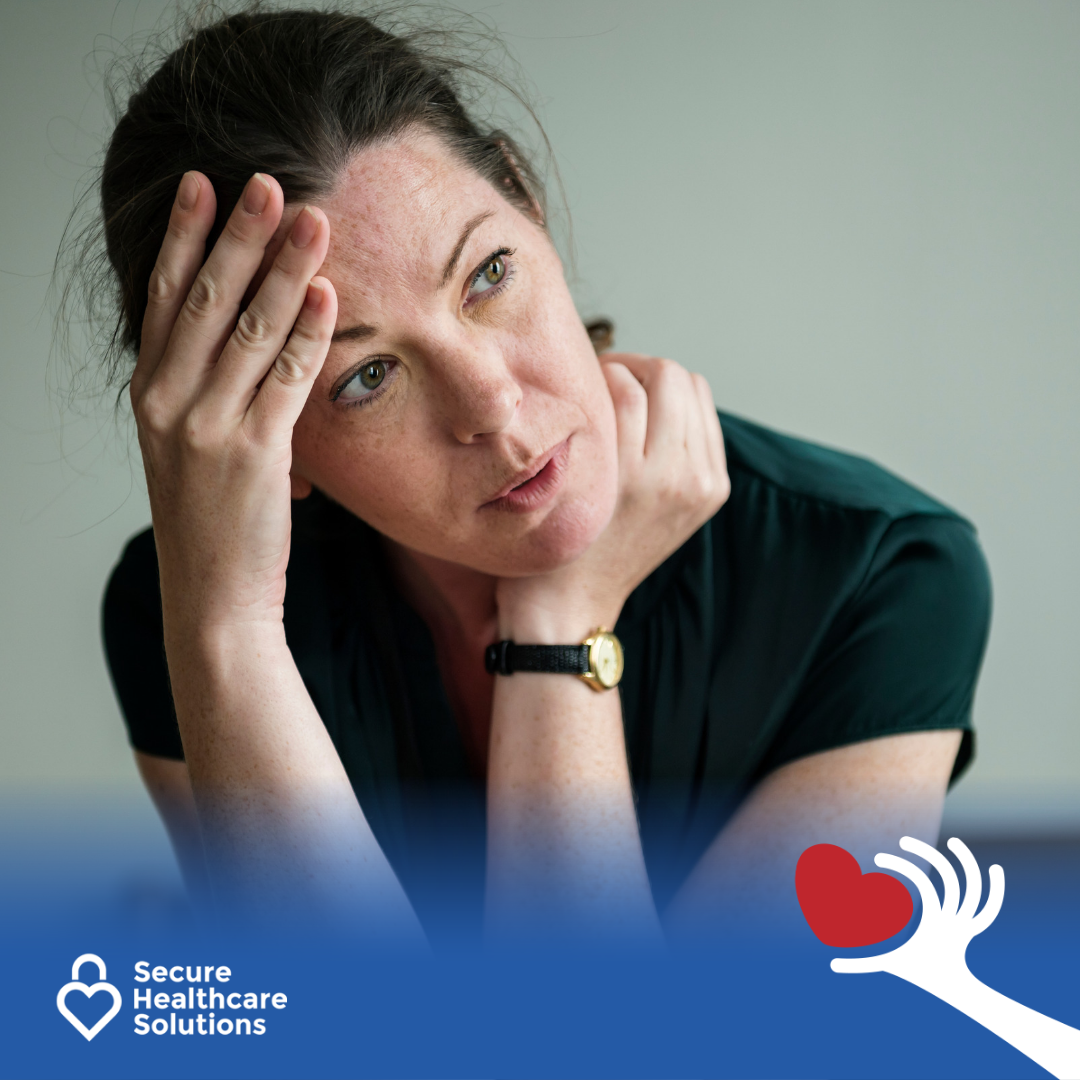
It’s that time of the year again. Today is said to be the most depressing day of the year. Christmas is a long forgotten memory, while payday still seems a long way ahead. It’s cold, you’re miserable, and those diet resolutions you made in good faith back on the 1st are now making your stomach rumble.

Originally coined by a PR Firm 13 years ago, Blue Monday seems to have slipped into common vernacular, however mental health charities warn that Blue Monday trivialises depression, with Mind’s Head of Information commenting that ‘Depression is not just a one day event’.

However, it really is that case that the factors mentioned above can spiral into feeling down at this time of year. So what can those who do feel down at this time of year do to try and beat those winter blues.

  1. Get Outside

As the temperatures drop, it can tempting to stay indoors wrapped up warm, however the lack of sunlight in the winter can contribute to feeling down. The NHS suggests trying to take a one hour walk in the middle of the day when it’s brightest outside.


  1. Eat Well

While it’s easy to eat up salads and light meals during the summer, our natural inclination during the winter is to turn to stodgy comfort food. Eating healthy will help to boost mood and allow you more energy. Try to balance your diet by eating plenty of fresh vegetables and fruit.


  1. Try Light Therapy

While getting out in the natural daylight is always the best option, many of those who suffer with seasonal depression have seen boosts from using lightboxes – electric devices that simulate natural daylight.


  1. Keep Both Mind and Body Active

In the depths of winter, many people find themselves less active – just sitting in front of a TV or computer screen indoors. Try and keep as active as possible. Get out and see friends and family, or perhaps take up a new hobby. By keeping both your mind and body active, you can help to boost your mood.


  1. Seek Help

Whether a support group, a phone line, or going to see your GP – depression is a serious illness that can have a heavy impact on your life. If your symptoms are interfering with your ability to live normally, speak to you GP, or contact MIND.


Nursing & Healthcare Assistant Jobs

It’s a common phenomenon that the New Year can signal a want of career change for many – and 2018 is no different.

What causes so many workers to chose to look out for a new role at the start of the year is uncertain, whether it’s a case of ‘new year – new you’ or whether the onset of winter blues causes job dissatisfaction, it’s actually the case that for many, January is spent scouting for a new role.

A recent survey has shown that more than half of the UK’s workforce will be looking for a new job in 2018, so for certain roles, it is expected that the competition for roles could be fierce. However, it is always the case that many NHS and healthcare workers are in high demand from employers.


nursing jobs wolverhampton

Nursing Jobs in 2018

With uncertainty over Brexit, and a lower than usual take-up of nursing degrees last year, qualified nurses are in high demand, and we have a large number of nursing roles available in the Midlands and surrounding areas. With some great job roles including paediatric nurses, RGN’s, Nurse practitioners, and lots more – Secure Healthcare Solutions can assist you into your new nursing role for a great new year.

Here are just some of our current vacancies

Band 5 RGN – North Staffordshire

Band 6 RGN – West Midlands

Theatre Nurse – West Midlands


Healthcare Assistant Jobs in 2018

New job 2018

Perhaps you are seeking a new role this year that fits in better with your lifestyle. Many of those seeking a new job for the new year are making a conscious decision to make more time for family or get a role that fits in better with their lifestyle. Secure Healthcare Solutions operates 24 hours a day, 7 days a week, so we are able to offer regular work at a time that suits you. Specify your availability and we can offer shifts that fit in exactly with when and where you want to work. As a leading provider of care, we have a wide range of healthcare assistant roles available – here are just a few.

Agency Healthcare Assistant/Support Worker – Tamworth

Healthcare Assistant-Worcester

Complex Care, Healthcare Assistant/ Support Worker – Stafford


Whatever your career aspirations for 2018, Secure Healthcare Solutions can help. So get in touch with us today – call 0121 285 9449 or send an email to cv@securehealthcaresolutions.co.u

Fall in number of Student Nurses

Secure health solutions


The number of students starting undergraduate nursing courses has dipped by 2.6% this year which has lead to warnings that the future supply of nurses ‘remains in peril’.

The Government promised in October to create an extra 5,000 nursing places, part of a wider drive to cope with soaring patient numbers, however, an end to bursaries in favour of student loans have been blamed for deterring people from the profession.

Combined with the drop in overseas applicants – which has partially been blamed on uncertainty over Brexit – the true risks to our NHS services are yet to be seen.

The latest data shows there was a 13 per cent decline in acceptances to nursing subjects from applicants aged 21 to 25 and a six per cent decline from those aged 26 or above, but that these decreases were offset by in increased acceptances of young applicants.

It suggests that, per applicant, it was easier to get onto a nursing degree this year than in the past.

The Royal College of Nursing said the figures showed the Government is not filling the promised extra places.

Speaking in the Telegraph, Lara Carmona, Associate Director of Policy and Public Affairs at the RCN, said: “These figures show the future supply of nurses remains in peril – we have not seen the increase we need across the UK, despite government promises.

“In practice, this will mean services already struggling to recruit staff will find it even harder.”

If you are interested in a career in nursing – please get in touch with us.


Nurses are losing sleep over financial hardship – The Royal College of Nursing survey finds – Nursing Career UK

The Royal College of Nursing is using the results of its latest employment survey to pressurise the Government to increase pay for NHS workers. The poll found 6% of nurses have been forced to take out a high interest rate loan in the last year to meet their daily bills and day-to-day living expenses.

Meanwhile, one in four has borrowed money from friends, family or their bank, 23% have taken on an additional paid job and half did overtime to cover their bills and expenses, according to the survey of 7,720 nurses from across the UK.

Two in five of the nurses questioned said they have lost sleep over money worries.

Over the last year, 56% said they have been forced to cut back on food and travel costs, one in five struggled to pay gas and electricity bills, 11% had been late on rent or mortgage payments and 2.3% said they had used charities or food banks.

The RCN also found that 37% are currently seeking a new job, an increase from 24% 10 years ago.

Of these, more than half said they are looking for roles outside of the NHS, with 14% saying they were seeking jobs abroad.

Teresa Budrey, director of the RCN in the East of England, said: “There are nurses who have to use food banks to keep going, there are nurses that have second jobs, and many of them will do bank work so they will do extra hours for their employer under a nurse bank agreement.

“Equally there are some who do a second job away from nursing to enable them to have a break to recover their resilience to go back into the challenges of the nursing world.”

It was reported in this newspaper in July that there is a 10% shortfall in the number of nurses employed by the NHS in Suffolk, forcing health providers to rely on more expensive agency staff.

Meanwhile, Ipswich Hospital is taking trips to the Philippines in an attempt to recruit more nurses.

Sara Gorton, head of health at the union Unison said: “NHS employees as a whole are struggling to survive on just their basic pay. Cleaners, porters, paramedics, midwives, administrators and healthcare assistants have all gone without a proper pay rise for far too long.”

We are very proud to collaborate with Cavell Nurses Trust in a fundraising campaign to raise both money but most importantly urgency and awareness to tackling this national issue. Cavell Nurses’ Trust is a very active charity that provides help and financial support to UK nurses, midwives and healthcare assistants who are suffering hardship. Together with supporters like you, we can make a difference.

Finding a Social Worker Job – Secure Healthcare Career Insights

In 2017 there were 90,369 social workers registered with the Health and Care Professions Council (HCPC). Once you’ve gained the right combination of qualifications and experience you could join them.

Fast-track training schemes such as Step Up to Social Work, Frontline and Think Ahead often lead directly into full-time employment as do apprenticeships, but if you didn’t qualify through these routes here’s how to find social worker vacancies:

  • Search online – check local authority and council websites, NHS Jobs for careers in NHS Trusts and the job pages of charitable organisations you’re interested in working for.
  • Use your contacts – make use of social media channels such as LinkedIn and Twitter and your university alumni network to let contacts know that you’re looking for a job in social work.
  • Join professional bodies – gaining membership of The British Association of Social Workers (BASW) opens up a variety of opportunities. You can search for vacancies and attend conferences and networking events.
  • Sign up to an agency – social work agencies such as Secure Healthcare Solutions is a recruitment agency that specialises in nursing and social work roles. Gaining work through an agency means you’ll likely work on short-term contracts, providing experience in a range of settings.

Need agency support ? – Now covering Manchester and Birmingham for GP, Nursing and HCA Staffing Solutions

Secure Healthcare Solutions is the complete one stop solution for all healthcare staffing needs from Care Homes, Nursing Homes, NHS, Private Hospitals and Community Services.

We are one of the UK’s principal recruitment companies for placing nurses and healthcare professionals on a permanent and ad-hoc agency basis into NHS & Private Hospitals In both Manchester and Birmingham. The scope of our remit extends to all levels of candidates across all areas including Surgical and Medical wards, Theatres, Critical Care, Oncology, Paediatrics, Outpatients, Radiography/imaging, Radiology, Fertility, Midwifery and Clinical Practice development.

Secure Healthcare can ensure General and Specialist Nurses are placed in a setting that meets their skills, wants and desires on a temporary or permanent basis.

  • Registered General Nurses
  • Registered Mental Health Nurses
  • Registered Learning Disability Nurses
  • Advanced Nurse Practitioner
  • Practice Nurse
  • Pediatric Nurse
  • Complex Care Nurse
  • Theatre Nurse
  • A&E Nurse
  • Dialysis Nurse
  • Palliative Care Nurses
  • School Nurses
  • Prison Nurses
  • Respiratory Nurses
  • Community Nurses

Secure Healthcare Solutions is a trusted provider to many of the UK’s largest nursing/residential home groups. We have a great regional presence and provide a variety of roles including Care Staff, Nursing Staff, Unit Managers, Home Managers, Regional Managers and Executive Placements. Our nursing/residential homes division boasts experienced and knowledgeable recruitment consultants who understand the sector and supply staff on a permanent, contract, and an ad-hoc agency basis to an impressive portfolio of clients.

Our Community Care division work with a number of health organisations to provide Care Support Workers within the community. These include hospitals and primary care trusts, local authorities, GPs, charities, case-management companies and voluntary organisations. Secure Healthcare support community care in partnership with hospital teams – continuing care, intermediate care and discharge teams – as we provide experienced nurses, support workers and allied health professionals on an ad hoc and long term basis. SHS fully understand the importance of the role nurses and health visitors have in preventing illness, caring, health promotion and providing teaching to patients and family members.

Call us or write to us now, however you feel comfortable and we will to get back to you within 24 hours. Alternatively, if you have any questions or queries about our services, or are interested in any healthcare service we provide, please give us a call on 0121 285 9449

Find Homecare Services in Brewood – Care at home Services, Domicilary Care Agency in West Midlands

When faced with illness or immobility, it can be a struggle to carry out everyday activities that you may have once performed with ease. Our discreet personal care service is designed to support you with your day-to-day living, as well as providing you with the encouragement and emotional support that you may need to remain living independently. Our personal care service can assist you with personal hygiene needs ( washing, dressing, continence care) administering medication, at a time to suit your convenience. Maintaining your dignity is of paramount importance to us, which is why our Carers will ensure you feel comfortable at all times.

Treating your family members in Brewood like our own

With Secure Healthcare Brewood as your home care service provider, you will enjoy personalised service built around your needs. Secure Healthcare pride ourselves on treating people with the same care, kindness and dignity that we would expect our loved ones to be treated.

We pride ourselves on ensuring persons needing support are Safe, our care treatment and support helps you to maintain quality of life based on best available evidence, our staff involve and treat you with compassion, kindness, dignity and respect. We ensure our services are responsive to your needs and our management ensure high quality care is provided based on an individuals needs.

If you wish to learn more about how we can support you, please contact us and let one of our advisers come to see you and your family for a more detailed plan on how we can support you.

What sets us apart in the home care industry?

Living independently at home is something most of us would like to do for as long as possible. When that time comes to make the decision to ask for extra support to continue to live independently as much as possible, our home care services are tailored for exactly that.

Our trained caring friendly staff have your Dignity and respect at the forefront of delivering personalised care in the comfort of your own home. When providing home care for yourself or a family member or friend, we take the time to get to know you and make sure you are continually happy with the care you received and the staff that support you.

Home care can be arranged on an hourly, daily, weekly basis or a much longer plan to suit your needs. We provides in-home care and support services to people so they can live as independently as possible in their own homes and communities. We support people to live life the way they choose.

The best person to know what support you need to remain as independent as possible in your own home is you. That is why everything we do is designed around your needs and goals. These can be relatively simple like help with shopping through to high dependency 24 hour care.

  • Housekeeping
  • Personal care
  • Companionship
  • Support with information and advice
  • Housing support
  • High dependency care
  • Live-in care
  • Respite care
  • Medication management
  • Hospital to Home service
  • Complex and specialist care

Do you need a trustworthy carer (HCA) in Dudley? Let us help you get the care you need for the life you want.

We will always be there for you

Secure Healthcare Solutions will find for you an experienced candidate that will suit all your needs.
Call us on 01902 302017 or write us to homecare@securehealthcaresolutions.co.uk

UK Social Care: What are the best alternative options available for you. Nursing & Care Insights

There are more than one million people in the traditional care system. They live full-time in care homes and nursing homes. Some pay for their care, others receive help from their local authority. But there are other options to these more traditional forms of care.

Moving in with a carer

In recent years, councils have become increasingly involved in shared-lives schemes – paying individuals to provide care, including personal care, in their own home. Providers are regulated and used to provide short breaks for family carers as well as full-time arrangements. More than 13,000 people benefit from shared lives, including those with learning disabilities and mental health problems as well as older people. Of the 150 schemes in the country, two-thirds are run by councils, with the rest provided by the voluntary sector.

Home share and befriending

The price of property has prompted growing interest in home-share arrangements – someone who can provide help moving in with an older person who has space free in their house. The carer provides only basic support such as shopping, cleaning or gardening, not personal care, in return for accommodation that is free or for a small rent. There are now about 20 home-share schemes in the UK, helping several hundred older people.

Another popular idea in a similar vein – older people are linked up, usually by a charity, with a volunteer who provides companionship and some low-level support, such as shopping and trips out.

Home Care or Care at Home

Living independently at home is something most of us would like to do for as long as possible. When that time comes to make the decision to ask for extra support to continue to live independently as much as possible, our home care services are tailored for exactly that. Home care can be arranged on an hourly, daily, weekly basis or a much longer plan to suit your needs.

Home care supports activities of daily living . At home care services allow adults to receive day-to-day help with the personal care they need, preserving their dignity and maintaining a good quality of life. Assistance with activities of daily living can include bathing, grooming, and medication reminders

Costs aside, one-to-one home care offers a number of substantial benefits over residential nursing home care, both for the care recipient and for their family. One-to-one home care provides innumerable benefits, including: The maintenance of your independence and freedom to live life as you choose.

Retirement villages

Unlike in a care home, retirement-village residents usually buy an apartment on the site, although in some schemes they can part-buy or even rent the property. Residents bring their own furniture, decorate as they wish, and are free to have friends and family come to stay. Most villages allow pets to come too. They can also pay for care and support services, which are on-site, as and when they need them.

The properties have been designed to keep the individual living independently as long as possible and so can be kitted out with alarms, fall sensors and easily accessible showers. Such complexes are popular in Australia, New Zealand and South Africa, but have yet to completely take off in the UK. There are fewer than 30,000 units in the UK – Australia has six times more – with the highest concentration in the affluent South East.

Sheltered housing

There are many different types of sheltered-housing schemes. Some will have a warden, living on or off the premises, and all provide 24-hour emergency help through an alarm system. Rented accommodation is usually self-contained, but there are often communal areas, such as the lounge, laundry room and garden.

Many schemes run social events for residents. For those needing more support, extra-care sheltered housing may be available where residents can have personal care and meals provided. Most schemes are run by councils or housing associations, and there are often waiting lists for places.

Adapt your home

Equipment can be provided by councils or brought privately to make it easier for older people to live in their house for longer.Traditional aids such as stair lifts and grab rails are still popular, but technology has opened up a whole host of other options, from flood detectors to sensors that raise the alarm when the individual does not move around their property normally.

Councils and the NHS are also investing in ” telehealth ” and ” telecare ” technology, including devices to remind people to take medication and ways for carers and health staff to remotely monitor things such as blood pressure.

Relying on family and friends

By far the most popular option is family and friends. An estimated 1.5 million older people rely on them for their care needs.The care provided can be pretty substantial. A third of carers provide more than 100 hours a week of care, with many of the carers older people themselves. Sometimes this is supplemented by formal help from councils, but surveys suggest that is decreasing.

However, the pressure is having an impact on the health and wellbeing of those providing the care. Six in 10 older carers who provide 50 or more hours of care a week say their health is not good.

If you wish to learn more about how we can support you, please contact us and let one of our advisers come to see you and your family for a more detailed plan on how we can support you.

Chief Inspector of Hospitals rates Sandwell and West Birmingham Hospitals NHS Trust as Requires Improvement

Sandwell and West Birmingham Hospitals NHS Trust, which also runs City Hospital in Birmingham and Rowley Regis Hospital, has been given a requires improvement rating from the Care Quality Commission.

England’s Chief Inspector of Hospitals has rated the services provided by Sandwell and West Birmingham Hospitals NHS Trust as Requires Improvement following an inspection by the Care Quality Commission.

This inspection included the following core services; emergency department, medical services, surgery services, end of life care services, outpatient and diagnostic imaging services and the Birmingham Midland Eye Centre. Further unannounced inspections were carried out on 6, 11, 12 and 13 April 2017.

CQC has rated the trust as Requires Improvement overall. It was rated as Outstanding for being caring, Good for being well-led and Requires Improvement for being safe, effective, responsive. The trust’s previous rating was Requires Improvement.

Inspectors found that many services had improved since our 2015 inspection with End of Life Care being rated as Outstanding at both hospitals and in the community service; however, community inpatients was rated as inadequate.

CQC’s Chief Inspector of Hospitals, Professor Ted Baker, said:

“Although some improvements had been noted since our previous from October 2014, the trust had not made all the necessary changes to alter their rating.”

“Staff in the outpatients department did not have their competencies assessed to ensure they were confident and competent to carry out their role. The trust did not always ensure there was enough staffing or appropriate skill mix.”

“CQC rated the community inpatient services as inadequate because of lack of mental health capacity assessments, poor care planning and inconsistent assessment of risk.”

“Paediatric Ophthalmology services were delivered in a service that was not focused on the needs of children.”

“Despite these concerns, we found a number of areas of outstanding and good practice across Sandwell and West Birmingham Hospitals NHS Trust. “Staff must be particularly commended for their caring approach and we rated this area as Outstanding overall. We also rated end of life services and community health services for children and young people as Outstanding.”

“Patients and family members said that the care was not only excellent but that staff always went that extra mile. We observed interactions across the trust and spoke to numerous patients and relatives whom said they were treated well and kept up to date and well informed about their treatment.”

“The trust leadership knows what it needs to do to bring about improvement in the areas identified and our inspectors will return at a later date to check on what progress has been made.”

The CQC has told the trust it must take action in several areas, including:

  • Patients in the emergency department must receive treatment within one hour of arriving in line with the Royal College of Emergency Medicine (RCEM) recommendation.
  • Medical care services must ensure temporary staff being used are competent to fulfil the role.
  • Records of care and treatment in surgery provided to patients are accurate and complete.
  • The trust must ensure doctors use the appropriate proforma in place for effective clinical pathways.
  • The trust must improve local governance and ensure risks to the service are escalated, recorded, actioned and reviewed in a timely manner.

Inspectors saw several areas of outstanding practice, including:

  • The palliative and end of life care service ensured that patients and their families were involved in their care and their choices and preferences were upheld, including where they would prefer to be for their care and when they died.
  • Staff showed great compassion, empathy and an understanding of patient’s needs and preferences.
  • Newton 4 ward at Sandwell displayed a high-level person centred care approach. A number of innovative practices were developed on this ward, which included the breakfast therapy club to aid with patient rehabilitation, rewarded by the Stroke Association.
  • The palliative and end of life care service integrated coordination hub acted as one single point of access for patients and health professionals to coordinate end of life services for patients.

Full reports for the trust are available on the cqc website.

Should you take a formal training to become a social carer ? – Secure Healthcare Insights

The main role of a Care Worker is to provide support to a person in need of care, improving their lives by attending to their specific needs, and assisting them with their daily tasks.

Care Workers may find themselves working with children, the elderly, and people with disabilities or learning difficulties. However, key duties will usually include:

  • Working with clients, their families and other professionals to identify their particular needs, and develop a care plan
  • Providing personal care to clients depending on these needs (assisting them with washing/feeding/dressing etc.)
  • Aiding a client with other every day or physical tasks, such as shopping, cooking or studying
  • Providing emotional support to clients and their families
  • Keeping the client comfortable and at ease at all times

What training do I need to be a carer?

With so many vulnerable people in society, from young children to disabled adults, carers play such an important role in many families around the UK. Although being a caring is a lot of hard work and dedication, it is immensely rewarding. So, if you’re looking to become a carer, whether you’re leaving school or looking for a change, you’ll need training and hopefully, the article will help you make the right decisions before you set off on your exciting new journey.

Is a career in caring right for me?

With many different sectors within social care to choose from and the prospect of helping people of all ages and abilities, caring can sound very appealing. However, the truth is that caring is not for everyone and before even considering training you need to ask yourself if caring is the right job for you. If you’re not sure, the best option is to try voluntary work. There are plenty of websites to help you with this, such as the NCVO and Do-It websites. Your local library could be worth visiting too. Aside from that, it gives you plenty of experience and a taste of what it’s like. Of course, you’ll have to be CRB (Criminal Records Bureau) checked first.

Training Opportunities for Social Care Work

Perhaps you’re absolutely certain that a career in caring is for you. Let’s take a look at the training you’ll need to become a carer. Having a working knowledge of the social welfare system is key but many social care jobs don’t require you to have a formal qualification in this subject. Reading up on the topic is a good idea but in most cases, you’ll pick it up on the job.

Jobs will often give you the opportunity to undergo courses whilst you work allowing you attend college or university on day release. There are part-time foundation and induction course available as well as none-exam-based National Vocational Qualifications (NVQs) that cover subjects like Care and Management or Health and Social Care. Degrees are available for high-level qualifications too.

The Care Certificate

Whilst formal qualifications are not essential, one thing that you are required to undertake is the Care Certificate. This is a set of standards that you must adhere to if you are to be a social care worker. These requirements are set out by Skills for Care and Health Education England. We offer a five-day Care Certificate training course which covers all 15 standards of the care certificate.

Certification

As mentioned before, formal qualifications are not essential in becoming a carer, however, they do help with job prospects and future progression. They also help you to carry out your role more efficiently and provide higher quality care. Here at Caring for Care, we offer a wide range of care courses that help you meet CQC standards. These include:

  • Anaemia Awareness
  • Autism Awareness
  • Basic Life Support
  • Breakaway Training
  • Catheter Care Training
  • Dementia Awareness
  • Diabetes Awareness
  • Dignity In Care
  • Effective Communication
  • Effective Record Keeping Training
  • Epilepsy Awareness
  • Epilepsy Medication Training
  • Equality & Diversity Awareness
  • Fire Safety Awareness
  • Infection Control Level 1
  • Learning Disability Awareness
  • Managing Challenging Behaviour Training
  • Nutrition & Hydration Awareness
  • Pressure Sore Prevention Training
  • Risk Assessment
  • Safeguarding Vulnerable Adults
  • Safeguarding Vulnerable Children
  • Safer Handling of Medication
  • Safer People Moving & Handling 1 Day
  • Safer People Moving & Handling 2 Day
  • Safer People Moving & Handling Refresher
  • Stroke Awareness

Some Hospitals, Trusts, Nursing agencies and Domiciliary care organisations insist on Mandatory training that is aligned with the Skills for Care programme. Some Hospitals and organisations require PRICE and MAPPA Training. We also deliver this. Secure Healthcare Training can train other Agency staff, individual candidates or clients with a group demand.

We can provide the premises and full training or we can provide just the trainers where appropriate. We really are flexible to support our users as much as possible. We know training and the seriousness of it needing to be done correctly and ensure you the user have the necessary knowledge to undertake your role competently.

We don’t just support healthcare establishments and individuals, we can support any business with Mandatory training such as First Aid, Manual Handling and Fire Safety. Please call us for more information.

References

Secure Training Services – http://www.securetrainingservices.co.uk/care-certificate-training/

A Career Change – http://www.acareerchange.co.uk/changing-career-becoming-carer.html

Reed – www.reed.co.uk/career-advice/how-to-become-a-care-worker/

NVCO – https://www.ncvo.org.uk/ncvo-volunteering

Do-It – https://do-it.org/

National Careers Service – https://nationalcareersservice.direct.gov.uk/advice/planning/jobprofiles/Pages/careassistant.aspx