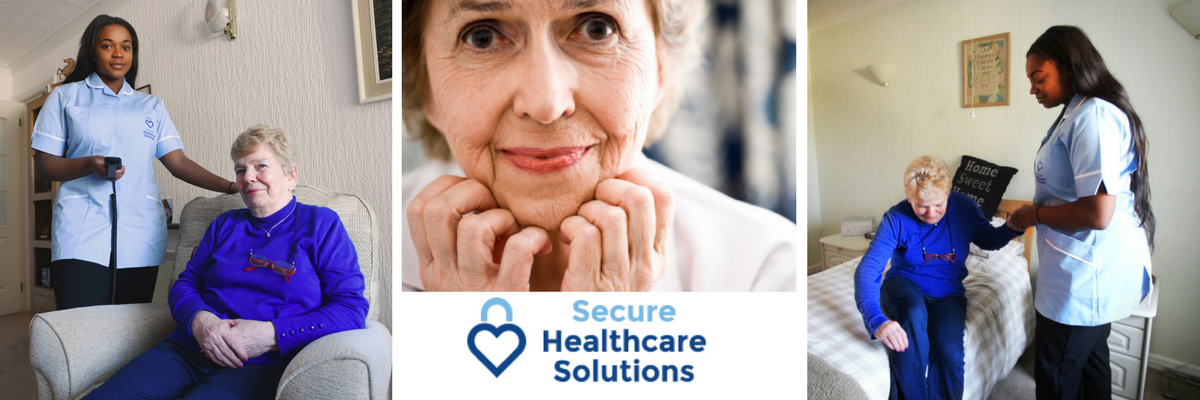
Secure Healthcare Solutions is the complete one stop solution for all healthcare staffing needs from Care Homes, Nursing Homes, NHS, Private Hospitals and Community Services.
We are one of the UK’s principal recruitment companies for placing nurses and healthcare professionals on a permanent and ad-hoc agency basis into NHS & Private Hospitals In both Manchester and Birmingham. The scope of our remit extends to all levels of candidates across all areas including Surgical and Medical wards, Theatres, Critical Care, Oncology, Paediatrics, Outpatients, Radiography/imaging, Radiology, Fertility, Midwifery and Clinical Practice development.
Secure Healthcare can ensure General and Specialist Nurses are placed in a setting that meets their skills, wants and desires on a temporary or permanent basis.
Registered General Nurses
Registered Mental Health Nurses
Registered Learning Disability Nurses
Advanced Nurse Practitioner
Practice Nurse
Pediatric Nurse
Complex Care Nurse
Theatre Nurse
A&E Nurse
Dialysis Nurse
Palliative Care Nurses
School Nurses
Prison Nurses
Respiratory Nurses
Community Nurses
Secure Healthcare Solutions is a trusted provider to many of the UK’s largest nursing/residential home groups. We have a great regional presence and provide a variety of roles including Care Staff, Nursing Staff, Unit Managers, Home Managers, Regional Managers and Executive Placements. Our nursing/residential homes division boasts experienced and knowledgeable recruitment consultants who understand the sector and supply staff on a permanent, contract, and an ad-hoc agency basis to an impressive portfolio of clients.
Our Community Care division work with a number of health organisations to provide Care Support Workers within the community. These include hospitals and primary care trusts, local authorities, GPs, charities, case-management companies and voluntary organisations. Secure Healthcare support community care in partnership with hospital teams – continuing care, intermediate care and discharge teams – as we provide experienced nurses, support workers and allied health professionals on an ad hoc and long term basis. SHS fully understand the importance of the role nurses and health visitors have in preventing illness, caring, health promotion and providing teaching to patients and family members.
Call us or write to us now, however you feel comfortable and we will to get back to you within 24 hours. Alternatively, if you have any questions or queries about our services, or are interested in any healthcare service we provide, please give us a call on 0121 285 9449
When faced with illness or immobility, it can be a struggle to carry out everyday activities that you may have once performed with ease. Our discreet personal care service is designed to support you with your day-to-day living, as well as providing you with the encouragement and emotional support that you may need to remain living independently. Our personal care service can assist you with personal hygiene needs ( washing, dressing, continence care) administering medication, at a time to suit your convenience. Maintaining your dignity is of paramount importance to us, which is why our Carers will ensure you feel comfortable at all times.
Treating your family members in Brewood like our own
With Secure Healthcare Brewood as your home care service provider, you will enjoy personalised service built around your needs. Secure Healthcare pride ourselves on treating people with the same care, kindness and dignity that we would expect our loved ones to be treated.
We pride ourselves on ensuring persons needing support are Safe, our care treatment and support helps you to maintain quality of life based on best available evidence, our staff involve and treat you with compassion, kindness, dignity and respect. We ensure our services are responsive to your needs and our management ensure high quality care is provided based on an individuals needs.
If you wish to learn more about how we can support you, please contact us and let one of our advisers come to see you and your family for a more detailed plan on how we can support you.
What sets us apart in the home care industry?
Living independently at home is something most of us would like to do for as long as possible. When that time comes to make the decision to ask for extra support to continue to live independently as much as possible, our home care services are tailored for exactly that.
Our trained caring friendly staff have your Dignity and respect at the forefront of delivering personalised care in the comfort of your own home. When providing home care for yourself or a family member or friend, we take the time to get to know you and make sure you are continually happy with the care you received and the staff that support you.
Home care can be arranged on an hourly, daily, weekly basis or a much longer plan to suit your needs. We provides in-home care and support services to people so they can live as independently as possible in their own homes and communities. We support people to live life the way they choose.
The best person to know what support you need to remain as independent as possible in your own home is you. That is why everything we do is designed around your needs and goals. These can be relatively simple like help with shopping through to high dependency 24 hour care.
Housekeeping
Personal care
Companionship
Support with information and advice
Housing support
High dependency care
Live-in care
Respite care
Medication management
Hospital to Home service
Complex and specialist care
Do you need a trustworthy carer (HCA) in Dudley? Let us help you get the care you need for the life you want.
We will always be there for you
Secure Healthcare Solutions will find for you an experienced candidate that will suit all your needs. Call us on 01902 302017 or write us to homecare@securehealthcaresolutions.co.uk
There are more than one million people in the traditional care system. They live full-time in care homes and nursing homes. Some pay for their care, others receive help from their local authority. But there are other options to these more traditional forms of care.
Moving in with a carer
In recent years, councils have become increasingly involved in shared-lives schemes – paying individuals to provide care, including personal care, in their own home. Providers are regulated and used to provide short breaks for family carers as well as full-time arrangements. More than 13,000 people benefit from shared lives, including those with learning disabilities and mental health problems as well as older people. Of the 150 schemes in the country, two-thirds are run by councils, with the rest provided by the voluntary sector.
Home share and befriending
The price of property has prompted growing interest in home-share arrangements – someone who can provide help moving in with an older person who has space free in their house. The carer provides only basic support such as shopping, cleaning or gardening, not personal care, in return for accommodation that is free or for a small rent. There are now about 20 home-share schemes in the UK, helping several hundred older people.
Another popular idea in a similar vein – older people are linked up, usually by a charity, with a volunteer who provides companionship and some low-level support, such as shopping and trips out.
Home Care or Care at Home
Living independently at home is something most of us would like to do for as long as possible. When that time comes to make the decision to ask for extra support to continue to live independently as much as possible, our home care services are tailored for exactly that. Home care can be arranged on an hourly, daily, weekly basis or a much longer plan to suit your needs.
Home care supports activities of daily living . At home care services allow adults to receive day-to-day help with the personal care they need, preserving their dignity and maintaining a good quality of life. Assistance with activities of daily living can include bathing, grooming, and medication reminders
Costs aside, one-to-one home care offers a number of substantial benefits over residential nursing home care, both for the care recipient and for their family. One-to-one home care provides innumerable benefits, including: The maintenance of your independence and freedom to live life as you choose.
Retirement villages
Unlike in a care home, retirement-village residents usually buy an apartment on the site, although in some schemes they can part-buy or even rent the property. Residents bring their own furniture, decorate as they wish, and are free to have friends and family come to stay. Most villages allow pets to come too. They can also pay for care and support services, which are on-site, as and when they need them.
The properties have been designed to keep the individual living independently as long as possible and so can be kitted out with alarms, fall sensors and easily accessible showers. Such complexes are popular in Australia, New Zealand and South Africa, but have yet to completely take off in the UK. There are fewer than 30,000 units in the UK – Australia has six times more – with the highest concentration in the affluent South East.
Sheltered housing
There are many different types of sheltered-housing schemes. Some will have a warden, living on or off the premises, and all provide 24-hour emergency help through an alarm system. Rented accommodation is usually self-contained, but there are often communal areas, such as the lounge, laundry room and garden.
Many schemes run social events for residents. For those needing more support, extra-care sheltered housing may be available where residents can have personal care and meals provided. Most schemes are run by councils or housing associations, and there are often waiting lists for places.
Adapt your home
Equipment can be provided by councils or brought privately to make it easier for older people to live in their house for longer.Traditional aids such as stair lifts and grab rails are still popular, but technology has opened up a whole host of other options, from flood detectors to sensors that raise the alarm when the individual does not move around their property normally.
Councils and the NHS are also investing in ” telehealth ” and ” telecare ” technology, including devices to remind people to take medication and ways for carers and health staff to remotely monitor things such as blood pressure.
Relying on family and friends
By far the most popular option is family and friends. An estimated 1.5 million older people rely on them for their care needs.The care provided can be pretty substantial. A third of carers provide more than 100 hours a week of care, with many of the carers older people themselves. Sometimes this is supplemented by formal help from councils, but surveys suggest that is decreasing.
However, the pressure is having an impact on the health and wellbeing of those providing the care. Six in 10 older carers who provide 50 or more hours of care a week say their health is not good.
If you wish to learn more about how we can support you, please contact us and let one of our advisers come to see you and your family for a more detailed plan on how we can support you.
Sandwell and West Birmingham Hospitals NHS Trust, which also runs City Hospital in Birmingham and Rowley Regis Hospital, has been given a requires improvement rating from the Care Quality Commission.
England’s Chief Inspector of Hospitals has rated the services provided by Sandwell and West Birmingham Hospitals NHS Trust as Requires Improvement following an inspection by the Care Quality Commission.
This inspection included the following core services; emergency department, medical services, surgery services, end of life care services, outpatient and diagnostic imaging services and the Birmingham Midland Eye Centre. Further unannounced inspections were carried out on 6, 11, 12 and 13 April 2017.
CQC has rated the trust as Requires Improvement overall. It was rated as Outstanding for being caring, Good for being well-led and Requires Improvement for being safe, effective, responsive. The trust’s previous rating was Requires Improvement.
Inspectors found that many services had improved since our 2015 inspection with End of Life Care being rated as Outstanding at both hospitals and in the community service; however, community inpatients was rated as inadequate.
CQC’s Chief Inspector of Hospitals, Professor Ted Baker, said:
“Although some improvements had been noted since our previous from October 2014, the trust had not made all the necessary changes to alter their rating.”
“Staff in the outpatients department did not have their competencies assessed to ensure they were confident and competent to carry out their role. The trust did not always ensure there was enough staffing or appropriate skill mix.”
“CQC rated the community inpatient services as inadequate because of lack of mental health capacity assessments, poor care planning and inconsistent assessment of risk.”
“Paediatric Ophthalmology services were delivered in a service that was not focused on the needs of children.”
“Despite these concerns, we found a number of areas of outstanding and good practice across Sandwell and West Birmingham Hospitals NHS Trust. “Staff must be particularly commended for their caring approach and we rated this area as Outstanding overall. We also rated end of life services and community health services for children and young people as Outstanding.”
“Patients and family members said that the care was not only excellent but that staff always went that extra mile. We observed interactions across the trust and spoke to numerous patients and relatives whom said they were treated well and kept up to date and well informed about their treatment.”
“The trust leadership knows what it needs to do to bring about improvement in the areas identified and our inspectors will return at a later date to check on what progress has been made.”
The CQC has told the trust it must take action in several areas, including:
Patients in the emergency department must receive treatment within one hour of arriving in line with the Royal College of Emergency Medicine (RCEM) recommendation.
Medical care services must ensure temporary staff being used are competent to fulfil the role.
Records of care and treatment in surgery provided to patients are accurate and complete.
The trust must ensure doctors use the appropriate proforma in place for effective clinical pathways.
The trust must improve local governance and ensure risks to the service are escalated, recorded, actioned and reviewed in a timely manner.
Inspectors saw several areas of outstanding practice, including:
The palliative and end of life care service ensured that patients and their families were involved in their care and their choices and preferences were upheld, including where they would prefer to be for their care and when they died.
Staff showed great compassion, empathy and an understanding of patient’s needs and preferences.
Newton 4 ward at Sandwell displayed a high-level person centred care approach. A number of innovative practices were developed on this ward, which included the breakfast therapy club to aid with patient rehabilitation, rewarded by the Stroke Association.
The palliative and end of life care service integrated coordination hub acted as one single point of access for patients and health professionals to coordinate end of life services for patients.
Full reports for the trust are available on the cqc website.
The main role of a Care Worker is to provide support to a person in need of care, improving their lives by attending to their specific needs, and assisting them with their daily tasks.
Care Workers may find themselves working with children, the elderly, and people with disabilities or learning difficulties. However, key duties will usually include:
Working with clients, their families and other professionals to identify their particular needs, and develop a care plan
Providing personal care to clients depending on these needs (assisting them with washing/feeding/dressing etc.)
Aiding a client with other every day or physical tasks, such as shopping, cooking or studying
Providing emotional support to clients and their families
Keeping the client comfortable and at ease at all times
What training do I need to be a carer?
With so many vulnerable people in society, from young children to disabled adults, carers play such an important role in many families around the UK. Although being a caring is a lot of hard work and dedication, it is immensely rewarding. So, if you’re looking to become a carer, whether you’re leaving school or looking for a change, you’ll need training and hopefully, the article will help you make the right decisions before you set off on your exciting new journey.
Is a career in caring right for me?
With many different sectors within social care to choose from and the prospect of helping people of all ages and abilities, caring can sound very appealing. However, the truth is that caring is not for everyone and before even considering training you need to ask yourself if caring is the right job for you. If you’re not sure, the best option is to try voluntary work. There are plenty of websites to help you with this, such as the NCVO and Do-It websites. Your local library could be worth visiting too. Aside from that, it gives you plenty of experience and a taste of what it’s like. Of course, you’ll have to be CRB (Criminal Records Bureau) checked first.
Training Opportunities for Social Care Work
Perhaps you’re absolutely certain that a career in caring is for you. Let’s take a look at the training you’ll need to become a carer. Having a working knowledge of the social welfare system is key but many social care jobs don’t require you to have a formal qualification in this subject. Reading up on the topic is a good idea but in most cases, you’ll pick it up on the job.
Jobs will often give you the opportunity to undergo courses whilst you work allowing you attend college or university on day release. There are part-time foundation and induction course available as well as none-exam-based National Vocational Qualifications (NVQs) that cover subjects like Care and Management or Health and Social Care. Degrees are available for high-level qualifications too.
The Care Certificate
Whilst formal qualifications are not essential, one thing that you are required to undertake is the Care Certificate. This is a set of standards that you must adhere to if you are to be a social care worker. These requirements are set out by Skills for Care and Health Education England. We offer a five-day Care Certificate training course which covers all 15 standards of the care certificate.
Certification
As mentioned before, formal qualifications are not essential in becoming a carer, however, they do help with job prospects and future progression. They also help you to carry out your role more efficiently and provide higher quality care. Here at Caring for Care, we offer a wide range of care courses that help you meet CQC standards. These include:
Anaemia Awareness
Autism Awareness
Basic Life Support
Breakaway Training
Catheter Care Training
Dementia Awareness
Diabetes Awareness
Dignity In Care
Effective Communication
Effective Record Keeping Training
Epilepsy Awareness
Epilepsy Medication Training
Equality & Diversity Awareness
Fire Safety Awareness
Infection Control Level 1
Learning Disability Awareness
Managing Challenging Behaviour Training
Nutrition & Hydration Awareness
Pressure Sore Prevention Training
Risk Assessment
Safeguarding Vulnerable Adults
Safeguarding Vulnerable Children
Safer Handling of Medication
Safer People Moving & Handling 1 Day
Safer People Moving & Handling 2 Day
Safer People Moving & Handling Refresher
Stroke Awareness
Some Hospitals, Trusts, Nursing agencies and Domiciliary care organisations insist on Mandatory training that is aligned with the Skills for Care programme. Some Hospitals and organisations require PRICE and MAPPA Training. We also deliver this. Secure Healthcare Training can train other Agency staff, individual candidates or clients with a group demand.
We can provide the premises and full training or we can provide just the trainers where appropriate. We really are flexible to support our users as much as possible. We know training and the seriousness of it needing to be done correctly and ensure you the user have the necessary knowledge to undertake your role competently.
We don’t just support healthcare establishments and individuals, we can support any business with Mandatory training such as First Aid, Manual Handling and Fire Safety. Please call us for more information.
References
Secure Training Services – http://www.securetrainingservices.co.uk/care-certificate-training/
When faced with illness or immobility, it can be a struggle to carry out everyday activities that you may have once performed with ease. Our discreet personal care service is designed to support you with your day-to-day living, as well as providing you with the encouragement and emotional support that you may need to remain living independently. Our personal care service can assist you with personal hygiene needs ( washing, dressing, continence care) administering medication, at a time to suit your convenience. Maintaining your dignity is of paramount importance to us, which is why our Carers will ensure you feel comfortable at all times.
Treating your family members in Stourbridge like our own
With Secure Healthcare Stourbridge as your home care service provider, you will enjoy personalised service built around your needs. Secure Healthcare pride ourselves on treating people with the same care, kindness and dignity that we would expect our loved ones to be treated.
We pride ourselves on ensuring persons needing support are Safe, our care treatment and support helps you to maintain quality of life based on best available evidence, our staff involve and treat you with compassion, kindness, dignity and respect. We ensure our services are responsive to your needs and our management ensure high quality care is provided based on an individuals needs.
If you wish to learn more about how we can support you, please contact us and let one of our advisers come to see you and your family for a more detailed plan on how we can support you.
What Tasks to Expect from our carers and Nurses ?
All our staff can help with personal care (assistance with washing, dressing and toileting), mobility and home management. The UK’s Nursing & Midwifery Council recommends that a qualified Nurse is booked for:
More advanced medical conditions
Management of equipment, e.g. catheters, hoists
Administering (rather than prompting) medication
Wound care, e.g. pressure sores
Professional liaison with local healthcare professionals
Secure Healthcare care can:
Professionally assess your needs
Identify any risk to client or staff (e.g. from manual handling tasks)
Work with your local GP and District Nurse, if appropriate
Create (with your full input) a detailed Care Plan.
What sets us apart in the home care industry?
Living independently at home is something most of us would like to do for as long as possible. When that time comes to make the decision to ask for extra support to continue to live independently as much as possible, our home care services are tailored for exactly that.
Our trained caring friendly staff have your Dignity and respect at the forefront of delivering personalised care in the comfort of your own home. When providing home care for yourself or a family member or friend, we take the time to get to know you and make sure you are continually happy with the care you received and the staff that support you.
Home care can be arranged on an hourly, daily, weekly basis or a much longer plan to suit your needs. We provides in-home care and support services to people so they can live as independently as possible in their own homes and communities. We support people to live life the way they choose.
The best person to know what support you need to remain as independent as possible in your own home is you. That is why everything we do is designed around your needs and goals. These can be relatively simple like help with shopping through to high dependency 24 hour care.
Housekeeping
Personal care
Companionship
Support with information and advice
Housing support
High dependency care
Live-in care
Respite care
Medication management
Hospital to Home service
Complex and specialist care
Do you need a trustworthy carer (HCA) in Stourbridge? Let us help you get the care you need for the life you want.
We will always be there for you
Secure Healthcare Solutions will find for you an experienced candidate that will suit all your needs. Call us on 01902 302017 or write us to homecare@securehealthcaresolutions.co.uk
When faced with illness or immobility, it can be a struggle to carry out everyday activities that you may have once performed with ease. Our discreet personal care service is designed to support you with your day-to-day living, as well as providing you with the encouragement and emotional support that you may need to remain living independently. Our personal care service can assist you with personal hygiene needs ( washing, dressing, continence care) administering medication, at a time to suit your convenience. Maintaining your dignity is of paramount importance to us, which is why our Carers will ensure you feel comfortable at all times.
Treating your family members in Dudley like our own
With Secure Healthcare Dudley as your home care service provider, you will enjoy personalised service built around your needs. Secure Healthcare pride ourselves on treating people with the same care, kindness and dignity that we would expect our loved ones to be treated.
We pride ourselves on ensuring persons needing support are Safe, our care treatment and support helps you to maintain quality of life based on best available evidence, our staff involve and treat you with compassion, kindness, dignity and respect. We ensure our services are responsive to your needs and our management ensure high quality care is provided based on an individuals needs.
If you wish to learn more about how we can support you, please contact us and let one of our advisers come to see you and your family for a more detailed plan on how we can support you.
What sets us apart in the home care industry?
Living independently at home is something most of us would like to do for as long as possible. When that time comes to make the decision to ask for extra support to continue to live independently as much as possible, our home care services are tailored for exactly that.
Our trained caring friendly staff have your Dignity and respect at the forefront of delivering personalised care in the comfort of your own home. When providing home care for yourself or a family member or friend, we take the time to get to know you and make sure you are continually happy with the care you received and the staff that support you.
Home care can be arranged on an hourly, daily, weekly basis or a much longer plan to suit your needs. We provides in-home care and support services to people so they can live as independently as possible in their own homes and communities. We support people to live life the way they choose.
The best person to know what support you need to remain as independent as possible in your own home is you. That is why everything we do is designed around your needs and goals. These can be relatively simple like help with shopping through to high dependency 24 hour care.
Housekeeping
Personal care
Companionship
Support with information and advice
Housing support
High dependency care
Live-in care
Respite care
Medication management
Hospital to Home service
Complex and specialist care
Do you need a trustworthy carer (HCA) in Dudley? Let us help you get the care you need for the life you want.
We will always be there for you
Secure Healthcare Solutions will find for you an experienced candidate that will suit all your needs. Call us on 01902 302017 or write us to homecare@securehealthcaresolutions.co.uk
It is an exciting time to be part of the uk healthcare industry, and it is an especially exciting time to announce our growth plans expending our care and nursing services to cover London – We are a specialist in establishment healthcare staffing solutions. We are actively recruiting and supplying front line staff to our partners from Care Homes and Nursing Homes to NHS, Private Hospitals and Community Services.
Secure healthcare solutions today is driven by three priorities: accelerating the pace of progress on our homecare and nursing services delivering product excellence with passion and integrity; and driving innovation in every part of our business.
Our relationship with private healthcare providers and NHS means that we can offer a wider variety of settings to our candidates. Not only HCA or general Nurses jobs but also specialist roles such as ITU nursing, Theatre, ODP/ODA, RSCN and paediatric on a temporary and permanent basis.
We work with clients in their own homes providing personalised service built around their needs. We Provide tailored and the highest possible standard of Care and Support for Children , Adult and Older People, with Mental Health Problems, with Learning Disabilities, with spinal and acquired brain injury and clients with physical and sensory impairments.
If you are an organisation that needs a temporary or permanent solution in the Healthcare sector, Secure Healthcare Solutions can help. Our Ethos is to ensure good old fashioned values, over and above the basic training spreads across our entire workforce ensuring a pleasant top quality service to our clients and their service users. With a modern twist of Technology to ensure patient care is delivered to the maximum effect while reducing the cost of care and increasing the pay to our staff we are committed in helping the ageing population while protecting the workforce who makes it all possible.
Secure Healthcare Solutions works to ensure all our care staff is properly trained to the highest standard possible which is why we provide all our care workers with FREE TRAINING
Rewarding the best; in a rewarding career – We care about and support all our employees. To attract the best nurses and carers , our pay rates are amongst the highest in the healthcare industry. An honest promise to aim and be one of the best nursing and homecare agencies in London.
As we are one of the fastest growing nursing and care agencies in England – There has never been a better time to work with us. We offer a full “out of hours” on call service. We are always there to support in your hour of need, meaning there is always an adviser on the end of the phone!
Our advisers have great relationships with a huge number of healthcare providers in all London. So whether you’re looking for nurse jobs just round the corner from where you live, a tailored homecare plan to your loved ones or need urgent staffing solution for your organisation – Rest assured you will be always in safe hands. We pride ourselves on ensuring our clients receive the best support possible. Both our carers and nurses provide a maximum level of care that is full with compassion, kindness, dignity and respect. We ensure our services are responsive to your needs and our management ensure high quality care is provided based on individuals need.
Call us or write to us now, however you feel comfortable and we will to get back to you within 24 hours. Alternatively, if you have any questions or queries about out service, or are interested in any healthcare service we provide, please give us a call:
Secure Healthcare Solutions London is the complete one stop solution for all healthcare staffing needs from Care Homes, Nursing Homes, NHS, Private Hospitals and Community Services.
A BBC Panorama investigation found private hospitals are not reporting enough data on patient outcomes. Patients may be being put at risk by the failure of private hospitals to report serious incidents, the Royal College of Surgeons (RCS) has warned.
This means the private sector “cannot be as robust or as safe as the NHS”, RCS president Derek Alderson said.
The government says new guidelines will lead to tougher enforcement action against failing clinics.
The concerns, raised by the RCS, are focused on reporting serious incidents and so-called “never events” – extreme mistakes that should never happen.
These are not reported to national databases in a consistent way or at all, the RCS said.
It also warned that clinical audit data is lacking from the private sector, such as not submitting datasets on the outcomes of cancer surgery, despite undertaking many cancer procedures.
‘Not good enough’
Mr Alderson said: “We don’t know exactly what’s going on in the private sector.
“It cannot be as robust or as safe as the NHS at the moment for the simple reason that you do not have complete reporting of all patients who are treated.
“It’s not good enough. Things have to change,” he said.
The RCS also points to gaps in reporting on cosmetic surgery, where there is no dataset on the total number of operations.
Much of the private healthcare industry accepts there is a problem with data and transparency.
Brian O’Connor, of the Independent Doctors Federation, said: “It’s up to private hospitals to raise their game and to show the data and the excellence of care, because there is nothing for them to hide.”
Mr O’Connor, whose organisation represents 1,200 private doctors, added: “Those private hospitals which don’t have the data and are not transparent should be closed or not be allowed to conduct complex medical procedures.”
Although he was found to have harmed patients in the NHS, more than 700 people were harmed by him in private hospitals, including Beryl Parkes.
Paterson removed one of her breasts and she needed further operations to rectnify his mistakes.
Ms Parkes said: “You believe a doctor, don’t you? They take oaths for people to do their best for them.”
But nobody was supervising Paterson.
And when Ms Parkes’s treatment was eventually reviewed, it turned out she should not have had any operations – because she did not have cancer in the first place.
“He should have got life,” she said. “And I think that’s too good for him, because it must have been basically all over money.”
Paterson’s supervisors at Spire Healthcare were criticised for failing to manage their high-earning surgeon.
The company told the BBC it is “truly sorry for the distress experienced by patients”.
Panorama also learned that some patients are unable to get compensation if they are harmed by a private surgeon.
The hospital might refuse to accept liability because the surgeon is an independent contractor with “practising privileges”.
Lawyer Suzanne White said: “Any patient that goes through a private hospital will assume that they will be covered, and they are simply not. That is astonishing.”
Patients may not be able to get compensation from the surgeon’s insurance company either, because if the insurer decides that the surgeon has broken the rules, they can refuse to cover them.
‘Totally reprehensible’
It is a rare gap in the system, but disastrous for patients.
Mr O’Connor responded: “To say a patient who has had wrong done to them is not going to get proper compensation is totally reprehensible.”
He wants the government and private health organisations to ensure patients are compensated properly.
Panorama has discovered a case where a patient who had been harmed was unable to get compensation from the private hospital or the surgeon responsible.
He successfully sued the NHS instead, because his first consultation was in an NHS hospital.
Even the lawyer who won the case thinks it was wrong that the NHS was forced to pay up.
Suzanne White said: “I feel entirely uncomfortable about it and very cross, because I see it quite often.
“Why is it that a private hospital that has a doctor who has given negligent care – and profited – does not compensate those patients?
“Why is it the NHS has to foot the bill?”
Last year, more than 500,000 NHS patients were referred to private hospitals.
But the fastest growing area in the sector is self-pay, where people without insurance fund their own treatment to the tune of almost £900m annually.
Together, NHS referrals and self-pay patients make up nearly half the private health sector’s business.
‘Tougher enforcement’
The Association of Independent Healthcare Organisations said there is strong evidence that the independent sector is safe and patient safety is as much of a priority as it is for the NHS.
It said the Care Quality Commission has rated nearly 60% of private hospitals as either good or outstanding for safety.
The Department of Health said new standards have already set out clearer requirements for the delivery of safe care.
It said tougher enforcement action will be enabled against failing providers.
Cosmetic surgery clinics will now be rated by the CQC, and private hospitals must ensure ratings are displayed both within premises and online.
Nursing begins with a period of preceptor-ship, which is a transition phase designed to help newly registered nurses to further develop their practice. It covers fundamental competencies in patient care as well as broad skills in leadership, management, teaching and communication. A career as an adult nurse will suit you if you have a caring, practical nature and enjoy improving the quality of life of others around you
Adult nurses care for adult patients who are suffering from a variety of health conditions, ranging from minor injuries and ailments, to acute and long-term illnesses and diseases. They support recovery by using care plans, carrying out care procedures and assessments, and evaluating and focusing on the needs of the patient rather than the illness or condition.
Nurses usually work within a multidisciplinary team but are the main point of contact for patients, often providing the most continuity of care. They will have contact with the patients’ families, particularly in cases of chronic illness where the patient may be returning regularly for treatment.
After successfully completing this, you can begin to progress through various different roles, including:
senior staff nurse
junior sister
ward sister
nurse practitioner
nurse consultant.
All nurses have management roles, but some career paths are more management-orientated than others. As you become more senior, you may have less hands-on nursing responsibility.
Progression to roles such as ward sister, ward manager and team leader depends on the development of management skills and level of specialist knowledge. You may then progress either within a clinical specialism up to posts such as nurse consultant, or through further managerial responsibility as a matron and then up the executive ladder to a director of nursing post.
For more information on possible career pathways see the NHS Careers in nursing resource.
There are many specialist branches of adult nursing, and you can choose to undertake further training in order to specialise in an area of interest. Popular roles include:
Cookies are small text files that can be used by websites to make a user's experience more efficient. The law states that we can store cookies on your device if they are strictly necessary for the operation of this site. For all other types of cookies we need your permission. This site uses different types of cookies. Some cookies are placed by third party services that appear on our pages.
Necessary cookies help make a website usable by enabling basic functions like page navigation and access to secure areas of the website. The website cannot function properly without these cookies.
Marketing cookies are used to track visitors across websites. The intention is to display ads that are relevant and engaging for the individual user and thereby more valuable for publishers and third party advertisers.
Preference cookies enable a website to remember information that changes the way the website behaves or looks, like your preferred language or the region that you are in.